
Reviewed · IJEN CRATER TOURS
Mount Ijen Crater Trekking Tour from Bali
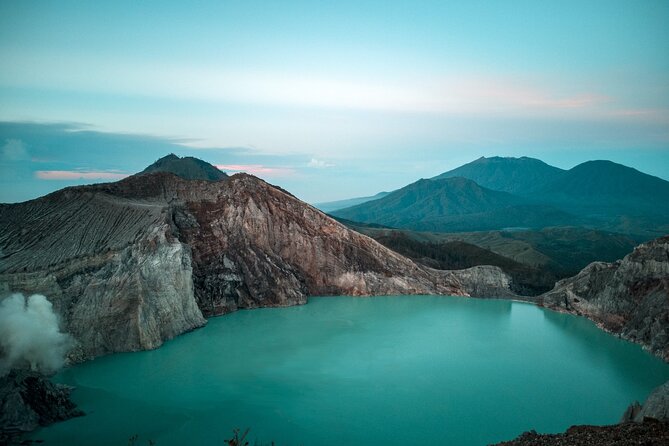
Ijen shows its fire before sunrise. This overnight trip from Bali gives you blue flames, sulphur miners, and Java’s largest acid lake in one demanding outing. I like the small group limit of 10, which should make the trek easier to manage, and I like that transport, guides, a light breakfast, and lunch are included. The drawback is the long travel time and hard overnight climb, so this is not a casual day trip.
The journey begins around 5:00 pm with hotel pickup in South Bali, then continues by ferry and road to the trailhead. I also like the chance to see miners carrying 60 to 80 kilograms of sulphur by bamboo baskets, but you need strong fitness, warm clothing, and a tolerance for very little sleep.
In This Review
- Key points to know before booking
- Why Mount Ijen makes such a demanding trip worthwhile
- The 5:00 pm pickup and the long road east
- Reaching the trailhead around midnight
- Meeting the sulphur miners on the mountain
- Waiting for Ijen’s blue fire before dawn
- Breakfast, the crater viewpoint, and the return path
- Returning by ferry, then eating lunch
- Is $153.85 a fair price from Bali?
- Health rules, age limits, and practical preparation
- Who should book this Ijen tour?
- FAQ
- How long does the Mount Ijen tour take?
- Where does hotel pickup operate?
- How far is the Mount Ijen trek?
- Is the blue fire guaranteed?
- What equipment is provided?
- Are meals included?
- Can children join the tour?
- Is Mount Ijen closed on certain days?
- What happens if bad weather cancels the tour?
Key points to know before booking
- The blue fire is weather-dependent: You may see Ijen’s famous blue flames, but no tour can promise the conditions will cooperate.
- It is a 23-hour outing: Expect late-afternoon pickup, a midnight arrival in East Java, a predawn trek, and afternoon return to Bali.
- The climb is about 3 kilometers: The route takes roughly one to two hours and includes uphill sections, flat ground, and difficult conditions near the crater.
- Sulphur mining is part of the experience: You can meet miners carrying blocks weighing 60 to 80 kilograms using bamboo pole baskets.
- The group is capped at 10 people: This supports closer attention from the local trekking guide without making the trip private.
- Fitness rules are serious: The tour is not recommended for children under 16, older people, or anyone with heart, asthma, or other serious medical problems.
Why Mount Ijen makes such a demanding trip worthwhile
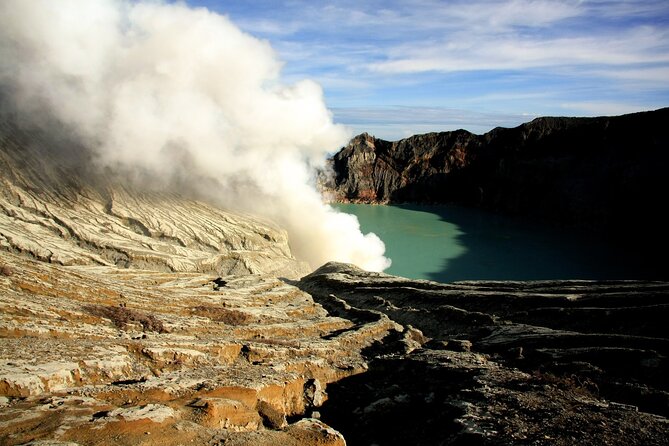
Mount Ijen is not simply a viewpoint reached by an easy road. Its appeal comes from the strange combination of fire, toxic volcanic gases, hard manual work, and a huge acid lake seen from high above. You leave Bali’s beach towns and spend the night crossing to East Java for a very different side of Indonesia.
The blue fire is the headline attraction. In darkness, sulphur gas can burn with a blue glow, creating the unusual sight that draws people up the mountain before dawn. It is not guaranteed, since weather conditions affect visibility, but the trip still has value if the flames cannot be seen. The crater, mining activity, and sunrise views remain important parts of the outing.
I also appreciate that the tour does not treat the mountain as just a photo stop. You are introduced to local sulphur miners and see traditional extraction methods using iron rods. These workers carry heavy yellow blocks down the mountain, often with little protective equipment. It is a powerful reminder that this is a working volcano, not a theme park attraction.
That reality also calls for respect. Watch your footing, follow the guide, wear the supplied mask when instructed, and avoid treating the miners as scenery. A good photograph is fine, but the human side of Ijen deserves more than a quick snapshot.
More Ijen crater trips:
- Mount Ijen Blue Flame Tour from Bali
★ 5.0 · 79 reviews - Ijen Crater Tour From Bali 1 Day
★ 4.5 · 11 reviews - 3Days – Tumpaksewu Bromo Ijen Adventure via Malang or Surabaya
★ 5.0 · 405 reviews
The 5:00 pm pickup and the long road east
Pickup is offered from selected hotels in Kuta, Legian, Seminyak, Jimbaran, and Nusa Dua. The listed start time is 5:00 pm, but your exact pickup time is confirmed later. Give yourself enough time to eat something before leaving, because dinner is not included.
The first part of the trip takes you to Gilimanuk Harbor in western Bali. From there, you cross by ferry to East Java. The ferry crossing is an important part of the route, but it also explains why this tour takes close to 23 hours. You are not just driving to a nearby trailhead. You are making a night crossing between islands, then continuing by road to the mountain.
The transport is handled by a driver who accompanies you from Bali to Banyuwangi in East Java. This is useful because the trip involves several stages, especially when you are tired. Still, expect waiting and group coordination. At least one account of the trip included an unplanned wait in a house or building while other participants arrived so the group could leave together.
That kind of delay is worth preparing for. Bring water, a light snack, and something to occupy you during pauses. The small group limit helps, but it does not turn a cross-island overnight transfer into a fast private journey.
Reaching the trailhead around midnight
You reach the starting point in East Java around midnight and begin preparing for the climb. The local guide gives a safety briefing and provides a flashlight and gas mask. These supplies matter, since the trek begins in darkness and the air near the crater can contain irritating volcanic gases.
The route is about 3 kilometers, or roughly 1 mile, to the summit. It takes around one to two hours, depending on pace and conditions. The path includes uphill and flatter sections, but do not mistake the stated distance for an easy walk. The timing, lack of sleep, cold air, and steep ground make this a serious physical effort.
The tour asks for a strong fitness level, and that is not a box-ticking detail. One direct account described both the ascent and descent as challenging, with especially difficult conditions around the crater. You should be comfortable with sustained uphill walking and uneven ground before signing up.
Wear long pants, sports shoes or proper hiking shoes, a sweater or warm jumper, gloves, and a hat. I would treat hiking shoes as essential rather than optional. Mount Ijen can feel cold before sunrise, and your hands may become uncomfortable while holding a flashlight or steadying yourself.
The tour also recommends exercise or physical activity the day before. That advice is sensible, but do not try to cram in a hard workout immediately before the trip. The better preparation is arriving rested, well hydrated, and honest about your current fitness.
Meeting the sulphur miners on the mountain
One of the most striking parts of this outing is seeing the miners at work. The tour introduces you to people who carry blocks of yellow sulphur weighing about 60 to 80 kilograms in baskets suspended from bamboo poles across their shoulders.
You may also see the sulphur being broken out by traditional methods with iron rods. The work is physically punishing, and the information provided notes that miners operate without modern safety equipment. That detail changes how you view the mountain. The same gases and steep trails that challenge a fit visitor are part of an everyday job for these workers.
Your guide can help you understand what you are seeing, but the experience is not presented as a formal museum visit. Conditions are dark, the group is moving, and the encounter takes place during a working shift. Keep your belongings secure, stay with the guide, and ask before taking close photographs.
This is also where the local guide adds real value. The driver handles the long route from Bali, while a local trekking guide leads you on Mount Ijen. The guiding quality can vary. One assessment called the driver very courteous but found the tour guide only average, while another praised the staff for being friendly and careful about safety. I would book this for the mountain itself first, then treat the guiding as an important support rather than the main attraction.
More treks in Kuta:
- Mount Batur Sunrise Trekking Private Tour with Breakfast and Hotel Transfer
★ 5.0 · 885 reviews - Private Tour Mount Batur Sunrise Trekking and Natural Hot Spring
★ 5.0 · 431 reviews - Mount Batur Sunrise Trekking Open Trip All-Inclusive
★ 4.5 · 63 reviews - Mount Batur Volcano – Sunrise Trekking with White Water Rafting
★ 5.0 · 52 reviews
Waiting for Ijen’s blue fire before dawn
At the summit, you wait in darkness for a chance to see the blue fire. The phenomenon depends on weather conditions, so you should not view it as a guarantee. Smoke, wind, and visibility can affect what you see.
The timing is part of the challenge. You climb overnight, arrive before dawn, and then wait in cold conditions after exertion. A warm layer, hat, and gloves will make a real difference. The supplied flashlight helps on the path, and the gas mask is an important safety item near volcanic gases.
Follow instructions closely here. The posted mountain rules require sportswear, hiking shoes, a mask, jacket, gloves, and personal medicine. You must stay within the permitted area, with the stated rule limiting access to a maximum of 500 meters from the crater. Do not throw rubbish or seeds, smoke, or build a fire.
The blue glow is unusual enough to justify the effort for many people, but your expectations should stay flexible. If clouds or other weather conditions block it, the outing does not become worthless. The crater views later in the morning are a separate reward, and the mining activity gives the trek a human focus.
Breakfast, the crater viewpoint, and the return path
After the predawn section, you receive a light breakfast on the mountain. Do not expect a large meal after an overnight climb. It is better understood as a practical refuelling stop before the next part of the morning.
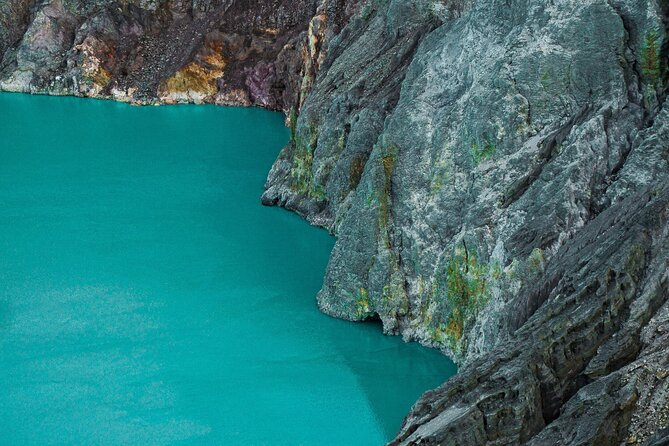
You are then guided back down and taken to a viewpoint for views into Ijen Crater. The crater contains Java’s largest acid lake, and the sight from above gives you a better sense of the volcano’s scale. This is the moment when daylight reveals what was hidden during the blue fire search.
The descent can be harder than the climb. Your legs are tired, sleep is missing, and loose or uneven ground demands care. One assessment specifically described the ascent and descent as challenging, along with difficult conditions inside or near the crater. Use your flashlight until the light is strong enough, keep a steady pace, and do not let the desire for photographs make you rush.
The viewpoint is also the safer place to enjoy the scene. The mountain rules restrict how close you may go to the crater. You should accept the guide’s limits, even if a closer angle looks tempting.
Returning by ferry, then eating lunch
Once the trek is finished, the vehicle takes you to Banyuwangi Harbor for the late-morning ferry back to Bali. By this point, fatigue is a major part of the experience. The return crossing gives you some time to sit, but it does not remove the final road transfer and ferry schedule.
Lunch at a local restaurant follows the return journey. Balinese food is included, while drinks are not. Because dinner is also excluded, the meal plan is modest: arrange your evening meal before pickup and budget separately for drinks and anything else you want during the trip.
Hotel drop-off takes place in the afternoon. In practical terms, you lose nearly a full day and night to this outing. If you have a flight, boat transfer, or fixed appointment soon afterward, leave a generous buffer. The tour is best placed when you can recover afterward rather than rushing straight into another major activity.
Is $153.85 a fair price from Bali?
At $153.85 per person, this is not a cheap add-on to a Bali holiday. The price makes more sense when you count the moving parts: hotel pickup and drop-off, the Bali to Java road transfer, ferry crossings, a driver, the Mount Ijen trekking guide, safety equipment, breakfast, lunch, taxes, and handling charges.
You are paying for access to a difficult trip that would be awkward to arrange independently in the middle of the night. The small group, capped at 10 people, adds value because you are not being sent up the mountain in a large crowd with little personal attention.
The value drops if you want a relaxed sightseeing day or dislike long transfers. You also pay for an attempt to see blue fire, not a guaranteed sighting. Dinner and drinks cost extra, and the overall experience demands enough stamina to handle the trek after hours of travel.
I would call the price reasonable for a visitor who specifically wants Ijen and prefers organized transport from Bali. It is less attractive for someone who is simply looking for another volcano photo stop.
Health rules, age limits, and practical preparation
The minimum age is 16, and the trip is not recommended for children 15 and under. It is also not suitable for older people according to the supplied conditions, or for anyone with heart complaints, asthma, or another serious medical condition.
A doctor’s health certificate is required, with a maximum validity of three days before the Ijen trip. If you do not have one, the operator may take you to a nearby doctor. That possibility may add time and cost, so arrange the certificate in advance if it applies to you.
Bring your own required medicine, along with water, a snack, warm clothes, gloves, and a hat. The tour includes a gas mask and flashlight, but personal preparation still matters. Wear clothing you can move in and shoes made for hiking, not smooth-soled casual trainers.
Mount Ijen is closed on the first Friday of each month for cleaning. Check your date carefully before booking. The tour also requires good weather, and a weather cancellation gives you the choice of a different date or a full refund.
Cancellation is free if you cancel at least 24 hours before the local start time. Less than 24 hours leaves no refund, and late changes are not accepted. That is worth remembering because this is a tightly timed overnight trip.
Who should book this Ijen tour?
I would recommend it to you if you want an unusual volcanic experience, have strong stamina, and are willing to trade comfort for a rare sight. The blue fire, the huge acid lake, and the sight of miners carrying sulphur create a memorable combination that is hard to find on a standard Bali excursion.
You should also be comfortable with uncertainty. The flames may not be visible, the ferry and road sections take time, and the group may need to wait for everyone before leaving. The tour is organized, but it is not polished into a quick, effortless package.
I would skip it if you have breathing or heart problems, dislike overnight travel, struggle with steep walking, or have only a short gap before a flight. The journey is long enough that you need to respect the recovery time.
For the right person, the difficulty is part of the point. You cross from Bali to Java, walk into the mountain while most of the island sleeps, and see a working sulphur volcano at its most dramatic. Book this tour for the full experience, not just the blue flames.
FAQ
How long does the Mount Ijen tour take?
The tour lasts approximately 23 hours. Pickup begins around 5:00 pm, followed by the ferry to East Java, the overnight trek, the return ferry, lunch, and afternoon hotel drop-off.
Where does hotel pickup operate?
Pickup and drop-off are offered from selected hotels in Kuta, Legian, Seminyak, Jimbaran, and Nusa Dua. Your exact pickup time is provided after reconfirmation.
How far is the Mount Ijen trek?
The route to the summit is approximately 3 kilometers, or 1 mile. It usually takes about one to two hours and includes uphill and flat sections.
Is the blue fire guaranteed?
No. You may see Mount Ijen’s blue fire before dawn, but visibility depends on weather conditions.
What equipment is provided?
The tour provides a flashlight and gas mask. You should also bring hiking shoes, long pants, a warm sweater or jacket, gloves, a hat, and any personal medicine.
Are meals included?
A light breakfast and lunch are included. Drinks and dinner are not included.
Can children join the tour?
The minimum age is 16. The tour is not recommended for children aged 15 and under.
Is Mount Ijen closed on certain days?
Mount Ijen is closed on the first Friday of each month for cleaning. Check your travel date before booking.
What happens if bad weather cancels the tour?
If poor weather causes cancellation, you will be offered another date or a full refund. Free cancellation is also available when you cancel at least 24 hours before the experience start time.
Newest reviews from Kuta
- Ubud Combine Mount Batur Kintamani Tour★ 5.0 · 7 reviews
- Excellent day tour Nusa penida★ 5.0 · 7 reviews
- Best Bali Ubud Full Day All-Inclusive Private Tour★ 5.0 · 7 reviews
- Best of Bali : Ubud, Rice terrace, Tanah lot temple with Lunch★ 5.0 · 7 reviews
- Private Ubud Tour with Hidden Waterfalls★ 5.0 · 7 reviews
- Private Arrival Transfer: Bali Airport to Kuta, Legian, Seminyak and Nusa Dua★ 5.0 · 7 reviews
- Private 4-Day Tours – Best Bali Tours Package – Best of Bali Highlights★ 5.0 · 7 reviews
- Ubud Tour with Jungle Swing and Waterfall Water Temple★ 5.0 · 7 reviews
Ijen Crater Tours, compared.
3Days – Tumpaksewu Bromo Ijen Adventure via Malang or Surabaya
Read our review →
From Surabaya / Malang : Mt Bromo Sunrise – Ijen Blue Fire 3D2N
Read our review →
Mount Bromo – Tumpak Sewu Waterfall – Ijen Bluefire Tour – Bali 4d3n
Read our review →
From Surabaya / Malang : Mt Bromo Sunrise – Ijen Blue Fire 2D1N
Read our review →
Active Volcanoes Bromo and Ijen – Start Surabaya 3 Days and 2 Nights
Read our review →
4D3N Bromo Ijen Tumpak Sewu Waterfall Tour from Surabaya/Malang
Read our review →
2Days – Bromo Sunrise Ijen Adventure via Malang
Read our review →
Browse the lists this tour appears in