
Reviewed · 3-DAY EXPERIENCES
3-Day Freediving Level 1 Course
Quiet water, clear goals, real progress. Freedive Nusa’s three-day Level 1 course on Nusa Penida gives you a careful introduction to breath-hold training, with classroom lessons, pool practice, and time in the open sea. I like the maximum of four students per instructor, which allows for close guidance, and I like that equipment, certification, digital study material, and underwater photos are included. The main drawback is the price: at $450 per person, you also need to pay for your own accommodation, lunch, and transport.
You do not need prior freediving experience, but you must be able to swim and have a moderate level of fitness. The schedule runs from 8:30 a.m. to 4:30 p.m. each day, so this is a serious course rather than a quick holiday activity. By the end, most students can hold their breath for more than two minutes and reach 15 to 20 meters, or about 50 to 65 feet, on one breath.
In This Review
- Key points to know before booking
- What the Nusa Penida course is really teaching
- Day one: theory, breathing, and getting comfortable
- Confined-water sessions: building control before going farther
- Open-water sessions: Nusa Penida becomes the classroom
- What reaching 15 to 20 meters means
- Safety and the value of four students per instructor
- How the instructors shape the experience
- What the $450 price includes
- Who should book this course
- Practical planning for your three days
- Should you book Freedive Nusa Level 1?
- FAQ
- Where does the freediving course take place?
- How long does the course last?
- Do I need previous freediving experience?
- What water sessions are included?
- How many students are in each group?
- Is equipment included?
- Is lunch, accommodation, or transportation included?
Key points to know before booking
- Three full training days: Expect theory, land practice, two confined-water sessions, and three sessions in the open ocean.
- Small groups: Each instructor teaches no more than four students, a useful ratio for safety and personal feedback.
- Designed for beginners: You need swimming ability, but no previous water-sport or freediving background.
- Equipment is supplied: You do not need to purchase special freediving gear before arriving.
- Certification is included: The course fee covers freediving certification and digital learning materials.
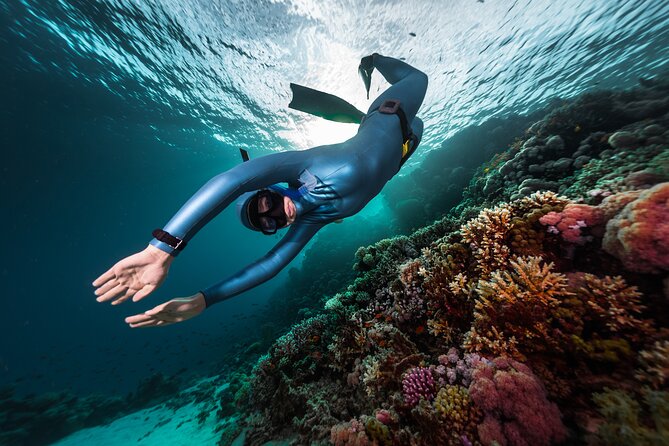
- Nusa Penida setting: You train around a tropical island known for coral and tropical fish, with underwater photographs included.
What the Nusa Penida course is really teaching
Freediving can look simple from the shore. You take a breath, lower yourself underwater, and return. In practice, the course teaches you how to stay calm, use your body efficiently, and manage pressure as you descend.
That is why the three-day format matters. You are not simply shown a few techniques and sent into the sea. The schedule combines theory with repeated practice, giving you time to understand the method before trying to go farther.
The course welcomes complete beginners. If you have never tried a breath-hold activity, you start with basic skills and gradually become more comfortable in the water. One student described being nervous about being underwater without breathing, then getting used to it step by step. That is a useful way to think about the course: progress comes from control, not from forcing yourself downward.
You should not treat the advertised 15 to 20-meter result as a promise. It is the level most students can reach by the end, but your own result will depend on comfort, fitness, equalization, technique, and how your body responds. The real success may be learning to move calmly and safely at a shallower depth.
A few more tours worth putting side by side
- Best of Bali 3-Day Packaged Tour
★ 5.0 · 503 reviews - 3Days – Tumpaksewu Bromo Ijen Adventure via Malang or Surabaya
★ 5.0 · 405 reviews - 3-Day Ethical Orangutan Jungle Trek | Bukit Lawang, Sumatra
★ 5.0 · 401 reviews
Day one: theory, breathing, and getting comfortable
The first day begins at 8:30 a.m. at Freedive Nusa, on Jl. Ped to Buyuk in Ped, Nusa Penida. The day ends at 4:30 p.m., with a lunch break. Since lunch is not included, plan ahead rather than assuming food will be provided as part of the course.
Your introduction includes theoretical work on land. This part may feel less exciting than getting into the water, but it is central to the course. You learn the ideas behind breath-hold practice, safe behavior, and efficient movement before trying to extend your time underwater.
The instructors also use land-based practical sessions. These give you a chance to work through body position and breathing methods without the pressure of being in the sea. For a beginner, this can make a big difference. It is easier to notice poor habits when you are not also thinking about waves, depth, or staying oriented.
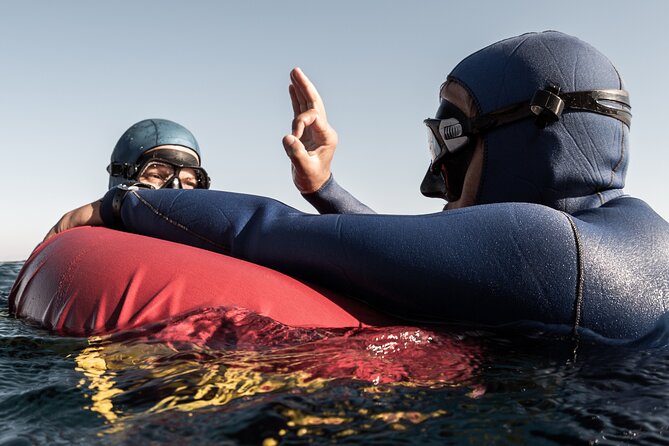
The small class size should help here. With a maximum of four students per instructor, you have a better chance of receiving direct corrections rather than simply copying a demonstration. In the supplied feedback, students repeatedly praised instructors for patience, encouragement, clear explanations, and careful attention to individual needs.
Instructors named in the feedback include Sabli, Artem, Roberto, Seva, Hamza, Gaston, Gas, and Chiara. The specific instructor available for your course may vary, but the pattern is clear: students valued a calm teaching style that challenged them without making them feel rushed.
Confined-water sessions: building control before going farther
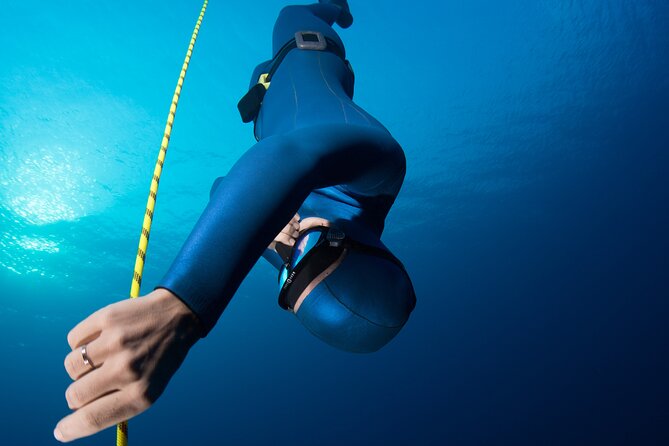
The course includes two confined-water sessions. The supplied details do not specify the exact pool location or the precise exercises used, so you should think of these sessions as controlled practice rather than a sightseeing stop.
This stage is especially helpful if you are new to breath-hold activity. A pool or other confined setting removes some of the distractions found in open water. You can focus on breathing, body position, relaxation, and safe movement while receiving immediate feedback from the instructor.
The goal is not simply to stay underwater for as long as possible. Good freediving depends on relaxed technique. Tension wastes energy and can make a short breath hold feel much harder. The instructors’ job is to help you recognize that difference.
Students praised the course for being challenging but fun. That balance is important. You want an instructor who encourages progress, but you should never feel pushed to ignore discomfort or fear. The small group ratio gives the teacher room to adjust the session to your ability.
You will use the school’s equipment during the course. That means you do not need to buy special gear in advance. The fee includes use of freediving equipment, which makes the course easier to book on short notice and reduces the risk of buying items you may not yet understand.
Open-water sessions: Nusa Penida becomes the classroom
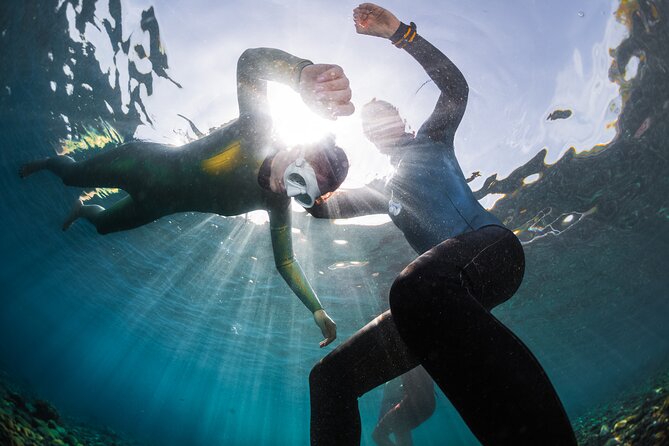
Three open-water sessions form the heart of the course. This is where the skills from the pool and classroom are put to work in the sea around Nusa Penida.
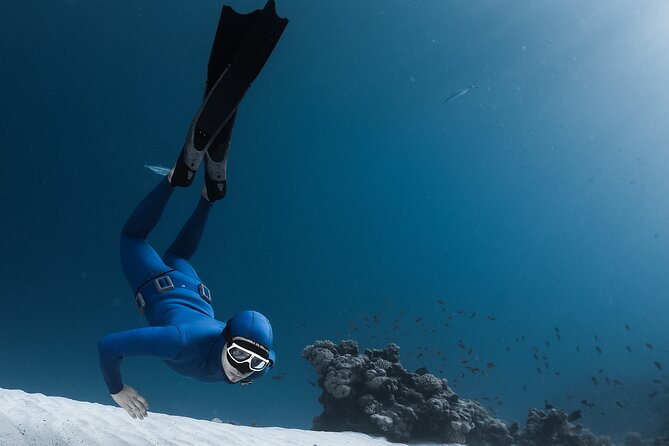
The island setting adds a strong visual reward. The course includes underwater photographs of you moving among coral and tropical fish, so you leave with more than a certificate and new skills. The images can also help you review body position and technique, although the main value is the memory of seeing the underwater world under your own breath.
Open water also brings variables that a pool cannot provide. You may need to adjust to the sea, visibility, depth, and the simple mental change from a controlled pool session to a natural setting. The course’s measured progression is designed to help you make that transition.
The itinerary identifies Nusa Penida as the sole stop. You return to the meeting point at the end of the activity each day, rather than being transferred between several attractions. That keeps the focus on training, but it also means this is not a sightseeing tour with a little freediving added.
If you are hoping to spend the day visiting multiple beaches or famous island sites, leave extra days before or after the course. The training schedule fills the day from morning to late afternoon.
A completely different kind of day out on the same trip:
- ️Nusa Penida by Private Boat – Snorkeling 4 spots, Swim with Mantas + Land Tour
★ 5.0 · 6,424 reviews - Bali to Nusa Penida: Premium Private Full Day Tour-All Inclusive
★ 5.0 · 764 reviews - One Day Nusa Penida Island West with Snorkeling
★ 4.5 · 560 reviews - One Day Nusa Penida Island West & East
★ 4.5 · 425 reviews
What reaching 15 to 20 meters means
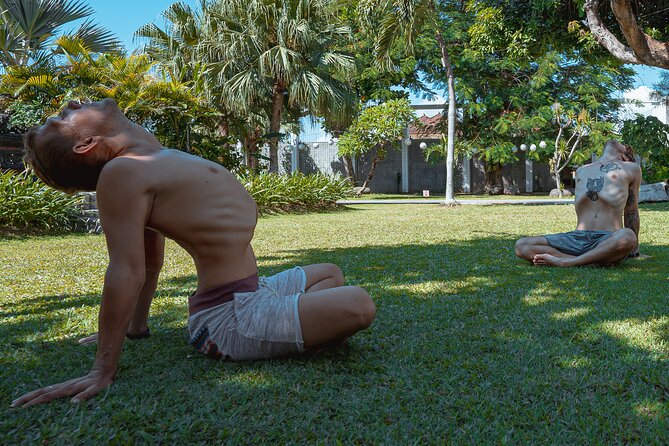
The course advertises a typical final depth of 15 to 20 meters and a breath hold of more than two minutes for most students. Those figures give you a useful idea of the course level, but they should be treated as benchmarks rather than targets you must hit.
For a first course, reaching a particular number is less important than learning to descend and return safely. You may progress quickly in one area and slowly in another. For example, you might feel comfortable with your breathing but need more time to improve equalization, or you might reach a good depth while still working on relaxation.
A responsible course should leave you with skills you can continue practicing, not with the idea that you must prove yourself in a single session. The feedback here repeatedly emphasizes instructors who offered support, clear explanations, and a gentle push in the right direction.
That approach suits beginners well. Artem was praised for caring for each student while still encouraging progress. Roberto was described as supportive when a student was initially afraid. Hamza received praise for building confidence through patience. These details suggest that the teaching experience may be as important as the island setting.
Safety and the value of four students per instructor
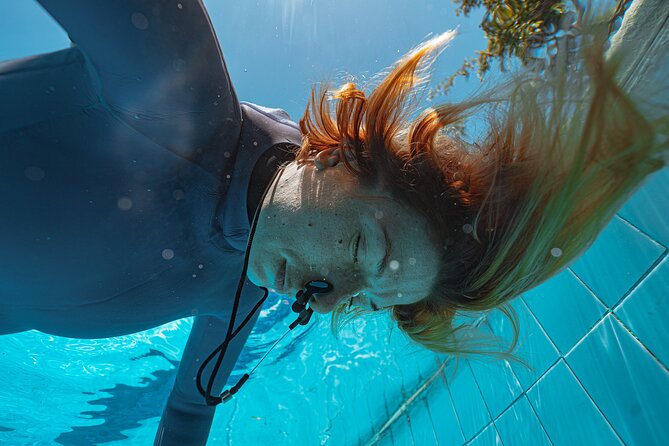
Safety is the strongest reason to pay attention to the group limit. Freediving is not an activity you should practice alone, especially when you are extending breath holds or going deeper.
A maximum of four students per instructor allows the teacher to keep a closer eye on each person. It also means more chances to ask questions, receive feedback, and repeat an exercise if you do not understand it the first time.
The course is aimed at people with moderate physical fitness. You must be able to swim, but no earlier freediving experience is required. The description does not list a medical screening process or detailed health restrictions, so if you have a relevant medical condition, ask the provider before booking.
Your own responsibility matters, too. Be honest about your comfort level. Do not chase the deepest number or longest breath hold simply because another student progresses faster. A good day in the water is one where you finish feeling in control, not one where you have taken unnecessary risks.
How the instructors shape the experience
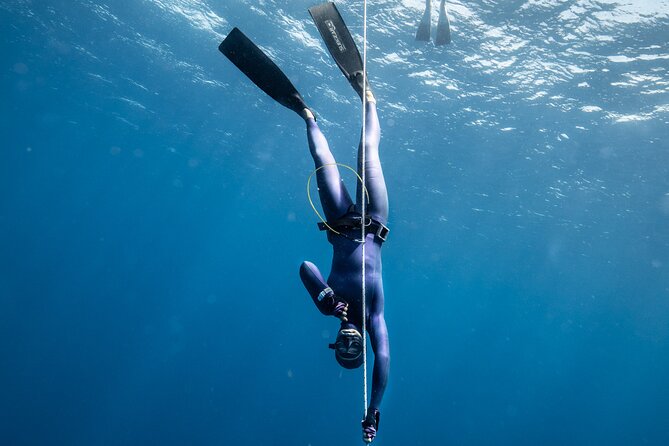
The most consistent praise is directed at the teaching team. Students describe the staff as professional, kind, organized, supportive, and encouraging. They also point to clear theory lessons, quality gear, and useful feedback in the water.
That combination matters more than a polished setting. An instructor who can explain a technique clearly, notice when you are tense, and adjust the challenge to suit you can make the difference between a frightening first attempt and a rewarding one.
Gas and Chiara were praised for making the theory easy to remember through a relaxed teaching style. Seva was described as patient, funny, and attentive. Gaston was praised during a three-day course for professional and supportive instruction.
The names are useful when choosing dates, but you should not assume a specific instructor will be assigned to you. Treat them as examples of the school’s teaching style rather than a guarantee.
What the $450 price includes
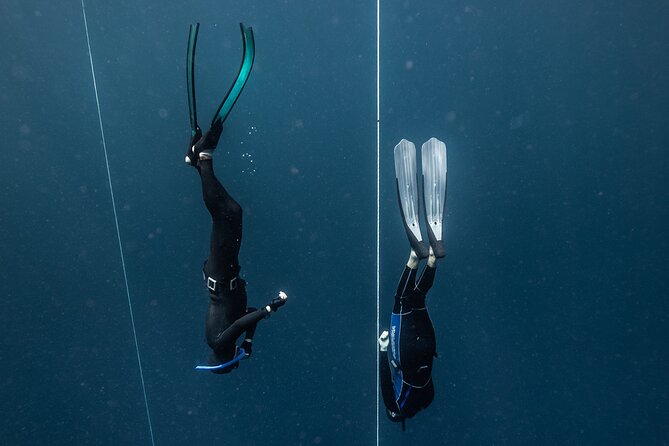
At $450 per person, this is not a cheap introductory activity. It is priced as a three-day training course, and the value depends on how seriously you want to learn freediving.
The fee includes:
- Freediving equipment
- All fees and taxes
- Freediving certification
- Digital learning materials
- Underwater photographs of your course experience
You also receive several days of instruction in a very small group. If you were to buy equipment, pay for separate lessons, and arrange certification independently, the package could make practical sense. The included gear is especially useful for a first course because you can try the activity before deciding what equipment to purchase later.
The price does not include accommodation, lunch, or private transportation. Those costs can add up on Nusa Penida, so include them when planning your budget. The course starts and ends at Freedive Nusa in Ped, and the information provided does not include hotel pickup.
For me, the course is better value for someone who wants a real foundation than for someone who only wants a one-time underwater photo session. If the certificate, instruction, and future practice matter to you, the price is easier to justify.
Who should book this course
This course suits you if you can swim, want structured instruction, and are curious about learning to stay calm underwater. It is also a good fit if you prefer a small class rather than a large group activity.
Beginners should feel comfortable booking it. No previous freediving experience is required, and the course is built around gradual practice. You may also enjoy it if you already snorkel and want to understand how to move below the surface with more control.
The course is less suitable if you want a relaxed half-day outing. Three days from 8:30 a.m. to 4:30 p.m. requires a real commitment. You also need to arrange your own accommodation, lunch, and transport.
It may not be right for you if you dislike structured lessons or feel pressure to reach a particular depth. The best results come when you accept your own pace.
Practical planning for your three days
Set aside the full three-day period. The course schedule includes a lunch break, but lunch is not supplied, so confirm your daily food plan before the first morning.
Arrive at the listed meeting point, Freedive Nusa, Freediving School, Jl. Ped to Buyuk No. Desa, Ped, Kec. Nusa Penida, Bali 80771, Indonesia. Since private transportation is not included, organize your route to the school in advance.
You do not need to purchase special freediving equipment. The school supplies what you need for the sessions. You should still bring ordinary personal items suitable for a full day around the water, though the supplied information does not specify a packing list.
The activity runs Monday through Sunday from 8:30 a.m. to 4:30 p.m. Confirmation is provided when you book. The ticket is mobile, which makes it easy to keep the booking details on your phone.
Cancellation is flexible up to a point. You can cancel at least 24 hours before the start time for a full refund. Cancellations or changes made less than 24 hours before the start are not accepted for a refund, and the cut-off follows local time.
Should you book Freedive Nusa Level 1?
I would recommend this course if you want more than a quick introduction. The small class size, three-day schedule, supplied equipment, certification, and strong emphasis on patient instruction give beginners a solid way to start.
The decision comes down to time and budget. At $450, plus lodging, meals, and transport, it is a substantial purchase. But you receive several days of structured training rather than a short recreational session, and the underwater photos add a memorable extra.
Book it if you can swim, have moderate fitness, and want to build a genuine foundation in freediving. Skip it if you only want a casual water activity or if you cannot commit to three long training days. For the right student, Nusa Penida offers a beautiful setting and Freedive Nusa provides the patient, close instruction needed to make those first breath-hold sessions feel safe and rewarding.
FAQ
Where does the freediving course take place?
The course takes place on Nusa Penida, Bali, with the meeting point at Freedive Nusa, Jl. Ped to Buyuk No. Desa, Ped, Kec. Nusa Penida, Bali 80771, Indonesia.
How long does the course last?
The course lasts three days. Each day runs from approximately 8:30 a.m. to 4:30 p.m., including a lunch break.
Do I need previous freediving experience?
No. The course is open to beginners with no previous freediving or water-activity experience. You must be able to swim.
What water sessions are included?
The course includes two confined-water sessions and three open-water sessions, along with theory and practical work on land.
How many students are in each group?
The course has a maximum of four students per instructor.
Is equipment included?
Yes. The course includes use of freediving equipment, so you do not need to buy special gear for the course.
Is lunch, accommodation, or transportation included?
No. Lunch, accommodation, and private transportation are not included. The course does include fees and taxes, certification, and digital learning materials.
Newest reviews from Nusa Penida
- Reef Rehabilitation Course and Snorkeling★ 5.0 · 7 reviews
- Snorkeling 4 Spot With Manta Bay Or Optional Land Trip★ 5.0 · 14 reviews
- Snorkeling Manta Rays, Land Tour Tembeling Pool & Kelingking★ 4.5 · 16 reviews
- Nusa Penida : Snorkeling Trip Manta Point, Gamat Bay and Wall Bay★ 5.0 · 17 reviews
- Full-Day Nusa Penida Island with Snorkeling from Bali★ 5.0 · 21 reviews
- Manta Point Snorkeling & West Nusa Penida Island Day Tour★ 4.5 · 23 reviews
- One Day Nusa Penida Island East★ 5.0 · 29 reviews
- Explore 4 iconic snorkeling spots of Manta Bay in Nusa Penida★ 4.5 · 29 reviews
3-Day Experiences, compared.
3Days – Tumpaksewu Bromo Ijen Adventure via Malang or Surabaya
Read our review →
3-Day Ethical Orangutan Jungle Trek | Bukit Lawang, Sumatra
Read our review →
From Surabaya / Malang : Mt Bromo Sunrise – Ijen Blue Fire 3D2N
Read our review →
All inclusive Private 3 day tours package : Bali highlights
Read our review →
Monkey Business 3 days – 2 nights Jungle trekking (including rafting)
Read our review →
Active Volcanoes Bromo and Ijen – Start Surabaya 3 Days and 2 Nights
Read our review →
More Complete: Discover Bali In 3 Days Private Tour Package
Read our review →Browse the lists this tour appears in