Reviewed · SHOW
Bali: Ubud Palace Legong Dance Show Ticket
A royal dance waits under the Ubud night sky. The Legong Kraton performance offers a beautiful look at Balinese court tradition, with precise young dancers, ornate costumes, and the hypnotic pulse of a gamelan orchestra. I like the setting near Ubud Palace and the remarkably low $6 price. The main drawback is seating: arrive late and you may stand, sit on the floor, or struggle to see.
This is a simple, affordable evening activity rather than a polished theater production. I especially like the expressive hand movements and the way the dancers tell an old tale through their eyes and posture, even when you do not understand the language. The open-air venue can get hot, crowded, and distracting when people film throughout the performance.
In This Review
- Key points before you book
- Why Legong Kraton matters in Bali
- Entering Ubud Palace for the evening
- Why arriving an hour early is worth it
- What happens during the 90-minute performance
- Costumes, faces, and movement
- Music that may take some getting used to
- The honest drawbacks of the venue
- Getting the best evening from your ticket
- Who will enjoy the Ubud Palace Legong show
- Is the $6 ticket good value?
- Should you book this show?
- FAQ
- Where does the Legong Dance Show take place?
- How long does the show last?
- How early should I arrive?
- Is hotel transportation included?
- Is the ticket refundable?
- Do children pay less than adults?
Key points before you book
- Allow 90 minutes for the show: A performance beginning at 7 PM may finish around 9 PM or a little later.
- Arrive 45 to 75 minutes early: Seats fill quickly, and front or central places are limited.
- Expect traditional Balinese music: The gamelan sound is unusual and powerful, but it may not suit every taste.
- Watch the dancers’ eyes and hands: Their small gestures and sharp movements carry much of the story.
- Bring cash and a camera: Drinks and snacks may be available, but hotel transport is not included.
- The setting is open-air and basic: The palace surroundings add atmosphere, though the performance stage may be across the road from the palace buildings.
Why Legong Kraton matters in Bali
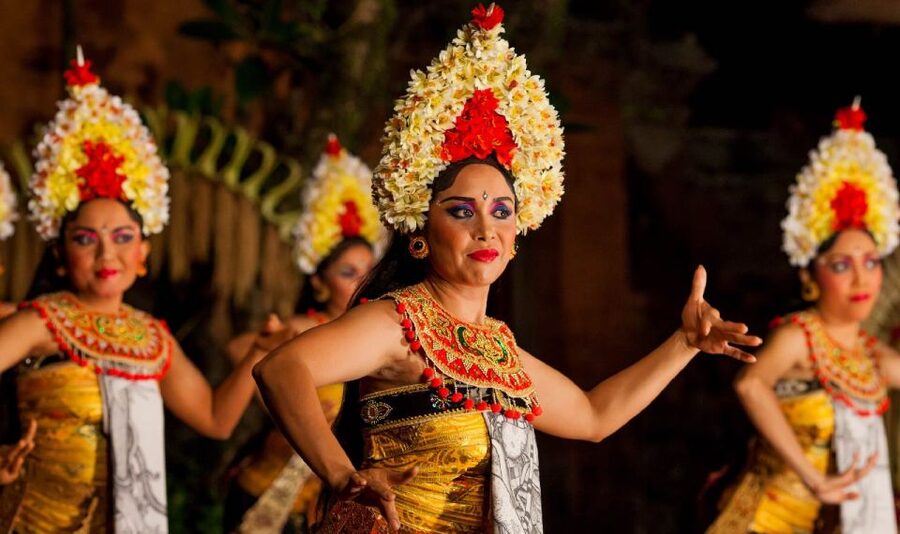
Legong Kraton is one of Bali’s best-known classical court dances. It began as a royal palace art in the 19th century, created for refined court settings rather than casual entertainment.
That background helps explain the performance style. This is not a loose folk dance with broad, easy movements. It depends on discipline, exact timing, controlled posture, delicate finger positions, and quick changes in direction.
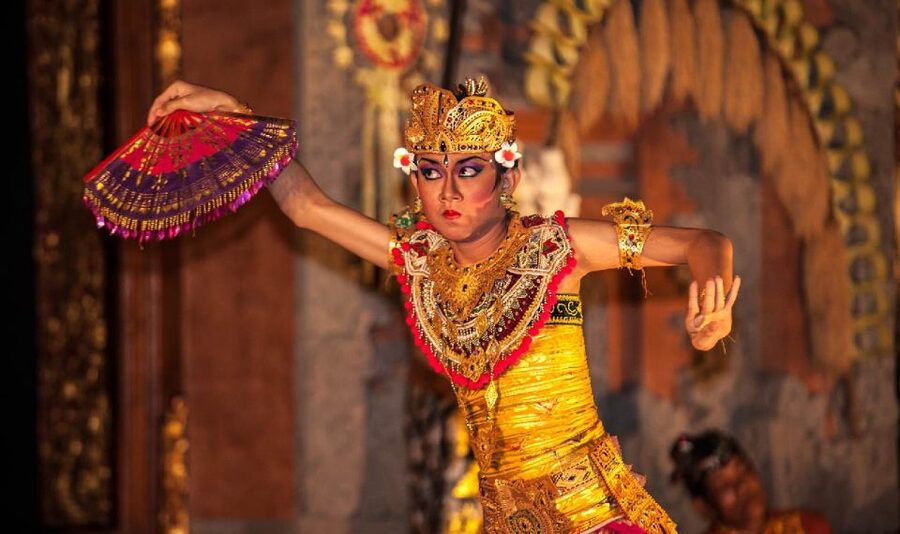
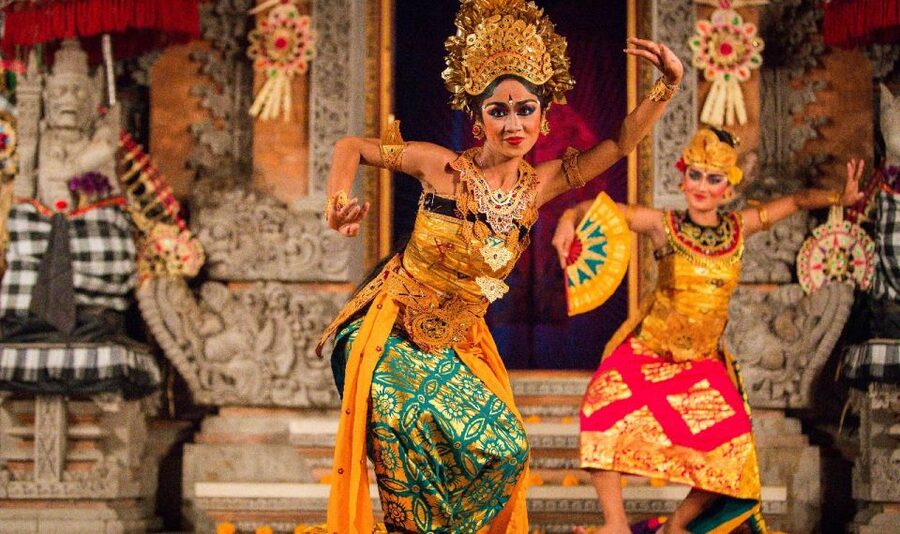
The dancers are usually young women wearing elaborate gold costumes and tall headdresses. Their clothing catches the stage light, but the costume is not just decoration. It helps create the formal look of a palace performance and makes every turn feel more deliberate.
The dance tells an old royal story involving love, conflict, and destiny. You may not follow every character or plot point at first. The action is expressed through movement, facial expression, and symbolic gestures rather than spoken explanation.
That is why I recommend reading the printed story pamphlet before the show begins. It gives you a basic map of the action. Without it, the performance can look like a series of beautiful dances without a clear connection between them.
A few more tours in Ubud worth putting side by side
- Bali: Ubud Kecak and Fire Dance Show Tickets
★ 4.4 · 2,631 reviews - Ubud: Dance Show + Dinner at Lost City – Story of Humanity
★ 4.5 · 94 reviews - Half-Day Tour: Uluwatu Temple and Kecak Fire Dance Show
★ 5.0 · 63 reviews
Entering Ubud Palace for the evening
You go directly to the ticket counter at Ubud Palace. There is no hotel pickup or drop-off, so you need to make your own way to central Ubud and allow time for the evening crowds around the palace area.
The ticket is valid only on the date you select, but it is available to all passport holders. Children pay the same price as adults, which is worth noting for families deciding whether the total cost fits their budget.
Online ticket entry can be slightly confusing. One useful tip is to check the other side of the complex if you do not immediately see the correct entrance. The online booking entrance may be separate from the regular ticket line.
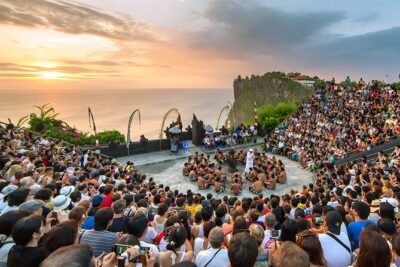
The performance area is outdoors. Some people describe it as being within the palace setting, while others note that the stage is across the road from the main palace buildings. The practical point is the same: you get the atmosphere of central Ubud and ornate royal surroundings, but do not expect to sit inside a formal palace theater.
The venue is easy to find once you are in the area. Still, you do not want to arrive at the last minute and spend the opening minutes searching for the entrance or a place to sit.
Why arriving an hour early is worth it
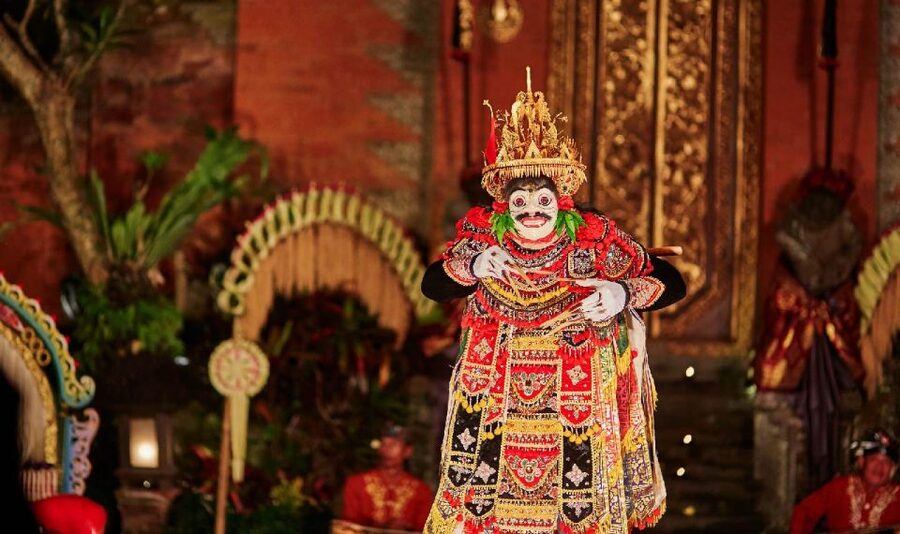
Seating is the biggest issue with this experience. The show is popular, the seating area is limited, and tickets may also be sold locally on the day.
The official advice suggests arriving around 45 minutes early. In practice, I would aim for one hour before the start, or even 75 minutes if a front or central seat matters to you. Several people arrived 30 minutes early and found the venue already full.
The best view is generally near the front and toward the center. Seats at the sides can sometimes offer a less obstructed view of individual dancers, but the performance is mainly directed toward the front, so side positions may make the choreography harder to follow.
There are basic seats, and some floor mats may be placed in front of the stage. In at least one arrangement, sitting on the mats requires buying a drink from a local seller. If you arrive late, you might need to stand for the full performance or accept a blocked view.
This is not a complaint about the dancers. It is a limitation of the venue. The small, simple setup helps keep the ticket cheap, but the site can feel overcrowded when demand is high.
Bring a small hand fan if you dislike heat. The outdoor setting is atmospheric, but air movement can be limited. There may also be no toilet available inside the performance area, so plan ahead before taking your seat.
What happens during the 90-minute performance
The program centers on Legong dance, also called Legong Kraton. You will see dancers enter in detailed costumes, take formal positions, and begin a sequence built on measured poses, sudden turns, quick footwork, and expressive gestures.
The contrast is part of the appeal. One moment feels almost still, with a dancer holding a formal pose. The next brings a sharp head movement, fast hand action, or precise change of direction.
Pay close attention to the eyes. The dancers use their gaze to show alertness, fear, attraction, suspicion, or command. The face can be as important as the feet.
The gamelan orchestra supplies the sound. Its metallic tones and layered rhythms do not behave like a Western melody. The music can feel repetitive at first, but the changing pace gives the dancers their cues and creates tension in the story.
You may also see more than one style of traditional performance during the evening. The program descriptions and firsthand accounts refer to Legong, Ramayana material, and other dance or music sections, with different costumes and characters appearing at times.
That variety can be a plus if you want a broad cultural evening. It can also make the story harder to follow if you expect one short, clearly explained Legong piece from beginning to end. The printed pamphlet helps you connect the scenes.
The performance uses little spoken explanation, so do not expect a guide to narrate each scene in English. You understand it through motion, costume, music, and expression. Even when the plot remains unclear, the physical control of the dancers is easy to appreciate.
The listed duration is 90 minutes. Plan for roughly that amount of time, while allowing for a slightly later finish. One evening show beginning at 7 PM was expected to end around 9:15 PM, so do not book a tightly timed dinner immediately afterward.
A few more tours worth putting side by side
- All-Inclusive Ubud Private Tour
★ 5.0 · 14,344 reviews - Best of Ubud Full-Day Tour with Jungle Swing
★ 5.0 · 8,571 reviews - Ubud: Monkey Forest, Jungle Swing, Rice Terrace, and Water Temple
★ 5.0 · 7,160 reviews - Best of Ubud 1-Day Private Tour
★ 5.0 · 4,451 reviews
Costumes, faces, and movement
The costumes are one of the easiest details to appreciate from any seat. Gold fabric, bright colors, jewelry, and ornate headdresses give the dancers a formal, almost sculpted appearance.
Yet the costumes do not make the performance by themselves. The real skill is how the dancers move while wearing them. The headpieces and layered clothing demand balance, and the choreography requires exact timing from the full group.
The young performers show years of training in small details: the angle of a wrist, the position of the fingers, the tilt of the head, and the way the eyes shift toward another character. These gestures may look simple until you notice that every dancer is doing them together.
The facial expressions are particularly strong. You may see a performer change from soft and graceful to fierce within seconds. That direct expressiveness makes the performance accessible even if you do not know the story.
I would not treat the show as a passive photo opportunity. If you spend the whole time looking through your phone, you will miss the quick movements that make Legong special.
Music that may take some getting used to
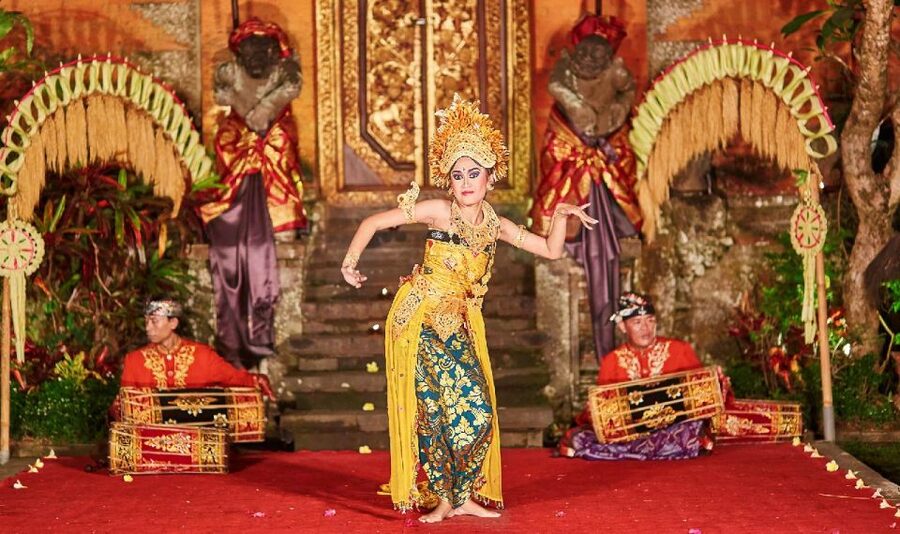
The gamelan orchestra is central to the experience. Its metallic percussion creates a bright, layered sound that can be exciting, strange, or demanding depending on your taste.
Some people love the music immediately. Others need a few minutes to adjust because it does not follow familiar Western patterns. I recommend listening for the relationship between orchestra and dancers rather than waiting for a conventional tune.
The music controls the mood and pace. It can build pressure during a conflict scene, then settle as the dancers return to formal positions. The orchestra is not a background recording. It gives the performance its character.
Occasional technical problems may occur. One account described the lights tripping while the dancers and musicians continued. That sort of interruption can break the mood, but it also shows that you are watching a live local production rather than a heavily managed theater show.
The honest drawbacks of the venue
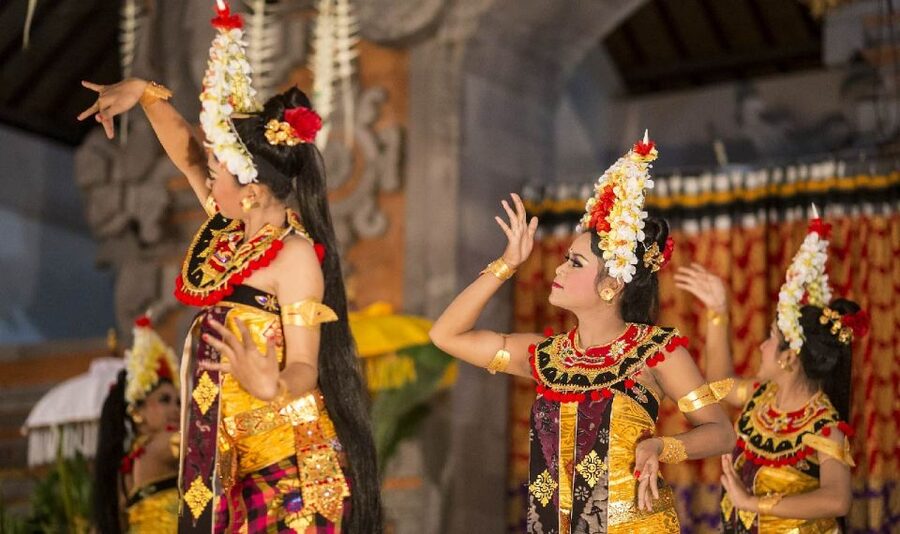
At $6, you are paying for the performance, not luxury facilities. Seating is basic, space is limited, and the crowd can be dense.
Phone filming is another issue. People may record for long stretches, sometimes holding devices above their heads. That can block your view and pull attention away from the dancers. If you want clear photos or video, arriving early is even more important.
Talking during the show can also be distracting. One performance was described as spectacular but weakened by people speaking and filming throughout. You cannot control the behavior of the whole audience, so set realistic expectations.
Heat is possible in the open-air seating area, especially when there is little air movement. A hand fan is a practical item to bring. Drinks and snacks may be sold near the performance, but availability and seating arrangements can vary.
The show may feel long if you have a short attention span or if traditional dance is new to you. The 90-minute length gives the artists time to present a proper program, but it is not a quick ten-minute cultural sample.
If you need polished seating, reliable facilities, quiet viewing, and perfect sightlines, this may frustrate you. If you can accept a simple venue in exchange for a low price and a genuine local art form, the rough edges are easier to forgive.
Getting the best evening from your ticket
I would plan this as part of a relaxed Ubud evening. Arrive early, collect your ticket, find your seat, and read the story pamphlet before the musicians begin.
Bring cash for drinks or snacks, and carry a camera if you want photos. Weapons and sharp objects are not permitted, so pack lightly and avoid bringing anything that could slow entry.
Wear something comfortable for outdoor seating. The supplied information does not promise air conditioning or modern theater facilities, and the open-air arrangement can become warm.
If dinner is part of your plan, schedule it before the performance or leave a generous gap afterward. A 7 PM start may finish closer to 9:15 PM, and leaving the show, collecting belongings, and finding a restaurant can take additional time.
You can leave before the end if needed, though leaving means missing part of the program. For most people, it is better to settle in and give the performance a fair chance, especially if the unfamiliar music takes a few minutes to make sense.
Who will enjoy the Ubud Palace Legong show
I recommend this for you if you want a low-cost cultural activity in central Ubud, especially after a day of temples, rice terraces, or markets.
It suits:
- First-time visitors who want to see a traditional Balinese art form
- Couples looking for an atmospheric evening activity
- Families who can manage a 90-minute performance
- Anyone interested in dance, costume, live music, or Indonesian history
- Budget-conscious visitors who want strong cultural value for very little money
It may not suit you if you need comfortable seating, quiet audiences, or a short show. Young children may also find the formal pacing slow, and the equal adult and child ticket price makes the outing less of a bargain for larger families.
I also would not choose this solely for a perfectly clear narrative. The dance communicates through symbols and movement, and the story may take effort to follow. Read the pamphlet and watch the performers rather than expecting spoken commentary.
Is the $6 ticket good value?
Yes, for most people. The price is exceptionally low for a 90-minute live performance featuring trained dancers, musicians, elaborate costumes, and a historic Ubud setting.
The value is strongest when you judge the ticket as a chance to see Balinese court dance rather than as a luxury entertainment product. You may stand, sit in a basic chair, or deal with phones in your line of sight. Those inconveniences are real, but the entry price leaves room for them.
The performance itself receives the strongest praise. The grace, precision, expressive faces, costumes, and music are the reasons to go. The infrastructure is the weaker part, especially when the venue is packed.
At a rating of 4.4 from 3,979 reviews, the overall response is very positive, with repeated approval for the cultural value and low cost. The recurring advice is clear: arrive early for a good seat.
Should you book this show?
Book it if you want an affordable, authentic-feeling introduction to Balinese dance and can accept simple facilities. The combination of young dancers, formal choreography, gamelan music, and palace surroundings makes this one of Ubud’s easiest cultural evenings to add to your plans.
Choose a date you can keep because the ticket is non-refundable and valid only on the selected date. Then arrive at least an hour early, bring cash, read the story pamphlet, and keep your dinner schedule flexible.
I would skip it only if crowded seating, outdoor heat, or a 90-minute traditional performance sounds like a chore. For everyone else, $6 buys a memorable look at a serious Balinese art form, with far more cultural value than the price suggests.
FAQ
Where does the Legong Dance Show take place?
You should go directly to the ticketing counter at Ubud Palace in Ubud, Bali. The performance is held outdoors, and some information places the stage across the road from the main palace buildings.
How long does the show last?
The listed duration is 90 minutes. A show beginning at 7 PM may finish around 9 PM or slightly later, so allow extra time if you have dinner plans.
How early should I arrive?
Arrive at least 45 minutes early, but one hour to 75 minutes is safer if you want a good seat. The venue can fill before the performance begins.
Is hotel transportation included?
No. Hotel pickup and drop-off are not included. You need to make your own way to the ticket counter at Ubud Palace.
Is the ticket refundable?
No. The activity is non-refundable, and the ticket is valid only on the selected date.
Do children pay less than adults?
No. Children are charged at the same rate as adults. The ticket is valid for all passport holders.
Newest reviews from Ubud
- Explore Rice Fields and Hidden Villages with Ubud E-Bike Tour★ 5.0 · 7 reviews
- Monkey Forest Ubud Half day Tour★ 4.0 · 7 reviews
- Private Tour: Heaven Gate Temple, Tirta Gangga and Blue Lagoon Snorkeling★ 5.0 · 7 reviews
- Ubud Monkey Forest Rice Terrace Temple Waterfall Private Tour★ 5.0 · 7 reviews
- UBUD : Temple and Waterfall All Inclusive Day Tour★ 5.0 · 7 reviews
- Bali – Silver Jewelry Making Class★ 5.0 · 7 reviews
- One way fast Boat between Padangbai and Gili Islands or Lombok★ 5.0 · 7 reviews
- Bali ATV Quad Bike and White Water Rafting – All Inclusive★ 5.0 · 7 reviews
Show, compared.

Tanah Lot Temple Sunset Kecak & Fire Dance Show Ticket
Read our review →
Dance Show + Dinner at Lost City – Story of Humanity
Read our review →
Prambanan Temple and Ramayana Ballet Show (VIP Seat with dinner)
Read our review →