
Reviewed · CYCLING TOURS
Explore Rice Fields and Hidden Villages with Ubud E-Bike Tour
See Bali beyond the busy streets. This 4.5-hour private e-bike outing links Tegallalang’s rice terraces with a traditional Balinese home, a Hindu temple, a coffee plantation, and lunch. I like the mix of scenery and everyday culture, and I like that photos, water, a guide, an electric bike, and pickup in Ubud are included. The main consideration is that the coffee plantation fee is not included, and the route still uses public roads, so this is not a quiet, traffic-free ride.
The tour costs $44.07 per person, which is fair for a private outing with lunch and transport support. Guides such as Raika have earned praise for being kind, attentive, and quick with photos and videos, though the four stops leave little room for lingering if you want a slow, unhurried look at every site.
In This Review
- Key points to know before you book
- Why an e-bike works well around Ubud
- Starting with a Balinese home in Tegallalang
- A 30-minute Hindu temple visit on Jalan Pejengaji
- One hour among the Tegallalang rice terraces
- Coffee culture at Uma Pakel Agro Tourism
- Lunch, water, and the practical value of the package
- How the timing shapes the morning
- Who will get the most from this Ubud ride
- My verdict on the $44.07 price
- Should you book the Ubud e-bike tour?
- FAQ
- How long does the Ubud e-bike tour last?
- What is included in the tour price?
- Is the coffee plantation admission included?
- Where does the tour start and end?
- Is this a private tour?
- Can I cancel for a full refund?
Key points to know before you book
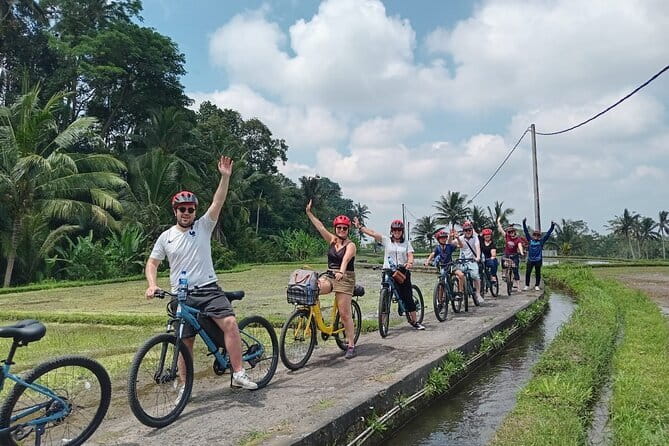
- Tegallalang terraces are the visual centerpiece: Plan on about an hour here for Bali’s famous stepped rice fields.
- The private format keeps the day personal: Only your group participates, so the guide can give more direct help on the road.
- Raika has been praised for photos and care: The tour team takes pictures along the way, useful when you do not want to stop and manage your phone.
- A traditional home adds real cultural context: This is more than a quick roadside photo stop, with time set aside to see how Balinese homes are arranged.
- Lunch and water are included: That gives the $44.07 price more weight than a basic bike rental.
- The plantation visit costs extra: Admission at Uma Pakel Agro Tourism is not included, so check the additional charge before you go.
Why an e-bike works well around Ubud
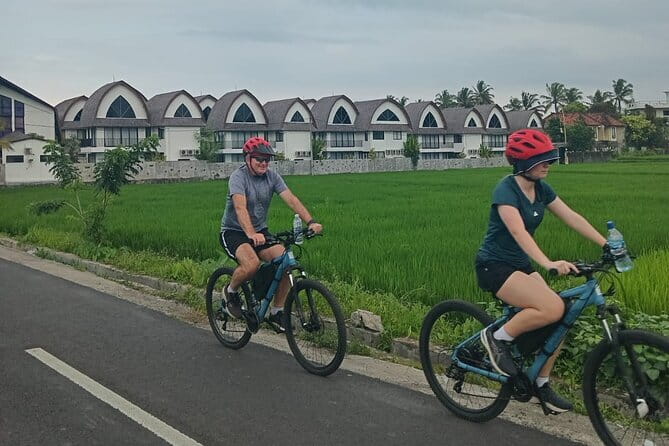
Ubud is a rewarding place to explore by bicycle, but its roads can be tiring. The electric bike helps you cover the countryside without turning the morning into a fitness test. You still pedal and remain active, but the motor can make the route more manageable.
The private setup is useful here. You are not riding with a large pack, and the guide can watch how you handle the bike, offer help, and keep the group together. The tour information says most people can participate, but you should still feel comfortable riding a bicycle and sharing roads with other traffic.
This is not a mountain-bike expedition or a technical off-road ride. It is a cultural sightseeing tour on two wheels. That distinction matters. You get the pleasure of moving through villages and fields at a human pace, but you should not expect a silent ride through untouched countryside.
Pickup is offered in the Ubud area. The listed meeting point is Ubud Cycling Tour, eBikes Ubud Tour, on Jalan Raya Sapat in Tegallalang, Gianyar. The activity returns to that meeting point, so confirm the pickup details when you book if you are staying elsewhere.
More Cycling Tours in Ubud
- Electric Cycling Tour of Ubud with Free Hotel Transfer and Lunch
★ 5.0 · 1,397 reviews - Ubud: Downhill Cycling with Volcano, Rice Terraces and Meal
★ 5.0 · 536 reviews - Half-Day Ubud Electric Cycling Tour to Tirta Empul Water Temple
★ 5.0 · 315 reviews
Starting with a Balinese home in Tegallalang
The first stop is a Balinese traditional house, with about 30 minutes set aside for the visit. This is a smart opening because it gives you a cultural frame for the rest of the ride before you reach the larger attractions.
A Balinese home is not simply a single building in the Western sense. The visit is meant to show the traditional arrangement and the way domestic space reflects local customs. The available information does not promise a formal demonstration or a specific family-hosted program, so treat this as a guided cultural stop rather than a staged performance.
I like this part because it can help you notice details later in the day. Once you have seen a traditional home, temples and village roads become easier to understand as parts of a living community, not just pretty backdrops.
Thirty minutes is enough for an introduction, but not a long architectural study. If you want extended time with local residents or a detailed discussion of Balinese family life, this tour may feel brief. Still, it offers more substance than simply cycling past village homes without explanation.
One particularly useful point from the guide feedback is the repeated praise for explanations and hospitality. The guide’s role here matters. A house visit can feel awkward if nobody explains what you are seeing, but a warm guide can turn a short stop into a respectful exchange.
A 30-minute Hindu temple visit on Jalan Pejengaji
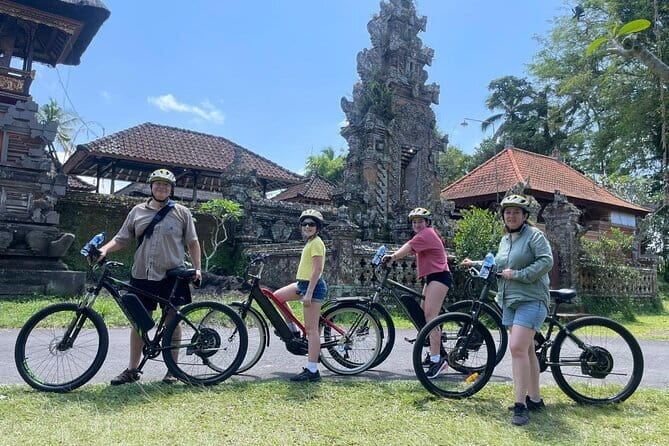
The second stop takes you to a Balinese Hindu temple on Jalan Pejengaji. You have about 30 minutes to see the architecture and learn about the island’s spiritual traditions.
The tour description presents the temple as a place of ancient customs, striking design, and scenic surroundings. Exact temple rules are not provided, so dress and behavior should be handled respectfully. Covering shoulders and knees is a sensible approach for any temple visit, though the tour data does not specify a required dress code or whether a sarong is supplied.
This stop works best as a compact cultural visit. You are not spending half a day studying one temple, but you are getting a chance to see a sacred site within a broader countryside route. The contrast with the house is useful: one stop shows private traditional life, while the other introduces communal religious space.
The timing can also help keep the morning moving. Four and a half hours is long enough to feel substantial, but short enough to fit into a day of sightseeing in Ubud. The tradeoff is that you may need to keep an eye on the clock, especially if you want extra photographs.
Guides have been praised for keeping riders comfortable even on busy streets. That is important around Ubud, where road conditions can change quickly. You should listen closely to the guide’s instructions and avoid treating the ride as a race.
One hour among the Tegallalang rice terraces
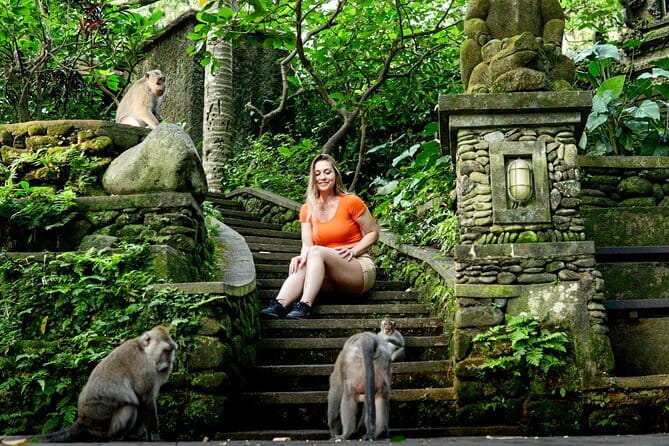
The main scenery arrives at Tegallalang Rice Terrace, where the tour allows about one hour. This is the stop most likely to fill your camera, with layered fields cut into the hills around Ubud.
The terraces are beautiful because they show farming shaped to the contours of the land. You are not simply looking at a green field. You are seeing an irrigation-based agricultural system and a working rural setting that has become one of Bali’s best-known sights.
An hour gives you a reasonable window for views, photographs, and a walk. It is not an all-day exploration, and the route may include uneven ground or walking away from the bike. Wear shoes that can handle both cycling and short walks.
This is also where expectations matter. Tegallalang is famous, so it can be a popular place. The tour may give you a more active way to reach and experience the area than arriving only by car, but it cannot guarantee solitude. If you want empty terraces and long quiet pauses, schedule your hopes carefully.
The strongest praise for this outing centers on the combination of rice fields, temple visits, and lunch. That balance is the real appeal. You see a famous place, but you do not spend the whole morning at a viewpoint taking the same photograph as everyone else.
A completely different kind of day out on the same trip:
- All-Inclusive Ubud Private Tour
★ 5.0 · 14,344 reviews - Best of Ubud Full-Day Tour with Jungle Swing
★ 5.0 · 8,571 reviews - Ubud: Monkey Forest, Jungle Swing, Rice Terrace, and Water Temple
★ 5.0 · 7,160 reviews - Best of Ubud 1-Day Private Tour
★ 5.0 · 4,451 reviews
Coffee culture at Uma Pakel Agro Tourism

The final listed stop is Uma Pakel Agro Tourism, a coffee plantation visit lasting about one hour. This adds a food and farming angle to the day and gives you a break from the road.
The stop is designed to introduce Bali’s coffee culture through a plantation setting. You can expect time to learn about coffee and enjoy the atmosphere, but the supplied details do not specify exactly which drinks, tastings, or products are included. The admission ticket is not included, so budget for that separately.
That extra cost is the clearest value caution. At $44.07, the tour already includes an electric bike, safety equipment, water, photos, a personal guide, pickup in Ubud, and Balinese lunch. Even so, the plantation fee means the advertised price is not the full cost of every scheduled stop.
I would ask about the plantation admission before departure, especially if you are watching your spending. You may also want to ask whether any coffee tasting is part of the visit or purchased separately. Those questions can prevent an awkward surprise at the end of an otherwise well-organized morning.
The plantation is a good fit if you enjoy connecting food with place. It is less important if coffee is not part of your interest, since the rice terraces and cultural visits are stronger reasons to book the tour.
Lunch, water, and the practical value of the package
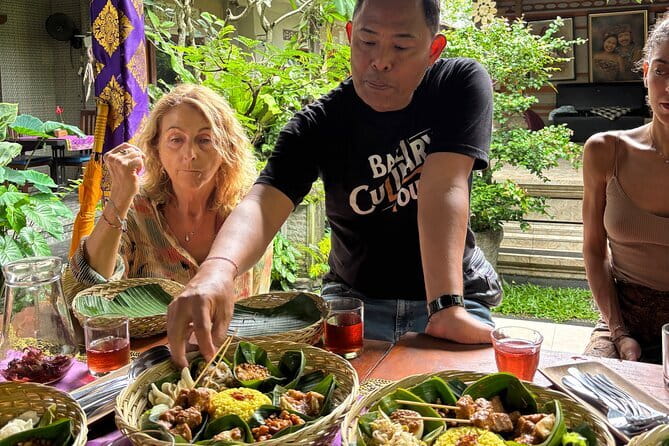
Balinese lunch is included, along with water. That is a meaningful advantage on a bike tour. You do not have to stop your ride to search for food, and the meal gives the group a natural pause.
The exact menu is not provided, so I would not book this expecting a particular dish or a special dining venue. The value is convenience and a chance to eat Balinese food during the experience. One guide response also highlights the food positively, along with the quality of the bikes.
Photos are taken throughout the outing. This is a small feature with real value. You can focus on riding and looking around instead of constantly stopping to frame self-timer shots. The guide feedback specifically praises Raika for taking plenty of photos and videos, so you may want to remind the guide early if you especially want pictures at the rice fields, temple, or house.
Safety equipment is included. The tour does not provide detailed information about helmets or other specific items, so confirm what is supplied if you have particular safety needs. The group is private, which is more comfortable than joining a large cycling convoy, but you still share roads with local traffic.
How the timing shapes the morning
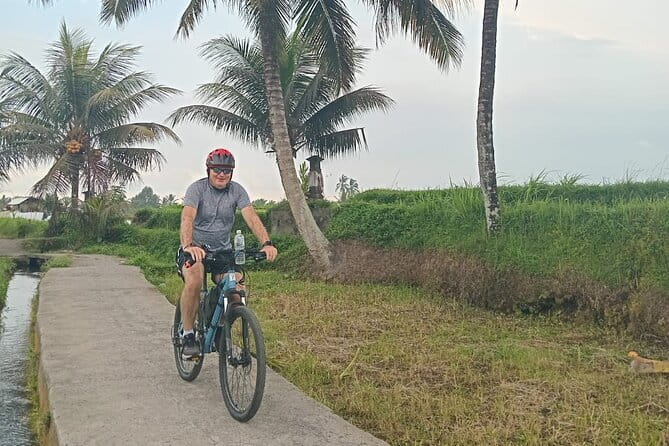
The scheduled stops add up to about three hours, leaving the rest of the 4.5-hour duration for cycling, pickup arrangements, meals, and movement between places. That is a sensible structure for a half-day outing.
You get enough time to see each major part without spending the entire day on a bicycle. At the same time, this is not a slow village ramble where you can wander freely at every stop. The 30-minute house visit and 30-minute temple visit are introductions, while the rice terrace and plantation receive the longer pauses.
The tour is booked, on average, 15 days in advance. That suggests you should not leave it until the final morning if your Ubud schedule is fixed. Confirmation is received at booking, and free cancellation is available up to 24 hours before the start time. Changes or cancellations inside that window are not accepted for a refund.
Who will get the most from this Ubud ride
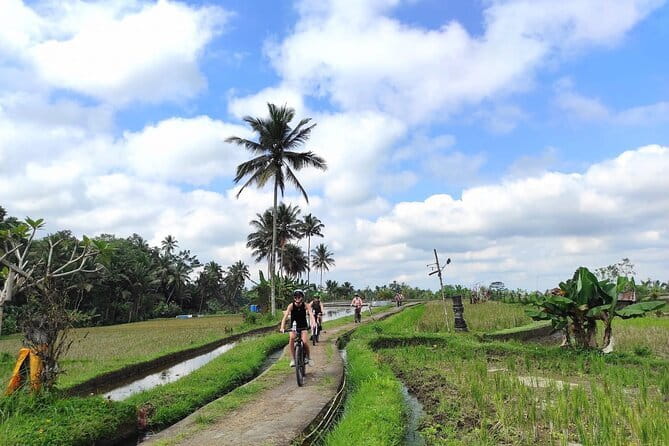
I would recommend this tour to you if you want several sides of Bali in one morning: farming, religion, home life, coffee, local food, and gentle outdoor activity. It is especially suitable for couples, families, and small private groups that prefer direct contact with a guide.
You should also consider it if Ubud is your base and you want pickup rather than arranging your own transport to Tegallalang. The private format gives you more personal attention, and the guide can help with photos and road confidence.
This may not suit you if you dislike bicycles, have difficulty riding on public roads, or want a fully relaxed car tour. The electric motor reduces effort, but it does not remove the need to steer, balance, and pay attention.
It is also not the best choice for someone seeking a long, quiet stay at one rice terrace. The day is built around variety. You trade depth at one site for a wider look at the Ubud area.
My verdict on the $44.07 price
The price is strong for a private half-day experience. An electric bike rental alone would not give you the cultural explanations, lunch, water, photography, safety equipment, or pickup support included here.
The plantation admission keeps the value from being completely all-inclusive, and you should confirm that cost before setting out. Still, the package covers the pieces that can make a cycling day inconvenient, especially food, water, equipment, and a person guiding you through the route.
The 4.9 rating from seven reviews points to a very positive early record, with the highest praise focused on friendly service, clear explanations, care on busy streets, photos, the temple, rice fields, lunch, coffee stop, and traditional home. Those strengths fit together into a well-rounded introduction to rural Ubud.
Should you book the Ubud e-bike tour?
Book it if you want an active but manageable way to see more than Ubud’s main streets. The best reason to choose it is the combination of private guiding and cultural variety, not simply the chance to ride an electric bike.
Before booking, confirm pickup, the plantation admission fee, what safety equipment is supplied, and what is included at the coffee stop. If those details suit your budget and you are comfortable cycling near traffic, this is a practical, good-value morning with enough local context to make the scenery mean more.
FAQ
How long does the Ubud e-bike tour last?
The experience lasts approximately 4 hours and 30 minutes.
What is included in the tour price?
The price includes an electric bike, safety equipment, photos taken during the tour, pickup in the Ubud area, Balinese lunch, water, and a personal guide.
Is the coffee plantation admission included?
No. Admission to Uma Pakel Agro Tourism is not included, so you should budget for that separately.
Where does the tour start and end?
The listed meeting point is Ubud Cycling Tour, eBikes Ubud Tour, Jalan Raya Sapat, Tegallalang, Gianyar, Bali. The activity ends back at the meeting point.
Is this a private tour?
Yes. Only your group participates in the activity.
Can I cancel for a full refund?
Yes, if you cancel at least 24 hours before the experience start time. Cancellations or changes made less than 24 hours in advance are not refunded or accepted.
More E-Bikes
- Ubud eBikes Tour to Tegallalang Rice Terrace
★ 5.0 · 507 reviews - Electric Bike Tour in Ubud
★ 5.0 · 281 reviews - Explore Ubud with Electric Bike
★ 5.0 · 27 reviews - Private Fat Tire E-Bike Tour in Ubud
★ 5.0 · 25 reviews
Newest reviews from Ubud
- Monkey Forest Ubud Half day Tour★ 4.0 · 7 reviews
- Private Tour: Heaven Gate Temple, Tirta Gangga and Blue Lagoon Snorkeling★ 5.0 · 7 reviews
- Ubud Monkey Forest Rice Terrace Temple Waterfall Private Tour★ 5.0 · 7 reviews
- UBUD : Temple and Waterfall All Inclusive Day Tour★ 5.0 · 7 reviews
- Bali – Silver Jewelry Making Class★ 5.0 · 7 reviews
- One way fast Boat between Padangbai and Gili Islands or Lombok★ 5.0 · 7 reviews
- Bali ATV Quad Bike and White Water Rafting – All Inclusive★ 5.0 · 7 reviews
- Kecak fire dance in Uluwatu★ 4.5 · 7 reviews
Cycling Tours, compared.
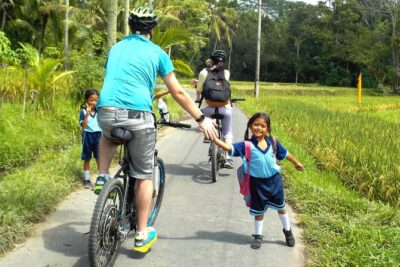
Electric Cycling Tour of Ubud with Free Hotel Transfer and Lunch
Read our review →
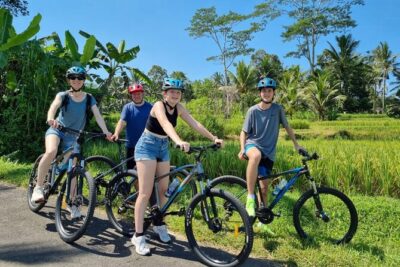
Downhill Cycling with Volcano, Rice Terraces and Meal
Read our review →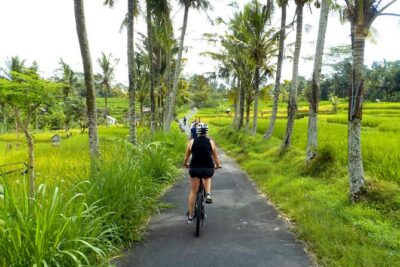
Half-Day Ubud Electric Cycling Tour to Tirta Empul Water Temple
Read our review →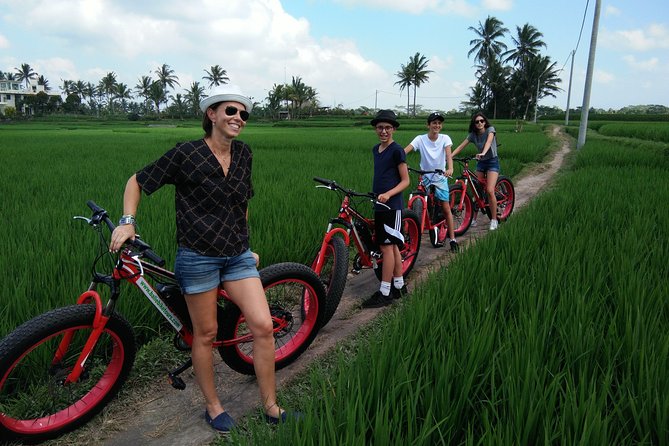
Kintamani Cultural and Nature Cycling Tour ( Manual Bike )
Read our review →
Browse the lists this tour appears in