
Reviewed · TRADITIONAL VILLAGE TOURS
Balinese Village Experience
Bali opens up beyond the resort gates. This seven-hour visit to Pacung Sangeh village gives you a close look at daily Balinese life, from family compounds and morning cakes to handmade offerings and a temple blessing. I like the small maximum of 10 people, and I like that local host Eric can explain customs from personal experience. The main concern is the strict, nonrefundable booking policy, so you will want your plans settled before paying.
The $70 price is reasonable for a full day with hotel pickup, return transport, food, guiding, and cultural activities. Still, this is not a fast sightseeing circuit. You spend much of the day learning, listening, and taking part, which suits curious families and culture-focused visitors better than anyone chasing a long list of monuments.
In This Review
- Key points about the Pacung Sangeh day
- Why this village visit feels different
- Starting at 8:30 am with a south Bali pickup
- Morning tea inside a Balinese family compound
- Making canang sari by hand
- Lunch at a scenic warung
- Holy water, a waterfall, and caves
- What the $70 price really covers
- Who should book this Balinese village day
- Timing, booking, and the one serious drawback
- My verdict on this Pacung Sangeh experience
- FAQ
- Where does the Balinese Village Experience take place?
- How long does the experience last?
- What time does the tour start?
- Is hotel pickup available?
- What is included in the experience?
- Is lunch included?
- How many people can join the tour?
- Can children take part?
- Are service animals allowed?
- Can I cancel or change my booking?
Key points about the Pacung Sangeh day
- A real family compound: Meet Eric and his family in their home village, rather than only seeing Balinese customs in a staged performance.
- Hands-on canang sari making: Learn about the small daily offerings used in Balinese Hindu practice and try making one yourself.
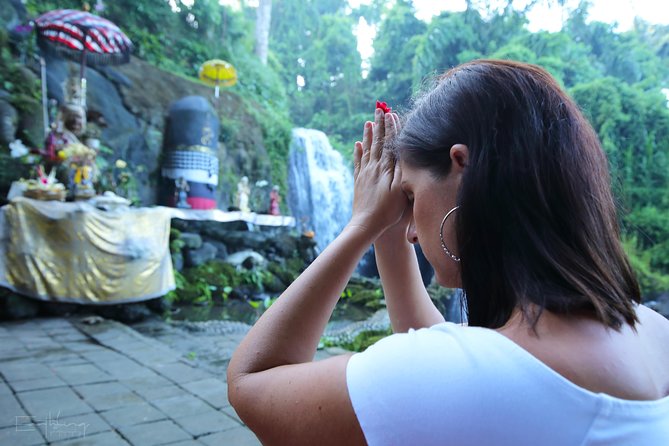
- A holy water blessing: Visit a sacred water temple for a cleansing ritual near a beautiful waterfall and caves.
- Morning tea with local food: Share coffee and Balinese cakes before the day’s activities begin.
- Lunch at a scenic warung: Break up the cultural visits with a typical meal in a casual local restaurant.
- Easy south Bali transfers: Pickup and drop-off are provided for most hotels in south Bali, with an 8:30 am start and a small group capped at 10.
Why this village visit feels different
Many Bali outings give you a temple, a viewpoint, and a quick explanation before moving on. This one slows the pace. You spend time with a family, learn what an offering means, and see how religious practice fits into ordinary home life.
That difference matters. Balinese Hinduism is not presented here as a set of costumes or photo stops. It appears through food, household rituals, temple visits, and the careful work of preparing canang sari. You get the chance to ask questions while sitting with people who live these traditions every day.
The setting is Pacung Sangeh village, away from the busiest resort areas. The tour description calls it a traditional village experience, and the plan centers on the village itself rather than a long run of major attractions. That makes the day feel more personal, but it also means the value comes from conversation and participation, not from ticking famous sights off a list.
The small group size helps. With no more than 10 people, you should have a better chance to hear the guide, see what he is demonstrating, and take part without a crowd pressing in. It also makes a family visit feel less intrusive than a large coach group would.
More village tours in Kuta:
- Full Day Kintamani Volcano View and Ubud Village Tour
★ 5.0 · 183 reviews - Best Day Tour – #3 World Cleanest Traditional Village
★ 5.0 · 12 reviews - Besakih Mother Temple, Penglipuran Village and More – Full Day
★ 5.0 · 12 reviews
Starting at 8:30 am with a south Bali pickup
The day begins at 8:30 am, with pickup offered from most south Bali hotels. That is a useful feature if you are staying in Kuta or another nearby resort area and do not want to arrange a taxi to a meeting point.
The transport is more than a minor convenience. Bali traffic can turn a simple transfer into a time-consuming chore, and direct pickup reduces that early morning fuss. You are taken to the meeting point where you meet the local guide, then continue into the village program.
Exact pickup coverage is not stated for every hotel, so confirm that your accommodation falls within the service area. The advertised pickup applies to most south Bali hotels, not necessarily every address on the island.
The total outing lasts about seven hours, while the village activity is listed at about four hours. The difference likely accounts for transfers and the meal, but the precise timing can vary. Plan on giving the whole morning and much of the afternoon to the experience rather than treating it as a short half-day stop.
Morning tea inside a Balinese family compound
The first major part of the visit takes place at a real family compound in Pacung Sangeh. This is where the experience gains its strongest personal touch. Instead of receiving all your information from a guide in a public attraction, you enter the setting where a Balinese family lives.
You are welcomed with morning tea, coffee, and Balinese cakes. Food is a useful introduction to culture because it gives the visit a relaxed start. You can settle in, look around the compound, and learn about home life before moving into religious customs.
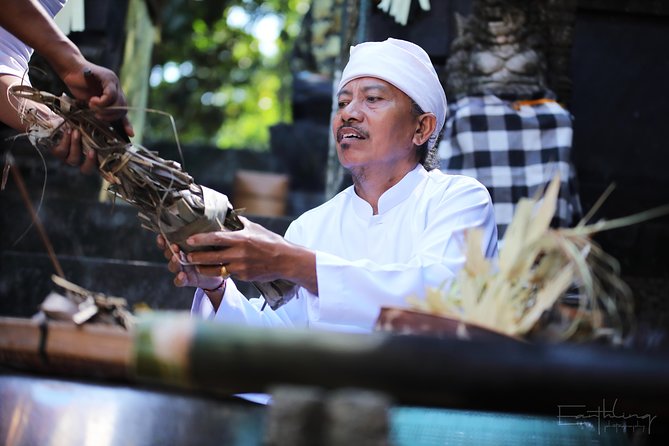
Eric, who grew up in the village, leads the experience. His personal connection is important here. The family setting and direct explanations make it easier to understand that Balinese traditions are part of daily routines, not just something performed for visitors.
One family with children aged six and eight found Eric patient and clear, especially during the cleansing ceremony. That makes this a promising choice for families, since the day includes practical activities rather than a long lecture. Still, children need to be comfortable listening, following instructions, and taking part respectfully at a religious site.
The compound visit also asks for the right attitude from you. This is someone’s home, not a museum. Dress and behavior should be respectful, and you should expect the day to depend on polite interaction rather than a polished attraction with signs at every turn.
Making canang sari by hand
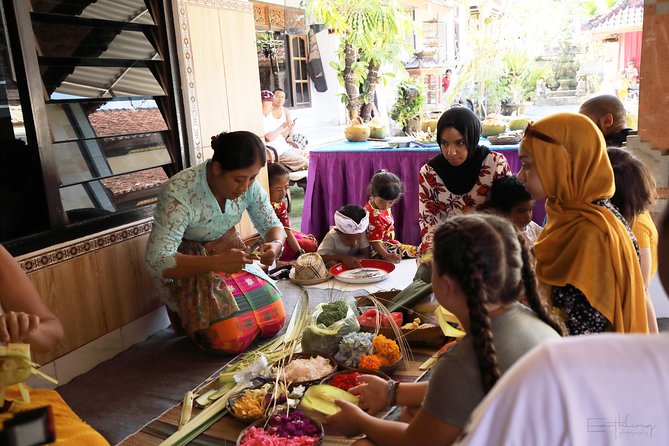
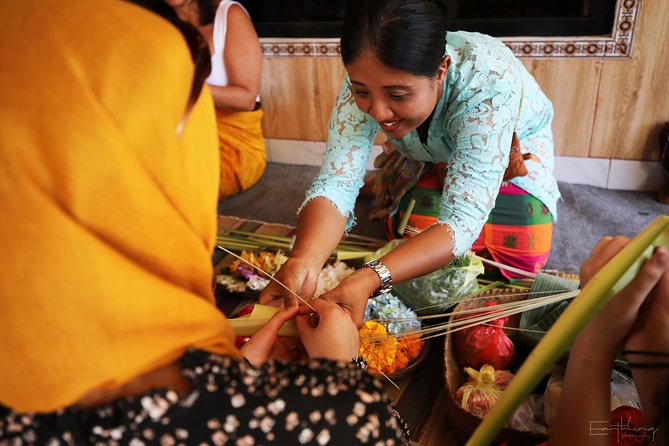
One of the most useful parts of the day is learning to make canang sari, the small daily offerings used in Balinese Hindu practice. You do not simply hear that offerings are important. You get to see the care involved and try the process yourself.
This hands-on activity gives you a better way to understand Balinese spirituality. The offerings are part of everyday life, and learning about them shows how faith reaches into homes and routines. You also gain context for the small baskets and flower arrangements you will see around Bali during the rest of your trip.
The activity should appeal to anyone who likes learning by doing. It may be less satisfying if you prefer major sights and quick explanations, since the pleasure is in the process. The supplied details do not specify how long the offering lesson lasts or exactly which materials you will use, so do not expect a formal craft workshop with a detailed timetable.
What you can expect is a simple, grounded lesson led by people who understand the practice firsthand. That is worth more than a generic explanation because you can connect the object to the home, the family, and the temple visit that follows.
A few more tours worth putting side by side
- Nusa Penida day trip: boat, 4 snorkeling, Manta rays & Land tour
★ 5.0 · 2,033 reviews - Bali Nusa Penida West Private All-Inclusive Tour
★ 5.0 · 1,277 reviews - Mount Batur Sunrise Trekking Private Tour with Breakfast and Hotel Transfer
★ 5.0 · 885 reviews - Individual Bali Day Trip with Private Driver and Free WiFi
★ 5.0 · 755 reviews
Lunch at a scenic warung
Lunch is included and takes place at a scenic warung, a casual local eating place. This is a welcome part of the schedule. After the morning’s cultural activities, you get time to sit down, eat typical food, and continue the conversation in an informal setting.
The food is described as delicious in the supplied feedback, and Balinese cakes are part of the earlier morning welcome. The exact lunch menu is not provided, so you should not book this expecting a specific dish or a choice of set meals.
The warung setting also fits the tone of the day. You are not being rushed through a hotel restaurant or a tourist buffet. A local eating place gives you a more ordinary view of how meals fit into village life, even if the scenery and meal arrangements can vary.
If you have food restrictions, ask the provider before the day begins. The available details do not state that special diets can be handled, and the tour does not promise a particular menu.
Holy water, a waterfall, and caves
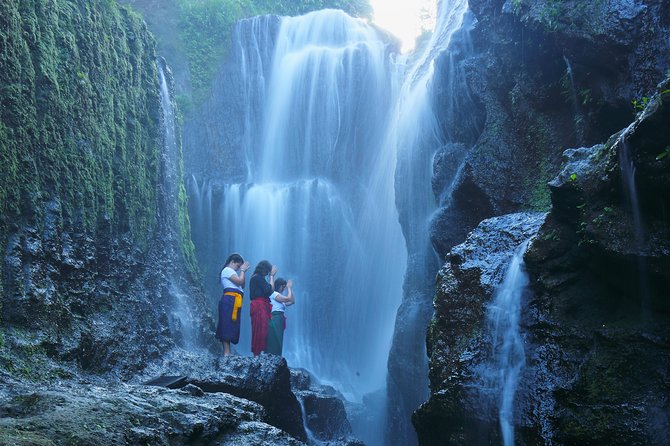
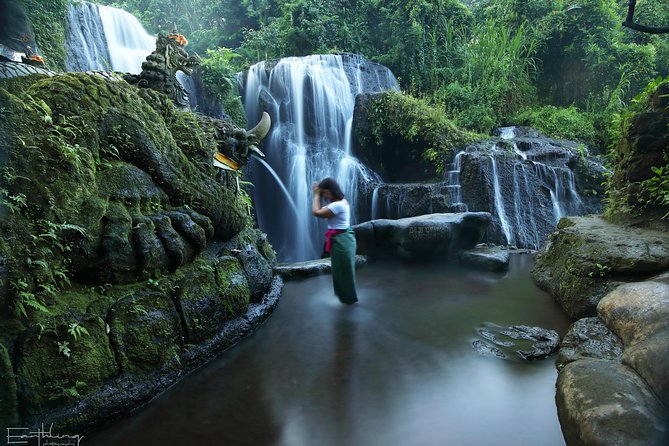
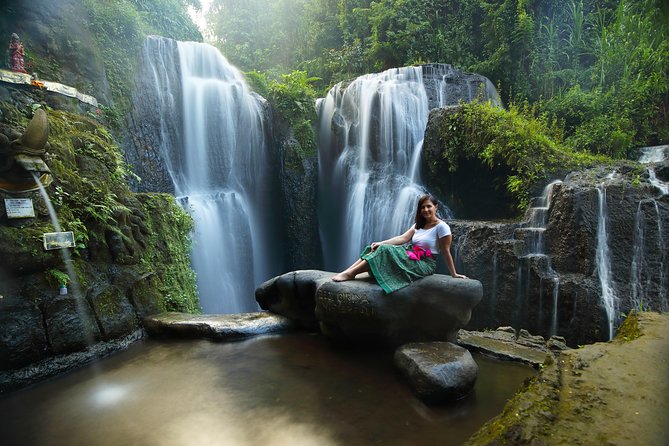
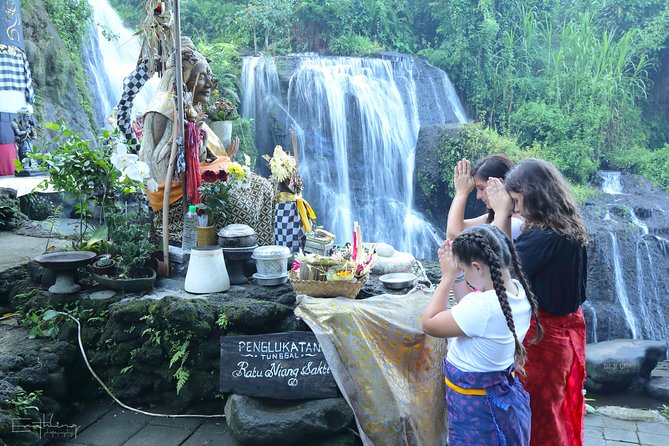
After lunch, the experience continues to a sacred water temple for a blessing ritual. The visit is described as taking place at a beautiful waterfall and caves, giving this part of the day both spiritual and natural appeal.
The cleansing ceremony is a highlight for many people who want more than a look at temple gates. You receive guidance through the ritual, which is especially helpful if you are unfamiliar with Balinese Hindu customs. One family found the children enjoyed taking part, while another described the stop as a very special experience shared between a parent and daughter.
You should approach the blessing with respect. This is a religious ceremony, not a theme park activity. Listen to Eric’s instructions, follow local customs, and take photographs only when appropriate. The supplied information does not explain the exact clothing requirements, water conditions, or whether every participant must enter the water, so ask before the ritual if you have concerns.
The waterfall and caves add visual interest, but the temple visit is the main reason to value this stop. You get a chance to connect the ideas discussed at the family compound with an active place of worship. The sequence works well: first learn about home practice, then see how faith is expressed at a sacred site.
What the $70 price really covers
At $70, this is not the cheapest way to spend a day in Bali. You could visit public sights for less if you arrange your own transport and meals. But the comparison is not quite fair, because this experience includes several services that are easy to underestimate.
The price includes pickup and drop-off for most south Bali hotels, a guide, entry for the listed activity, morning tea with cakes and coffee, lunch, the family visit, the offering lesson, and the temple experience. You are also paying for access to a personal village connection, something you cannot reproduce simply by hiring a car and driving around Pacung Sangeh.
I see the value most clearly if you are staying in a resort and want a meaningful cultural day without planning every step. Transport alone can take effort, especially when you are unfamiliar with Bali’s roads and meeting points. The small group limit makes the price more attractive because you are not paying for a large, impersonal coach outing.
The value is weaker if you mainly want dramatic sightseeing. The day’s strongest features are the guide, the family welcome, the food, and the rituals. If those sound secondary to beaches, waterfalls, or famous temples, a standard sightseeing tour may suit you better.
Who should book this Balinese village day
I would recommend it most strongly to:
- Families who want an activity children can take part in
- First-time visitors seeking context for Balinese Hindu customs
- Couples or friends who prefer local interaction to a packed sightseeing schedule
- People staying in south Bali who value included hotel transfers
- Anyone interested in food, home life, and religious practice
The experience also suits a parent and adult child, as the shared ritual and meal create plenty of time for conversation. It is a good contrast to a resort stay, especially if most of your Bali plans involve pools, beaches, and hotel restaurants.
You may want to skip it if you dislike structured cultural activities, prefer complete independence, or feel uncomfortable entering a private family home. The day is also a poor match for someone who wants to visit many separate sights in seven hours.
Most travelers can participate, and service animals are allowed. The group maximum is 10 people, but the supplied details do not list specific provisions for mobility limitations or state whether the waterfall and temple area are step-free. Ask the provider directly if access is a concern.
Timing, booking, and the one serious drawback
The biggest practical warning is the cancellation rule. The experience is nonrefundable and cannot be changed for any reason after booking. If your Bali schedule is still shifting, wait before committing.
Confirmation is sent within 48 hours, subject to availability. The tour also requires a minimum number of participants. If the minimum is not reached and the activity is canceled, you are offered another date or experience, or a full refund.
That policy is stricter than many visitors expect, so read it carefully before purchase. It is especially important if you are booking around flights, domestic transfers, or uncertain hotel plans.
The other consideration is the fixed morning start. An 8:30 am pickup means this is not a sleep-in day, and the total program can occupy about seven hours once transfers are included. In exchange, you get a full cultural outing without having to arrange several separate bookings.
My verdict on this Pacung Sangeh experience
Book this tour if you want to understand Bali through a family home, local food, handmade offerings, and a guided temple ritual. Eric’s connection to Pacung Sangeh and the small group size give the day a personal quality that a standard sightseeing circuit often misses.
I would not book it for the scenery alone, or if you need flexible cancellation. But for families, first-time visitors, and anyone who wants a thoughtful break from the resort zone, the $70 price is fair. Set aside the whole day, bring patience and respect, and you should come away with a clearer sense of how Balinese belief shapes ordinary life.
FAQ
Where does the Balinese Village Experience take place?
The experience takes place in Pacung Sangeh village near Bali, with the tour listed from Kuta.
How long does the experience last?
The full experience lasts approximately seven hours. The village activity itself is listed as about four hours.
What time does the tour start?
The scheduled start time is 8:30 am.
Is hotel pickup available?
Yes. Pickup and drop-off are offered for most south Bali hotels.
What is included in the experience?
The day includes two-way transfers, a local guide, morning tea with Balinese cakes and coffee, lunch, the village visit, canang sari offering preparation, and a sacred water temple visit.
Is lunch included?
Yes. Lunch at a scenic warung is included.
How many people can join the tour?
The group has a maximum of 10 participants.
Can children take part?
Most participants can join, and the experience has been suitable for families with children. The available information does not state a minimum age.
Are service animals allowed?
Yes. Service animals are allowed.
Can I cancel or change my booking?
No. The experience is nonrefundable and cannot be changed for any reason. If the provider cancels because the minimum number of participants is not met, you are offered another date or experience, or a full refund.
Newest reviews from Kuta
- Ubud Combine Mount Batur Kintamani Tour★ 5.0 · 7 reviews
- Excellent day tour Nusa penida★ 5.0 · 7 reviews
- Best Bali Ubud Full Day All-Inclusive Private Tour★ 5.0 · 7 reviews
- Best of Bali : Ubud, Rice terrace, Tanah lot temple with Lunch★ 5.0 · 7 reviews
- Private Ubud Tour with Hidden Waterfalls★ 5.0 · 7 reviews
- Private Arrival Transfer: Bali Airport to Kuta, Legian, Seminyak and Nusa Dua★ 5.0 · 7 reviews
- Private 4-Day Tours – Best Bali Tours Package – Best of Bali Highlights★ 5.0 · 7 reviews
- Ubud Tour with Jungle Swing and Waterfall Water Temple★ 5.0 · 7 reviews
Traditional Village Tours, compared.
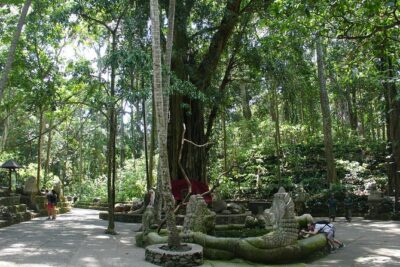
Bali Full-Day Traditional Village Sightseeing Trip All Inclusive
Read our review →
Full Day Kintamani Volcano View and Ubud Village Tour
Read our review →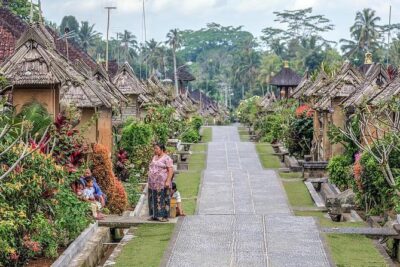
Trunyan Cemetery, Hot Spring, Penglipuran Village, and Waterfall Tour
Read our review →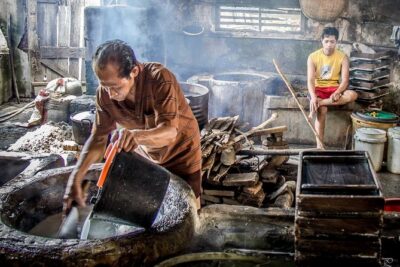
Borobudur: Village Tour with Pottery and Tofu Making
Read our review →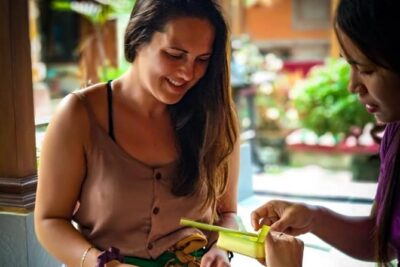
Pure Bali Village Experience, Cooking & Jamu Class+VIP Transfer
Read our review →
Lombok Private Tour Waterfall And Traditional Village Including Beach
Read our review →
Bali ATV Ride On the Beach, Rice Field and Village Tour 2 Hour
Read our review →Browse the lists this tour appears in