
Reviewed · WATERFALL TOURS
Beji Griya Waterfall Bali Spritual Holy Bath Experience
Sacred water, quiet reflection, and a little Bali ceremony. The Beji Griya Waterfall experience gives you a private visit to a holy waterfall near Ubud, where a Balinese priest guides your group through a melukat purification ritual. I like the combination of a private priest-led ceremony and simple door-to-door transport from Ubud or Sanur. The price also covers the offerings, sarong, locker, towel, entrance fee, and drinks, which makes the $45 cost easier to justify.
I also like that this is not only a photo stop. You are given a role in a living Balinese practice, with coconut water, offerings, and a priest leading each stage. The main consideration is that the setting may feel more organized for visitors than a private local temple ceremony, and women who are menstruating are not allowed to take part.
In This Review
- Key details at a glance
- What the Beji Griya ritual means
- Arriving at Beji Griya Waterfall
- Entering the waterfall temple
- How the melukat ceremony unfolds
- The value of a private group
- What is included for $45
- The guides can shape the whole day
- Taking photos without missing the point
- Cultural respect and the important restrictions
- Who should book this experience
- Should you book Beji Griya Waterfall?
- FAQ
- Where is the Beji Griya Waterfall experience located?
- How long does the experience last?
- What is the price?
- Is the tour private?
- Is transportation included?
- What does the purification ceremony include?
- Are towels and lockers provided?
- Is lunch included?
- Can women join while menstruating?
Key details at a glance
- A two-hour sacred-water visit: The main activity at Beji Griya Waterfall lasts about two hours, within a tour of roughly three hours.
- A private group setting: Only your own group participates, so you do not share the ritual with a large tour party.
- A Balinese priest leads the melukat: You receive guidance through the purification process rather than trying to guess what to do.
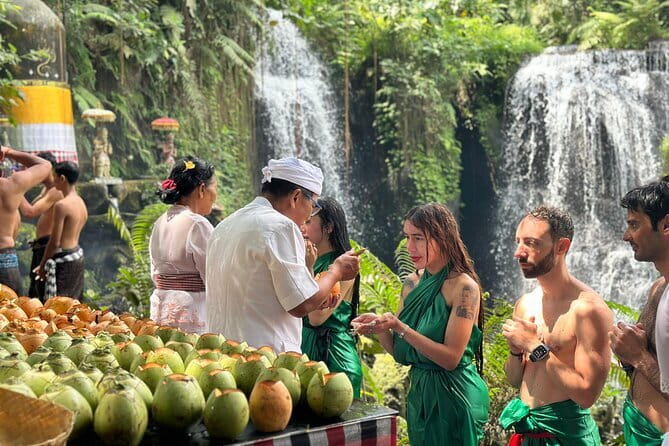
- Useful inclusions: Your fee covers entrance, offerings, a sarong, towel, locker, coconut for the blessing, and coffee or tea.
- Pickup from Ubud and Sanur: Private transportation and an English-speaking driver make this easy to fit into a wider Bali day.
- A beautiful but debated setting: The waterfall is striking, though some people may find the visitor setup less private or traditional than expected.
What the Beji Griya ritual means
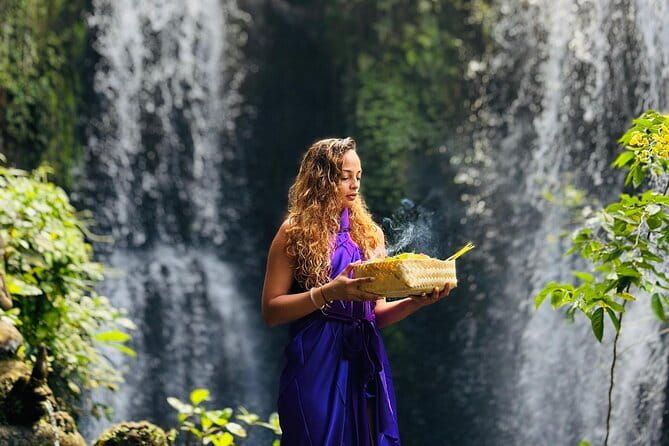
Melukat is a Balinese purification ceremony using holy water to cleanse the mind and soul. It is connected with the idea of releasing spiritual burdens, clearing blockages, and restoring balance. You should approach it as a religious practice, not as a spa treatment with a waterfall backdrop.
That distinction matters. The physical act is simple: water, prayer, offerings, and guidance. The meaning comes from the setting and the way the ceremony is carried out. A priest helps you understand the sequence, and the included offerings are prepared for the ritual rather than left for you to arrange on your own.
You do not need to arrive with a detailed knowledge of Balinese Hinduism. The guide and priest are there to explain what happens. Still, I would arrive with a respectful attitude and a willingness to follow instructions quietly. This is not the place for loud joking or treating every moment as a staged photo opportunity.
The experience has received a 4.7 rating from 16 published ratings, with 94 percent recommending it. Praise centers on the calm atmosphere, the guides, and the sense of renewal people take away. At the same time, you should know that one account found the place too commercial and felt it had lost some of its spiritual character. That is a fair concern to keep in mind.
More waterfall trips in Ubud:
- Best of Bali Waterfalls: Tibumana, Tukad Cepung and Tegenungan
★ 5.0 · 3,047 reviews - ATV Quad Bike Through Tunnel and Waterfall in Bali
★ 5.0 · 2,098 reviews - ATV Quad Bike Bali with Waterfall Gorilla Cave and Lunch
★ 5.0 · 1,925 reviews
Arriving at Beji Griya Waterfall
Your day begins with pickup in a private vehicle from an address in the Ubud or Sanur area. The English-speaking driver handles the transport, so you do not need to arrange a separate taxi, find the entrance, or work out how to return to your hotel.
This is one of the tour’s strongest practical features. A spiritual ceremony can lose some of its calm if you spend the morning negotiating transport or watching the clock for a ride back. With private transfers, you can continue your Bali plans afterward without the usual transport puzzle.
The tour lasts about three hours overall, with approximately two hours at Beji Griya Waterfall. The exact rhythm of the day may depend on pickup location and the flow of the ceremony, so avoid scheduling a tightly timed activity immediately afterward.
You are given a sarong for the ritual, along with a locker and towel. That makes the visit easier, especially since the ceremony involves holy water rather than simply standing beside the falls. Coffee or tea is also included, a small but welcome touch after the bathing portion.
Entering the waterfall temple
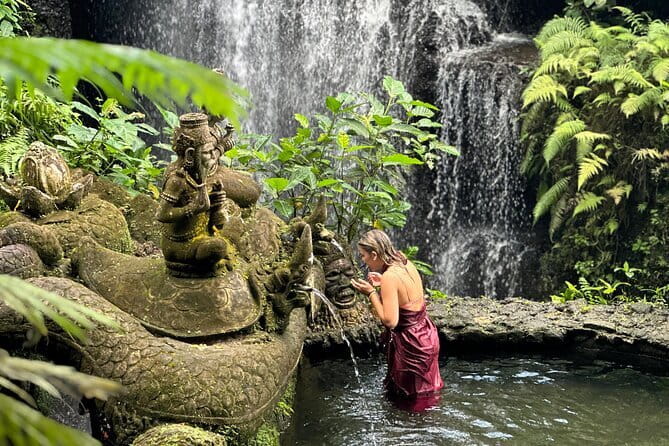
Beji Griya is presented as a sacred waterfall temple and a place used by local pilgrims. The setting combines tumbling water, stone temple features, and a strong sense of ceremony. You may see local religious activity alongside organized visits, which is part of what gives the place its character.
The waterfall is also a major part of the visual appeal. You can take photographs in a sarong near the falling water, and the setting provides the kind of memorable Bali images many people hope to bring home. I would put the camera away for the actual prayer and purification stages, then take pictures before or after when the guide indicates it is appropriate.
The phrase hidden gem is often used too freely for Bali attractions, so I would be more precise here: Beji Griya is a beautiful sacred place that has become accessible to outside visitors. That accessibility is convenient, but it also means you should not expect complete solitude or an untouched religious setting.
If you want a private, silent encounter with nature, this may not fully meet your hopes. If you want a guided introduction to Balinese purification at a striking waterfall, it makes more sense.
How the melukat ceremony unfolds
The priest leads your group through the purification process. Your package includes the offerings needed for the ceremony, so you are not left to figure out what to buy or how to prepare it.
The process is intended to cleanse the mind and soul through holy water. The water is not presented merely as a refreshing swim. It carries religious meaning, and the ceremony gives you a structured way to pause, reflect, and let go of stress or tension.
A coconut is included for the water blessing. This detail helps show that the ritual is more than a simple waterfall bath. You are taking part in a set of actions with religious purpose, guided by someone familiar with the tradition.
The guide’s role matters just as much as the priest’s. Several strong accounts praise Gusti for being kind, responsive, and clear about what to expect. He is also credited with explaining Balinese culture during the drive and helping people feel comfortable during the ceremony. One person even described him as going out of his way to add a coffee plantation visit, though you should not assume that extra stop is part of every booking.
The most useful expectation is this: you will be guided, but you should still be prepared to listen and take the ceremony seriously. You are not being asked to perform a complicated religious rite without help, but neither are you simply buying a quick photo session.
A few more tours worth putting side by side
- All-Inclusive Ubud Private Tour
★ 5.0 · 14,344 reviews - Best of Ubud Full-Day Tour with Jungle Swing
★ 5.0 · 8,571 reviews - Ubud: Monkey Forest, Jungle Swing, Rice Terrace, and Water Temple
★ 5.0 · 7,160 reviews - Best of Ubud 1-Day Private Tour
★ 5.0 · 4,451 reviews
The value of a private group
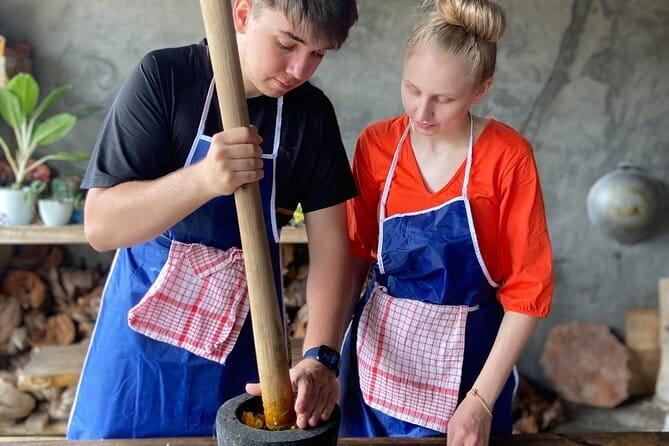
The private format is a real advantage. Only your own group takes part, which gives you more room to ask questions and follow the ceremony at a comfortable pace. It also reduces the awkwardness of sharing a personal ritual with a coachload of strangers.
Private does not necessarily mean secluded. The waterfall temple can still have other activity around it, and one negative account raised concerns about commercialization. The benefit is control over your own group, not a guarantee that no one else will be present.
This format works particularly well for couples, families, or friends who want to share a reflective moment. It also suits solo visitors who prefer having a guide nearby rather than trying to navigate a temple ritual alone.
The private setting makes the $45 price easier to understand. You are paying for transport, entrance, ritual materials, priestly guidance, and the convenience of a small personal arrangement. A basic waterfall visit would cost less, but it would not provide the same structure or included services.
What is included for $45
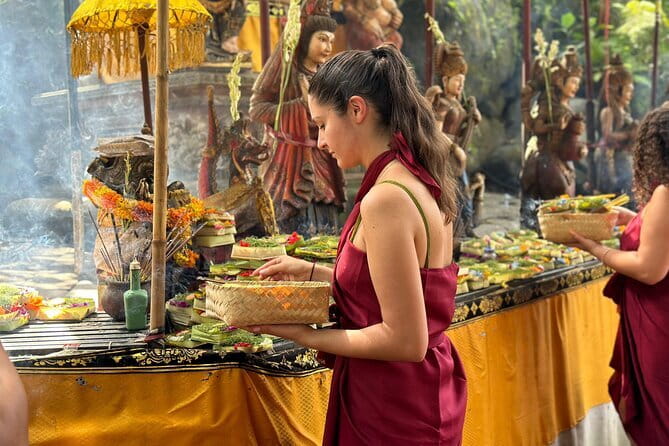
At $45 per person, the experience sits in the middle range for a short Bali activity. The value depends on how much you would otherwise pay for transport and how important the guided ritual is to you.
Included in the price are:
- Private transportation
- An English-speaking driver
- Entrance admission
- Offerings for the ceremony
- A priest to guide the purification
- Coconut for the water blessing
- Sarong
- Towel
- Locker
- Coffee or tea
Lunch and personal expenses are not included. Since the activity lasts about three hours, this is not a full-day tour and you should plan your own meal before or after it.
For me, the strongest value comes from the bundled practical details. The towel, locker, sarong, and transport save you from arranging several small things separately. The priest is the part that gives the activity its purpose. Without that element, you would simply be visiting a waterfall with religious associations.
You should also consider the private vehicle as part of the price. Ubud and Sanur traffic can make even short journeys take time, and having transport included is useful if you are building a full day around the ceremony.
The guides can shape the whole day
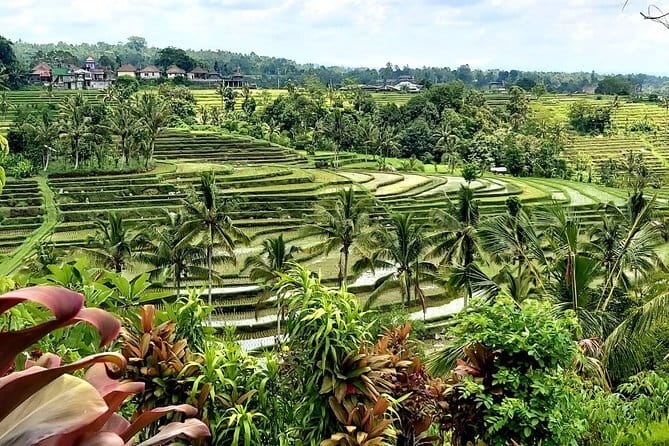
The most consistent praise is directed at Gusti. He is described as friendly, humble, responsive, and professional, with a gift for explaining Bali’s culture and landmarks during the drive. Those qualities matter here because the ritual may feel unfamiliar at first.
A good guide does not turn the ceremony into a lecture. Instead, he can explain enough so you know why you are being asked to do something and when to pause. That helps you take part with confidence rather than copying everyone around you.
The driver may also become your main cultural contact for the day. Use the ride to ask practical questions about the ceremony, local customs, and what respectful behavior looks like. The information provided does not promise extra sightseeing, so treat any additional stop or detour as a possible bonus, not part of the core booking.
The priest and driver have different jobs. The driver helps you understand the broader setting and keeps the day moving. The priest leads the religious act. Both roles contribute to the experience, but they should not be confused.
Taking photos without missing the point

The waterfall and sarong provide strong photo opportunities. You can capture memorable images amid the falling water, and the clothing helps mark the visit as a ceremonial occasion rather than an ordinary swim.
Still, the best photos are not the only measure of the day. If you focus too much on posing, you may reduce a meaningful ritual to a costume change beside a waterfall. I would follow the guide’s lead and take pictures around the ceremony instead of interrupting it.
A sarong is included for use during the activity. This is practical and culturally appropriate, but remember that temple clothing is not just a prop. Wear it respectfully and follow instructions about where and when it should be used.
If you are hoping for a completely private photo shoot, this experience may not be ideal. It is a religious visit first, with photography as a secondary benefit.
Cultural respect and the important restrictions
This activity has a clear restriction: women who are menstruating are not allowed to join the ceremony. You should consider this before booking, since the policy affects participation rather than just comfort.
The broader lesson is to treat the ceremony as a religious practice with rules of its own. Listen carefully to the priest and driver, wear the provided sarong as instructed, and avoid treating the holy water as a regular recreational pool.
The presence of local pilgrims adds cultural weight, but it can also make the experience feel less like a private retreat. You are entering a place that matters to local people, so modest behavior and patience are essential.
The concern about commercialization deserves an honest place in your decision. Beji Griya is set up to receive outside visitors, and that can make the experience more accessible. It can also make the atmosphere feel managed or packaged. People seeking a highly personal, uncommercial religious encounter may find that disappointing.
Who should book this experience
I would recommend Beji Griya to you if you want an introduction to Balinese spirituality with clear guidance and private transportation. It suits people who enjoy cultural activities, couples looking for a reflective shared experience, and first-time visitors who want something beyond temples and scenic viewpoints.
It is also a good match if you value convenience. The driver, entrance ticket, priest, offerings, sarong, towel, locker, and drink are already arranged, leaving you free to concentrate on the ceremony.
You may want to skip it if you are mainly looking for a quiet waterfall swim, a long nature outing, or an entirely spontaneous local ritual. The visit is structured, and the religious side is central.
Book at least a little ahead if possible. The activity is booked an average of 35 days in advance, which suggests that popular dates can fill early. You receive confirmation at booking, and the activity is private for your group.
Free cancellation is available up to 24 hours before the start time. Cancellations or changes made inside that period are not refunded or accepted. The activity depends on good weather and a minimum number of participants, so a weather or minimum-number cancellation can lead to a new date, another experience, or a full refund.
Should you book Beji Griya Waterfall?
Book it if you want a guided melukat ceremony, a beautiful waterfall setting, and a simple private arrangement from Ubud or Sanur. The $45 price is reasonable because it includes far more than admission: transport, ritual supplies, priestly guidance, changing essentials, and a drink.
Go with realistic expectations. This is an accessible spiritual experience, not a secret ceremony known only to local families. The place may feel commercial to some people, but the ritual can still offer a meaningful pause if you treat it with respect.
The strongest reason to book is the personal guidance, especially if Gusti is assigned to your group. The strongest reason to hesitate is the possibility that the organized visitor setting will not match your idea of a secluded sacred place. If you can accept both sides, Beji Griya offers a thoughtful and memorable way to encounter Balinese spirituality.
FAQ
Where is the Beji Griya Waterfall experience located?
The experience takes place at Beji Griya Waterfall in Bali, with pickup offered from addresses in the Ubud and Sanur areas.
How long does the experience last?
The full activity lasts approximately three hours. The visit to Beji Griya Waterfall itself is listed as about two hours.
What is the price?
The listed price is $45 per person.
Is the tour private?
Yes. It is a private activity, and only your own group participates.
Is transportation included?
Yes. Private transportation and an English-speaking driver are included, with pickup offered from the Ubud and Sanur areas.
What does the purification ceremony include?
The package includes offerings, a sarong, and a priest who guides the melukat purification ceremony. A coconut for the water blessing is also included.
Are towels and lockers provided?
Yes. The experience includes use of a towel and locker, along with the sarong.
Is lunch included?
No. Lunch and personal expenses are not included.
Can women join while menstruating?
No. The activity information states that women who are menstruating are not allowed to participate in the ceremony.
Newest reviews from Ubud
- Explore Rice Fields and Hidden Villages with Ubud E-Bike Tour★ 5.0 · 7 reviews
- Monkey Forest Ubud Half day Tour★ 4.0 · 7 reviews
- Private Tour: Heaven Gate Temple, Tirta Gangga and Blue Lagoon Snorkeling★ 5.0 · 7 reviews
- Ubud Monkey Forest Rice Terrace Temple Waterfall Private Tour★ 5.0 · 7 reviews
- UBUD : Temple and Waterfall All Inclusive Day Tour★ 5.0 · 7 reviews
- Bali – Silver Jewelry Making Class★ 5.0 · 7 reviews
- One way fast Boat between Padangbai and Gili Islands or Lombok★ 5.0 · 7 reviews
- Bali ATV Quad Bike and White Water Rafting – All Inclusive★ 5.0 · 7 reviews
Waterfall Tours, compared.
Best of Bali Waterfalls: Tibumana, Tukad Cepung and Tegenungan
Read our review →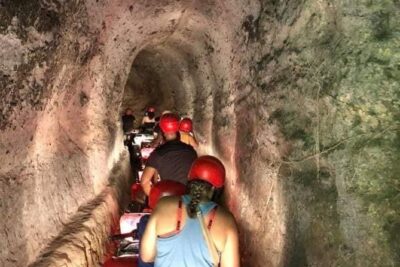
ATV Quad Bike Through Tunnel and Waterfall in Bali
Read our review →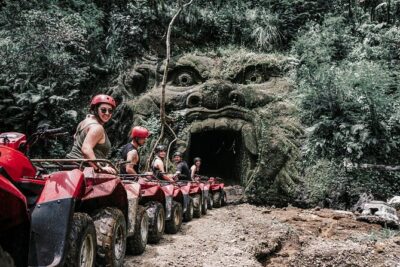
ATV Quad Bike Bali with Waterfall Gorilla Cave and Lunch
Read our review →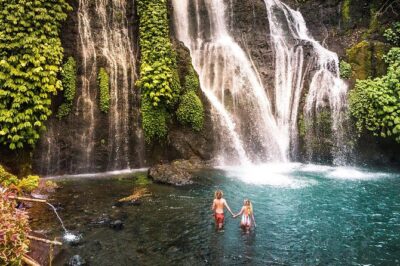
Bali Secret Waterfall Tour – Private and All-Inclusive
Read our review →Bali Quad Bike Pass by Waterfall Gorilla Cave Private Transfer
Read our review →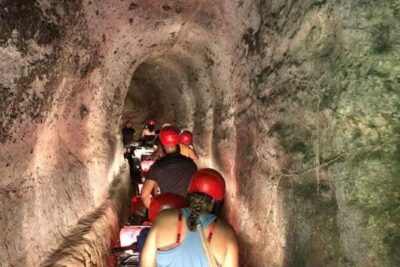
Bali ATV Quad Bike Through Tunnel, Waterfall, White Water Rafting
Read our review →
Blue Lagoon Snorkeling – Lunch – Kantolampo – Tibumana Waterfall
Read our review →
Monkey Forest, Water Temple, Rice Terrace, Waterfall
Read our review →Browse the lists this tour appears in