
Reviewed · MOUNT RINJANI TREKS
Explore Mount Rinjani To Summit, Lake & Hot Spring (3D 2N)
Rinjani rewards strong legs. This three-day trek packs Lombok’s great mountain highlights into one demanding route: a crater rim sunset, a summit sunrise, the blue crater lake, and a short soak in hot springs. I like the full summit-and-lake route, and I like that porters carry the cooking and camping equipment while an English-speaking guide leads the way. The main catch is simple: this is not a gentle nature walk. You need good fitness and previous mountain experience.
The package also earns praise for its food, clear briefings, and helpful guides. Names associated with the team include Ali, Dadung, Sli, Wan, Deni, Lim, and Adi, though your assigned guide may differ. I would pay close attention to the equipment list, because headlamps, trekking shoes, rain gear, gloves, personal luggage porters, transport, and the mountain entrance fee cost extra or are not included.
In This Review
- Key points at a glance
- What the 3D/2N Rinjani route really involves
- Day one: Sendang Gile, Tiu Kelep and the climb toward the crater
- Night one and the pre-dawn summit push
- Day two: descending to Segara Anak crater lake
- A short hot spring stop after the lake
- Day three: four to five hours down to Senaru
- What the $180 price includes, and what it does not
- Food, guides and camp support
- Preparation: the gear and fitness test
- Weather, cancellation and practical planning
- Who should book this trek?
- Should you book the Mount Rinjani 3D/2N trek?
- FAQ
- How long is the Mount Rinjani trek?
- Where does the trek start?
- Where does the trek end?
- Is the summit included?
- Does the route visit the crater lake?
- Are the hot springs included?
- What fitness level is required?
- What equipment is provided?
- Is the entrance fee included?
- Is transport included?
- Can I cancel for a refund?
Key points at a glance
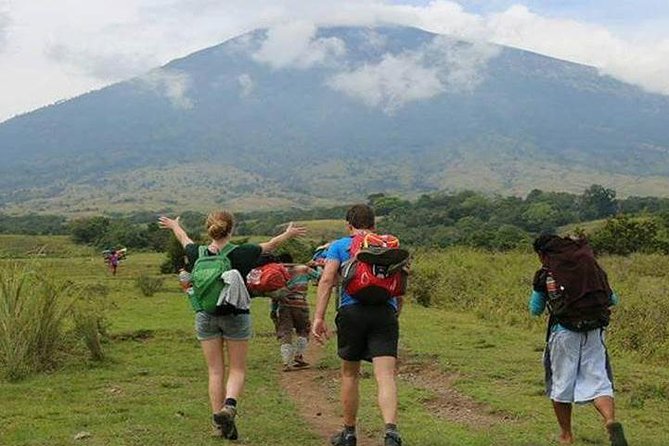
- Sunrise from Mount Rinjani’s summit: The hardest climb comes before dawn, but it gives you the best chance of seeing Lombok from the top.
- Two crater-rim camps: You watch sunset near the crater, then climb to the other side for another sunset after visiting the lake and hot springs.
- Lake and hot spring combination: The descent to the crater lake adds variety to the trek, while the hot springs offer a brief break for tired muscles.
- Porters carry camp equipment: Tents, cooking gear, food, water, sleeping bags, mattresses, pillows, and chairs are supplied, making your personal load more manageable.
- Food is a strong point: Several past participants specifically praised the variety and quality of meals prepared during the trek.
- A serious fitness test: The route is designed for experienced hikers, and the final descent to Senaru takes about four to five hours.
What the 3D/2N Rinjani route really involves
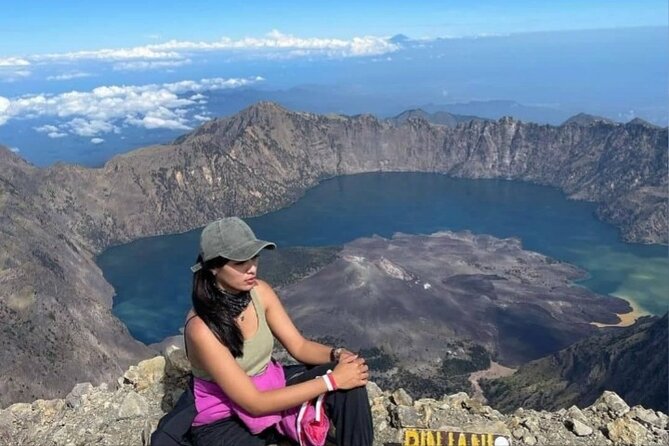
This is Mount Rinjani in a concentrated form. Over three days and two nights, you climb to the crater, camp high on the mountain, reach the summit for sunrise, descend to Segara Anak crater lake, visit the hot springs, climb back up to the opposite crater rim, and finish with a long descent to Senaru.
That list can sound tidy on paper. In practice, the route includes steep climbs, loose ground, early starts, and a lot of time on your feet. The tour information directly recommends it for experienced trekkers with several mountain climbs behind them. Take that advice seriously. Good general health is useful, but prior uphill and downhill experience matters just as much.
The reward is the range of scenery. You are not simply walking up and down one trail. The route shifts from forest and open mountain slopes to crater views, a volcanic lake, hot springs, and high ridges. Each section asks something different from your legs.
This is a private activity, so only your own group participates. That can make a big difference on a demanding climb. You can move with your guide and group rather than being placed with a large mixed crowd, although your pace still needs to be realistic for everyone in your party.
More Rinjani treks:
- Mount Rinjani 2 Days 1 Night Senaru Crater Rim
★ 5.0 · 131 reviews - 3D-2N Explore Mount Rinjani – Summit -Lake and Hotspring
★ 5.0 · 112 reviews - Rinjani trekking 2D 1N RIM
★ 5.0 · 94 reviews
Day one: Sendang Gile, Tiu Kelep and the climb toward the crater
The experience begins at Dhyns Rinjani Hiking in Senaru, in North Lombok. The named first stop is Sendang Gile and Tiu Kelep Waterfall, giving the opening part of the trip a softer start before the mountain work begins.
These waterfalls are a worthwhile addition because they make the first day more than a long uphill slog. You get moving through a natural setting before the main climb takes over. The supplied information does not give exact stop times, so you should ask the operator how long the waterfall visit lasts and when the mountain section begins.
After this opening stop, the trek heads upward toward the crater. You can expect the day to build gradually into a serious climb, with porters carrying the group’s cooking and camping supplies. Your own pack should still contain personal essentials, water, clothing layers, and any gear you need during the day.
The provided water allowance is three liters of mineral water per person per day. That is a useful inclusion on a hot, strenuous route, but you still need to drink regularly and manage your supply carefully. Do not assume the mountain will feel cool simply because you are gaining altitude.
The first night is spent in a tent near the crater area. The camping setup includes a tent, toilet tent, toilet paper, sleeping bag, mattress, pillow, and chair. Those small comforts matter after a long ascent. A chair is hardly a luxury at sea level, but after hours of climbing it can feel like excellent planning.
The first crater-rim sunset is one of the key moments of the trek. Weather controls the view, so it may be clear or cloudy, but the timing gives you a chance to rest and watch the light change before the summit attempt.
Night one and the pre-dawn summit push
The summit section is where you should judge your own readiness honestly. You leave camp early enough to reach the top for sunrise, climbing in darkness and then returning after the morning view. The exact departure time is not provided, so confirm it during the briefing.
A headlamp or hand torch is not included. This is one of the most important omissions in the equipment list. You need to bring your own or arrange one before setting out. A phone light is not a proper substitute for a long, steep mountain climb in the dark.
The summit route is physically demanding, and the tour description warns that it suits experienced hikers. Loose volcanic ground can make progress slow, and tired legs make the return trip harder than the upward push. You should not choose this package simply because the price looks attractive.
The summit payoff is the wide view from Mount Rinjani’s top. On a clear morning, you can see across Lombok and take in the crater setting below. The experience is less about reaching a neat viewpoint after an easy walk and more about earning a spectacular high point through a difficult effort.
Your guide’s role becomes especially important here. The team has been praised for patience and practical help, with Deni, Lim, Wan, and Adi among the guides singled out in past feedback. That does not guarantee a particular person for your group, so ask who will lead you and how many porters will accompany you.
The best approach is to treat the summit as one part of the whole route, not the only goal. If weather, fatigue, or safety makes the summit unwise, the crater, lake, and mountain camps still form a substantial trip. A good guide should help you make sensible decisions rather than push you past your limits.
Day two: descending to Segara Anak crater lake
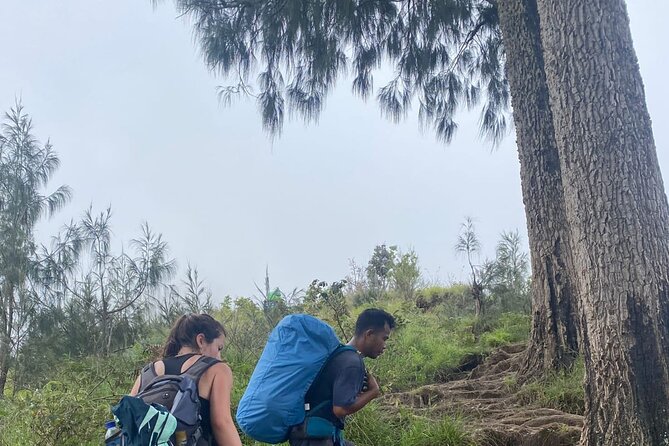
After the summit section, the trek turns downhill toward the crater lake. This is a major change in scenery and rhythm. You move from the high rim into the volcanic bowl, with the lake providing a striking focal point inside Rinjani’s crater.
The descent is not automatically easy. Downhill ground can be hard on knees and ankles, especially after the summit push. Trekking poles would be worth considering, although they are not listed among the inclusions. The route description schedules lunch by the lake, giving you a proper pause after the morning effort.
Food is one of the strongest parts of this trip. The camp cooks prepare meals throughout the trek, and past participants have praised both the quality and the range of dishes. One useful detail is that the food is not described as a basic single meal repeated each day. Instead, the team has been praised for serving varied dishes at different meals.
That matters on a mountain. A hot, filling meal can restore your energy far better than snacks alone. You should still bring personal snacks if you have dietary needs or strong preferences, since no specific dietary arrangements are stated.
The crater lake also gives you time to appreciate the scale of Rinjani. From the rim, the route offers a grand high view. Down by the water, the mountain feels more enclosing and substantial. This change is one reason I prefer the three-day route over a simple summit-only attempt.
More hot springs:
- 3D/2N Rinjani trekking summit,lake and hot springs.
★ 5.0 · 85 reviews - Mount Rinjani 3D2N Private Trek – Summit, Crater Rim & Hot Spring
★ 5.0 · 13 reviews - Body Massage Experience in Ubud Traditional Spa
★ 5.0 · 3,506 reviews - Mount Batur Sunrise Hike and Natural Hot Spring Option
★ 5.0 · 1,927 reviews
A short hot spring stop after the lake
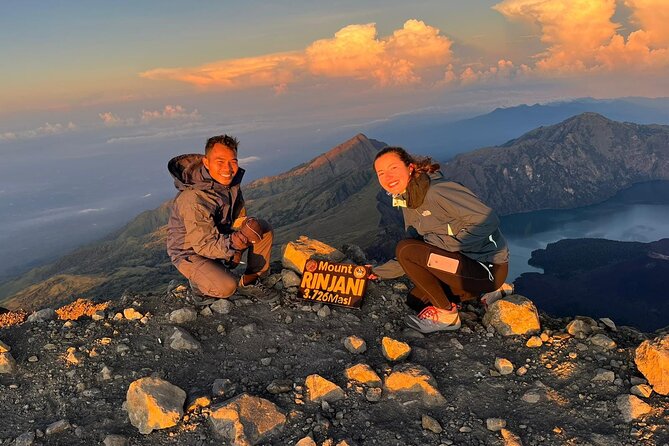
The hot springs come after lunch at the lake. The itinerary says you can enjoy them for a few minutes, so think of this as a brief rest stop rather than a long bathing session.
That short pause may be welcome after the summit and descent. It gives you a chance to ease tired muscles before the next climb, but it does not remove the hard work still ahead. The route continues upward again to the other side of the crater.
This is an important point for planning. Some people hear lake and hot spring and imagine a relaxed middle day. That is not what you are buying here. The hot springs are a pleasant interlude inside a demanding mountain circuit, not a replacement for recovery time.
After the springs, you climb back toward the opposite crater rim. The route then includes another sunset from high ground. That second rim camp makes the trip feel like a full crossing of Rinjani’s crater rather than a simple out-and-back journey.
You will probably notice the weight of the day by this point. The combination of pre-dawn summit walking, a long descent, a lake stop, and a second ascent demands steady pacing. Keep your own group together and tell the guide early if your knees, feet, or breathing are struggling.
Day three: four to five hours down to Senaru
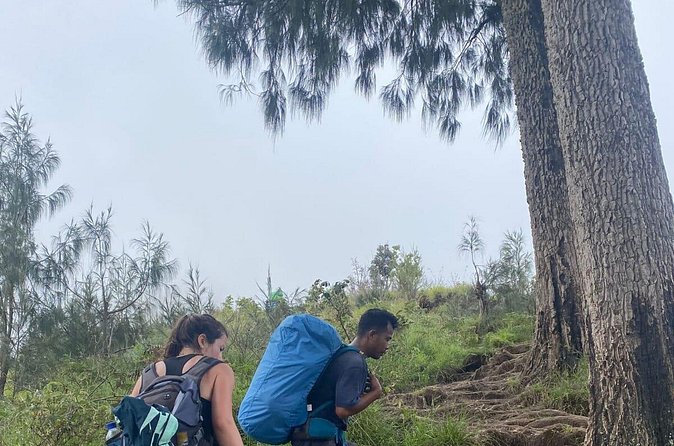
The final morning is devoted to returning to Senaru. The stated descent takes about four to five hours, which is a useful planning figure for transport or onward travel.
A long descent can be deceptively tiring. Your lungs may find it easier than the summit climb, but repeated downhill steps can punish knees and feet. Good shoes, dry socks, and sensible pacing matter here. Trekking shoes are not included, so you need to arrange your own footwear.
The activity ends back at the meeting point in Senaru. Pick-up before the trek and transfers afterward are not included, so you will need to arrange those separately. The operator can store luggage at the Dhyns Rinjani Hiking office, which is handy if you are carrying bags that do not belong on the mountain.
The program also includes a night of accommodation in Senaru before the trek. That night is not included in the price. Plan for it when comparing the total cost with other packages, especially if you are arriving from another part of Lombok.
What the $180 price includes, and what it does not
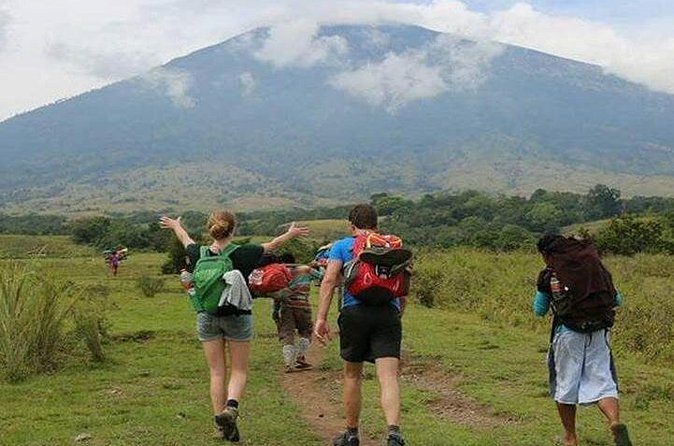
At $180 per person, the package offers solid value for a private three-day mountain trip if you already own the right gear and can manage your transport. Porters carry the cooking and camping equipment, an English-speaking guide leads the route, and your meals, drinking water, tent, sleeping system, and toilet tent are provided.
The included equipment is more generous than a bare-bones hike. You receive a sleeping bag, mattress, pillow, and chair, not just a tent and a guide. Food and three liters of mineral water per person per day are also built into the package.
The total price is higher than $180 once you add the mandatory entrance fee of IDR610,000 per person. You also need to budget for:
- Headlamp or hand torch
- Trekking shoes
- Rain jacket
- Long pants
- Gloves
- Personal day pack
- Extra porter for your own luggage
- Guide and porter tips
- Transport before and after the trek
- One night of accommodation in Senaru
The operator has rented extra warm layers for a small fee in some cases. Ask about current availability before you rely on that option. Mountain weather can change, and the supplied information does not promise that clothing rentals will always be available.
Group discounts are offered, which can improve the value for a private party. Since the activity is private, ask how the discount works for your group size rather than assuming it applies automatically.
Food, guides and camp support
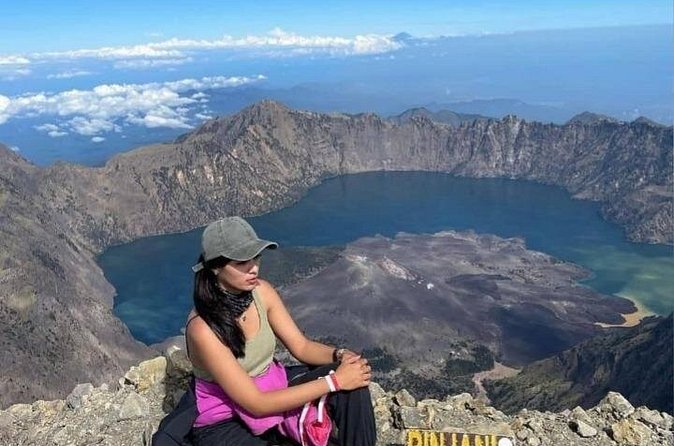
The strongest praise for this experience centers on the people and the practical support. The team has been described as professional from booking through transfers, with clear replies, a useful briefing, and a medical check before the hike.
The names Ali, Dadung, Sli, Wan, Deni, Lim, and Adi appear in positive accounts of the guiding and porter teams. Some guides were praised for patience, especially with first-time hikers in a group. Even though this route is aimed at experienced trekkers, patience is valuable when altitude, loose ground, and fatigue slow the pace.
Meals also receive unusually strong attention. The cooking is described as varied and exceptional, with different dishes served across the trek. That is a real benefit on a three-day climb, but it does not replace bringing snacks suited to your own needs.
There is also evidence of care for the mountain. The porter team has been praised for carrying rubbish down and collecting extra waste along the way. You should still carry your own rubbish and follow the guide’s instructions. On a popular volcanic route, small habits matter.
The porter arrangement needs careful explanation. Porters carry cooking gear and camping equipment, but an extra porter for your personal luggage is not included. Do not assume your full suitcase will be carried. Leave unnecessary belongings at the Senaru office and pack a manageable day bag.
Preparation: the gear and fitness test
I would prepare for this trek several days before arriving in Senaru. The most important work is not buying fancy equipment. It is making sure you can walk uphill, descend for hours, and repeat the effort after limited sleep.
You should have experience with several mountain climbs, as requested by the operator. If you are new to hiking, this is not the package I would choose for a first serious mountain trip. A shorter or less demanding route would be a safer introduction.
Your clothing should cover the listed needs: long pants, gloves, a rain jacket, and proper trekking shoes. Bring layers for changing conditions, but remember that extra warm clothing may be available to rent for a fee.
A headlamp is essential because the summit attempt takes place before sunrise. Pack spare batteries if your light uses them. Keep the lamp where you can reach it easily rather than buried at the bottom of your pack.
Your personal day pack should hold water, rain protection, warm layers, snacks, medication, and any items you need between camps. The included three liters of water per day is generous, but you still need a comfortable way to carry it.
Ask the organizer about the medical check and briefing before departure. Those steps have been praised as part of the preparation. Use the briefing to confirm the departure time, guide assignment, equipment rental, entrance fee, transport, and the expected pace.
Weather, cancellation and practical planning
Weather matters on Rinjani. If poor conditions force cancellation, you are offered another date or a full refund. The same applies if the minimum number of participants is not met, although this is a private activity and only your group participates.
You can cancel for a full refund up to 24 hours before the start time. Cancellations or changes made within 24 hours are not refunded or accepted. Cut-off times follow local time in Lombok.
Confirmation is provided at booking, and the meeting point is near public transportation. The start and finish are both tied to Dhyns Rinjani Hiking in Senaru, so make sure your arrival plan gets you there on time.
The average booking lead time is about ten days. That is not a rule, but it is a useful clue for planning. Give yourself time to arrange the Senaru night, transport, entrance fee, clothing, and headlamp rather than treating this as a last-minute walk.
Who should book this trek?
I would recommend it to fit hikers who want the complete Rinjani experience in a short period. You get the summit, crater lake, hot springs, two sunset opportunities, and a final descent to Senaru instead of seeing only one section of the mountain.
It suits a private group that values a dedicated guide and shared camp support. The food, water, tents, sleeping equipment, and porters carrying camp supplies reduce the amount of planning you must do yourself.
I would not recommend it to anyone who rarely hikes, dislikes steep descents, or expects a comfortable sightseeing tour. The hot spring stop is short, the summit attempt is strenuous, and the last day still requires four to five hours of downhill walking.
Should you book the Mount Rinjani 3D/2N trek?
Book it if you are an experienced hiker, want both the summit and crater lake, and are willing to sort out the missing gear and extra fees. At $180 per person, the included guide, porters, meals, water, camping gear, and private-group format make the package appealing.
Before paying, confirm the entrance fee, transport, Senaru accommodation, guide assignment, equipment rental, and headlamp arrangements. If your fitness is questionable, choose a less demanding plan. If your legs and preparation are ready, this route gives you a hard but rewarding view of Rinjani from several very different angles.
FAQ
How long is the Mount Rinjani trek?
The trek lasts approximately three days and two nights.
Where does the trek start?
The meeting point is Dhyns Rinjani Hiking in Senaru, Bayan, North Lombok Regency, West Nusa Tenggara.
Where does the trek end?
The activity ends back at the meeting point in Senaru.
Is the summit included?
Yes. The program includes a climb to Mount Rinjani’s summit, with the aim of seeing sunrise from the top.
Does the route visit the crater lake?
Yes. After the summit section, you climb down to the crater lake for lunch.
Are the hot springs included?
Yes. The itinerary includes a short visit to the hot springs after lunch by the lake.
What fitness level is required?
You need good fitness and several previous mountain climbs. The program is designed for experienced trekkers.
What equipment is provided?
The package includes a tent, toilet tent and paper, sleeping bags, mattresses, pillows, chairs, cooking equipment, and camping equipment. Porters carry the cooking and camping gear.
Is the entrance fee included?
No. The Mount Rinjani entrance fee is listed separately at IDR610,000 per person.
Is transport included?
No. Pick-up before the trek and transfers after the trek are not included.
Can I cancel for a refund?
You can cancel at least 24 hours before the start time for a full refund. Cancellations or changes made less than 24 hours before the start time are not accepted or refunded.
More 3-Day Experiences
- 3 Days and 2 Nights Summit Via Sembalun
★ 5.0 · 91 reviews - Rinjani Trekking 3D2N Summit
★ 4.5 · 85 reviews - Rinjani Trekking 3 Days 2 Nights (Sembalun – Senaru)
★ 5.0 · 84 reviews - Mount Rinjani 3D 2N Trekking
★ 5.0 · 75 reviews
Newest reviews from Lombok
- Explore Traditional Villages & to the South Coast★ 5.0 · 7 reviews
- Lombok Private Car Hire with Driver★ 5.0 · 7 reviews
- See The Stuning View Of Selong Hill And Tiu Kelep Waterfall★ 5.0 · 7 reviews
- Day Trip Secret Island West Of Lombok★ 4.5 · 7 reviews
- 3D 2N Mount Rinjani Trekking Tour To Summit And Lake★ 4.5 · 7 reviews
- MODERATE HIKING: 2D/1N Crater Rim Senaru | Rinjani Samalas Tour★ 5.0 · 8 reviews
- Popular Rinjani Trekking Tour Service To Summit For 2 Days Via Sembalun Trail★ 5.0 · 8 reviews
- Mount Rinjani 2D 1N trekking to summit★ 4.5 · 8 reviews
Mount Rinjani Treks, compared.
Mount Rinjani 2 Days 1 Night Senaru Crater Rim
Read our review →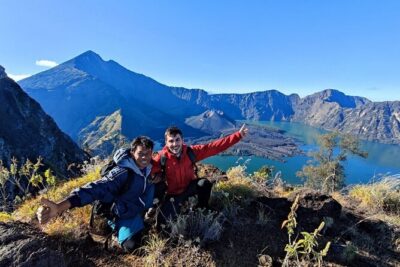
3D-2N Explore Mount Rinjani – Summit -Lake and Hotspring
Read our review →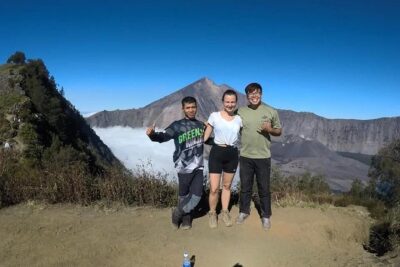
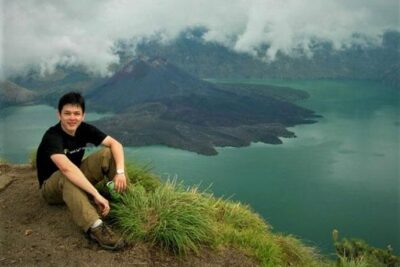
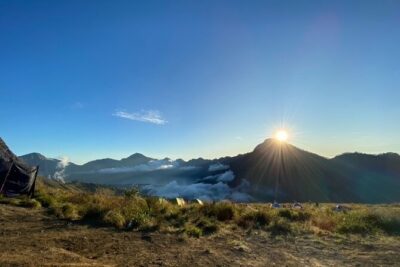
3D/2N Rinjani trekking summit,lake and hot springs.
Read our review →
Rinjani Trekking 3 Days 2 Nights (Sembalun – Senaru)
Read our review →
Browse the lists this tour appears in