
Reviewed · WATERFALL TOURS
Purification Holy Bath at Beji Gria Waterfall
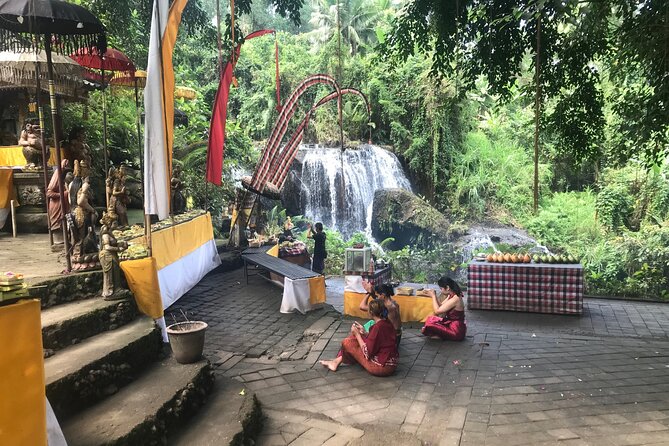
A waterfall can reset more than your camera roll. This experience combines Balinese purification rituals, quiet prayer, and a series of waterfall and spring baths at Beji Gria, with private hotel pickup and a local guide to explain each step. I like the personal transport and the careful sequence of the ceremony, especially the chance to pray with a temple priest, cleanse in natural water, and finish with coconut-water blessings. I also like that the experience is private, so you are not folded into a large tour group.
The main caution is that Beji Gria has a somewhat commercial side. The setting is beautiful, but you may be offered extra products or packages, and that can take some of the quiet out of the spiritual experience. The cold water, slippery paths, narrow canyon, and age and temple restrictions also mean this is not a casual sightseeing stop for everyone.
In This Review
- Key things to know before you book
- What the Beji Gria ceremony is really about
- Starting with private pickup from Ubud
- Walking into the canyon and first bath
- The small well and the second cleansing
- Letting go at the first waterfall
- Finding joy at the second waterfall
- The priest’s final coconut-water blessing
- What $59 buys you
- Who will enjoy this experience most
- What to pack for a wet spiritual activity
- Booking, timing, and cancellation
- Should you book Beji Gria Waterfall?
- FAQ
- How long does the Purification Holy Bath at Beji Gria Waterfall take?
- Is hotel transportation included?
- Is this a private tour?
- What does the holy bath ceremony include?
- Are offerings and ritual clothing included?
- What should I bring?
- Can children join the experience?
- Can women take part while menstruating?
- What is not included in the price?
- Can I cancel for a full refund?
Key things to know before you book
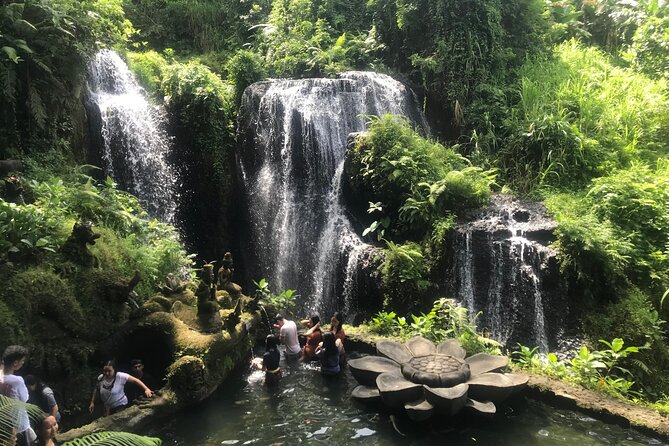
- The ceremony follows six clear stages: prayer, two cleansing baths, emotional release at one waterfall, joyful expression at another, and a final blessing.
- A temple priest leads the opening and closing: you begin with meditation or prayer and finish with holy water made from green and yellow coconut water.
- Your guide stays with you: the authorized local guide explains the ritual and may help capture photos on your phone.
- Private pickup adds real value: transport from your hotel and back is included, with roughly 30 to 60 minutes each way depending on traffic and location.
- The water experience is physical: you walk through a narrow canyon, enter cold water, and should bring a swimsuit and dry clothes.
- The rules matter: the minimum age is 10, the maximum is 60, and women who are menstruating cannot take part in the holy bath under the local temple policy.
What the Beji Gria ceremony is really about
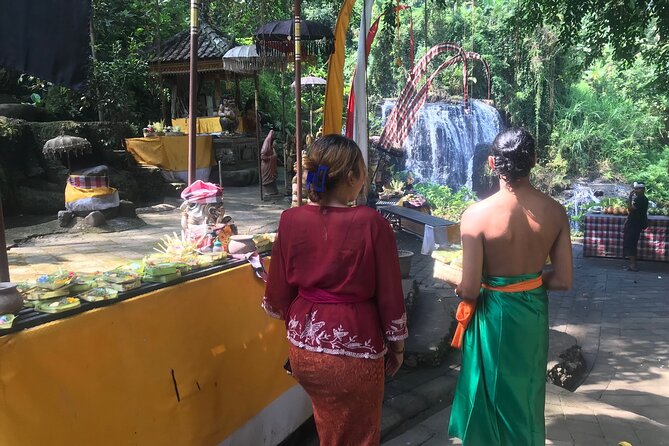
This is not simply a waterfall visit with a quick swim. The purpose is purification, or releasing physical and emotional heaviness through prayer, water, sound, and guided actions.
The ceremony has a pleasing rhythm. You do not have to guess what happens next, and the guide explains the meaning of each stage. That matters because some parts can feel unusual if you come from a different religious tradition. You are asked to express sadness loudly at one waterfall, then happiness just as openly at another. It can feel theatrical, but the structure gives you permission to set aside your normal self-consciousness for a while.
The experience begins with meditation and prayer led by a temple priest. This opening gives the activity a sense of purpose instead of making it feel like a photo stop. You are preparing mentally before entering the water.
The first bath takes place after you walk through a narrow canyon. Its stated purpose is to bring balance to your health. The second bath happens at a small well and is intended to cleanse your aura and help attract happiness and luck. These ideas are part of the spiritual framework of the ceremony, so you should approach them with respect rather than expect a medical treatment or guaranteed change in fortune.
The final blessing uses pure holy water taken from green and yellow coconut water. It is a memorable closing gesture and gives the ceremony a clear finish.
More waterfall trips in Ubud:
- Best of Bali Waterfalls: Tibumana, Tukad Cepung and Tegenungan
★ 5.0 · 3,047 reviews - ATV Quad Bike Through Tunnel and Waterfall in Bali
★ 5.0 · 2,098 reviews - ATV Quad Bike Bali with Waterfall Gorilla Cave and Lunch
★ 5.0 · 1,925 reviews
Starting with private pickup from Ubud
Bali Yowana Tour collects you from your hotel lobby and drives you to Beji Gria Waterfall. The journey takes about 30 minutes to one hour each way, depending on where you are staying and how traffic is moving.
I like this arrangement because transport in Bali can be tiring when you are unfamiliar with the roads. You do not need to arrange a separate taxi, find parking, or worry about getting back after wet clothes and a physically active ceremony. Parking is also covered.
The total time from pickup to return is about five hours, although the activity itself is listed at roughly three to four hours, with around two hours at the waterfall. Those figures are not quite identical, so plan the larger window. If you have a dinner reservation, airport transfer, or another fixed appointment, allow extra time for traffic.
The driver brings you to the site, and an authorized local guide meets you there. Drivers named in the feedback include Vito, who was praised for being early, friendly, helpful, and safe. That is useful practical information, though driver assignments can change.
Walking into the canyon and first bath
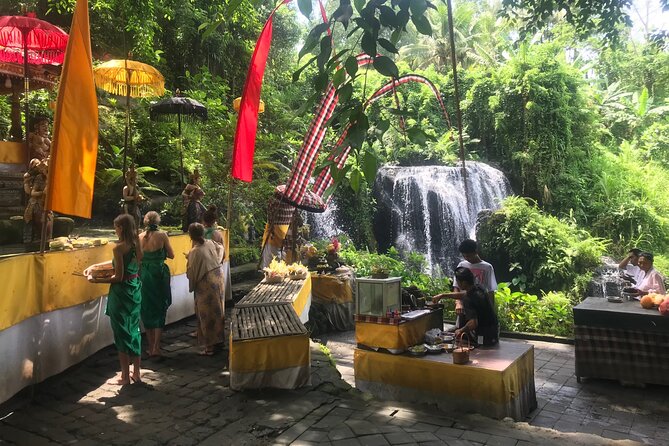
At Beji Gria, the guide accompanies you through the ceremony rather than leaving you to work things out alone. The first notable movement is through a narrow canyon, followed by the first holy bath.
The canyon gives the experience a more focused feeling. You are moving away from the ordinary rhythm of a hotel day and toward a place where the water and rock shape the ceremony. The first bath is connected with restoring balance to your health, making it the physical starting point of the purification process.
You should wear light, comfortable clothes and footwear suitable for wet conditions. The supplied information does not specify the exact surface or changing arrangements, so you should prepare for uneven, damp ground and bring a complete change of clothes. A swimsuit is specifically recommended.
The water can feel cold. That is part of the physical impact, but it may be a shock if you expect a warm spa treatment. Sunscreen, sunglasses, a hat, a water bottle, snacks, and a camera are also recommended. Keep personal items limited, since you will be moving around water.
The small well and the second cleansing
The second bath takes place at a small well. Its purpose is to cleanse your aura and help attract happiness and luck.
This stage is quieter in concept than the later waterfall exercises. You are moving from physical balance toward a symbolic clearing of negative energy. You do not need to share a particular belief system to find value here, but you should be open to participating respectfully in a ritual that has meaning within Balinese Hindu practice.
Your guide explains each step, which helps prevent confusion. Pandu is one guide specifically praised for explaining the experience well and taking beautiful photographs on a participant’s phone. Do not assume every guide will provide the same photography help, but it is worth asking politely if you want a few keepsake images.
Photography can be important here because the setting is designed to be visually striking. Still, do not let the camera take over. The ceremony asks you to take part, not just pose beside water.
A few more tours worth putting side by side
- All-Inclusive Ubud Private Tour
★ 5.0 · 14,344 reviews - Best of Ubud Full-Day Tour with Jungle Swing
★ 5.0 · 8,571 reviews - Ubud: Monkey Forest, Jungle Swing, Rice Terrace, and Water Temple
★ 5.0 · 7,160 reviews - Best of Ubud 1-Day Private Tour
★ 5.0 · 4,451 reviews
Letting go at the first waterfall
The most unusual stage asks you to release anxiety, tension, and sadness by screaming or crying as loudly as you can at the first waterfall.
For some people, this will be the most meaningful part. A guided act of release can help you name emotions that normally stay tucked away. For others, the idea may feel awkward, especially if other people are nearby or if the setting feels commercial.
You do not need to force an emotional response. The point is to take part sincerely, not to perform distress. A shout, a few quiet words, or simply a moment of reflection may feel more natural to you. Follow the guide’s instructions while keeping your own boundaries.
This is also where the difference between a sacred activity and a staged attraction becomes most noticeable. Beji Gria is maintained for visitors and has a tourism business around it. That does not erase the ritual, but it means you should expect a managed experience rather than solitude in untouched nature.
Finding joy at the second waterfall
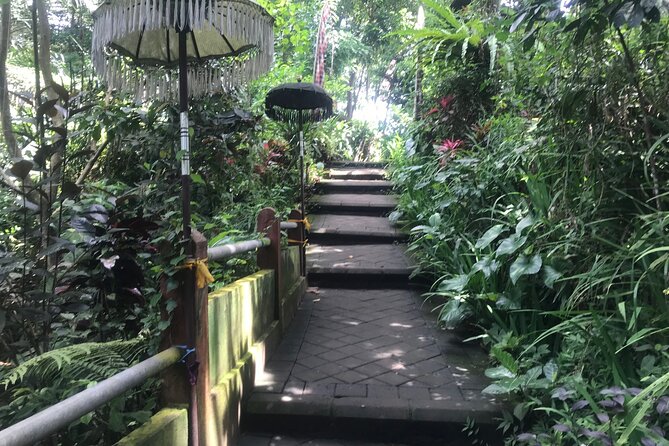
The next step reverses the mood. At the second waterfall, you express happiness by smiling and laughing as loudly as you can.
The contrast is clever. First you release sadness, then you make room for joy. It can feel playful, and it gives the ceremony a lighter finish before the final blessing. If you are traveling with a partner, friend, or family member, this may become one of the easiest moments to share.
The experience is not built around long explanations or academic lessons. Its strength is participation. You walk, pray, bathe, make sounds, and follow a sequence that turns the natural setting into a place for personal reflection.
That active format suits you if you want something more memorable than visiting another temple courtyard. It may not suit you if you prefer to observe quietly from the sidelines.
The priest’s final coconut-water blessing
The last step is receiving a blessing from the priest using holy water taken from green and yellow coconut water.
This closing moment gives the activity a sense of completion. You have passed through the canyon, entered the baths, released difficult feelings, and expressed happiness. The blessing is not an add-on. It completes the ceremony’s movement from preparation to cleansing to renewal.
You should treat the priest, offerings, incense sticks, sash, and cloth with care. These are included in the price, so you do not need to arrange the ritual items yourself. The special sash or cloth is provided for the holy bath, making it easier to follow local expectations without packing ceremonial clothing.
Respect is more important than getting every gesture perfect. Listen to the guide and priest, and ask if you are unsure what to do.
What $59 buys you
At $59 per person, the price is reasonable if you value private transport and a guided cultural activity. The package includes hotel pickup and drop-off, parking, an authorized local guide, offerings, incense sticks, and the sash or cloth required for the bath.
That bundle matters in Bali. A lower advertised rate can look attractive until you add transport, parking, offerings, and a local guide. Here, the main practical pieces are included.
The price does not cover food, drinks, or personal expenses. Bring a little cash, particularly if you want refreshments or encounter optional products and packages at the site. The commercial side is the main value concern. One participant felt the place was too commercial and disliked being approached about purchases. You can politely decline extras and keep your focus on the included ceremony.
Group discounts are available, although the details are not stated. Ask about the discount before booking if you are traveling with several people. Since the activity is private, only your own group takes part, which is a useful benefit for couples, families within the age limits, and small groups of friends.
The activity is booked an average of 34 days ahead, so do not leave it until the last minute if it is important to your Bali plans.
Who will enjoy this experience most
I would recommend Beji Gria to you if you want a structured cultural activity with a strong physical and emotional element. It works especially well for someone looking for a pause from sightseeing, a special occasion during a Bali trip, or a personal ritual connected with letting go and starting fresh.
It can also suit photographers. The waterfall setting is carefully presented, and the staff may help capture moments on your phone. Just remember that the ceremony comes first.
You should think twice if you dislike cold water, narrow paths, emotional group activities, or any suggestion of commercial add-ons. This is also not suitable for children under 10 or adults over 60 under the stated age policy.
Women who are menstruating cannot take part in the holy bath because of the local temple’s safety policy. This is a firm condition, so check your dates before booking and approach the rule with respect.
Most people can participate, but the activity is not described as fully accessible. If you have mobility concerns or difficulty walking through a narrow canyon, contact the operator before paying.
What to pack for a wet spiritual activity
Pack more lightly than you might for a normal day trip. You will want:
- A swimsuit and a full change of dry clothes
- Light, comfortable clothing
- Sunscreen, sunglasses, and a hat
- A water bottle and snacks
- A camera or phone in a waterproof case
- Some petty cash
The guide provides the sash or cloth and the necessary offerings, including incense sticks. Food and drinks are not included, so do not count on lunch being part of the experience.
Your phone may be useful for photos, but water and narrow passages create obvious risks. Keep it secure and ask the guide when photography is appropriate.
Booking, timing, and cancellation
Confirmation is provided at booking. Pickup is from your hotel lobby, and you should be ready at the agreed time because the drive can take up to an hour before the ceremony even begins.
Free cancellation is available if you cancel at least 24 hours before the start time. Cancellations within 24 hours are not refunded, and changes made inside that window are not accepted. The cut-off follows local Bali time.
Because the full outing can reach about five hours, schedule it as a half-day activity rather than a quick morning stop. Traffic can stretch both transfers, especially when your hotel is farther from Beji Gria.
Should you book Beji Gria Waterfall?
Book it if you want a private, guided Balinese purification ceremony rather than a standard waterfall visit. The strongest parts are the clear six-stage ritual, the priest-led prayer and blessing, the private transport, and the guide support from people such as Vito and Pandu.
Skip it if you want a quiet, uncommercial nature outing or if cold water and emotional expression sound uncomfortable. The $59 price is fair for the transport, guide, parking, offerings, and private format, but the experience makes the most sense when you value the ceremony itself, not just the scenery.
For the right person, Beji Gria offers a memorable reset with real structure and plenty of water. Go prepared, keep your expectations respectful, and treat the commercial extras as optional rather than part of the deal.
FAQ
How long does the Purification Holy Bath at Beji Gria Waterfall take?
The activity at the waterfall lasts about two hours. The full outing from hotel pickup to hotel drop-off takes around five hours, depending on your hotel location and traffic.
Is hotel transportation included?
Yes. Private pickup and drop-off from your hotel are included. Each transfer usually takes about 30 minutes to one hour.
Is this a private tour?
Yes. Only your group participates in the private tour or activity.
What does the holy bath ceremony include?
The ceremony includes meditation or prayer with a temple priest, a first bath through a narrow canyon, a second bath at a small well, emotional release at one waterfall, joyful expression at another waterfall, and a final blessing with holy coconut water.
Are offerings and ritual clothing included?
Yes. Necessary offerings, including incense sticks, are included. A special sash or cloth for the holy bath is also provided.
What should I bring?
Bring light clothing, a change of clothes, sunscreen, sunglasses, a hat or cap, a water bottle, snacks, a swimsuit, a camera, and some petty cash.
Can children join the experience?
The minimum age is 10 years old, and the maximum age is 60 years old.
Can women take part while menstruating?
No. Women who are menstruating are not permitted to take part in the holy bath under the local temple policy.
What is not included in the price?
Food, drinks, and other personal expenses are not included.
Can I cancel for a full refund?
Yes, if you cancel at least 24 hours before the experience start time. Cancellations or changes made less than 24 hours before the start time are not refunded or accepted.
Newest reviews from Ubud
- Explore Rice Fields and Hidden Villages with Ubud E-Bike Tour★ 5.0 · 7 reviews
- Monkey Forest Ubud Half day Tour★ 4.0 · 7 reviews
- Private Tour: Heaven Gate Temple, Tirta Gangga and Blue Lagoon Snorkeling★ 5.0 · 7 reviews
- Ubud Monkey Forest Rice Terrace Temple Waterfall Private Tour★ 5.0 · 7 reviews
- UBUD : Temple and Waterfall All Inclusive Day Tour★ 5.0 · 7 reviews
- Bali – Silver Jewelry Making Class★ 5.0 · 7 reviews
- One way fast Boat between Padangbai and Gili Islands or Lombok★ 5.0 · 7 reviews
- Bali ATV Quad Bike and White Water Rafting – All Inclusive★ 5.0 · 7 reviews
Waterfall Tours, compared.
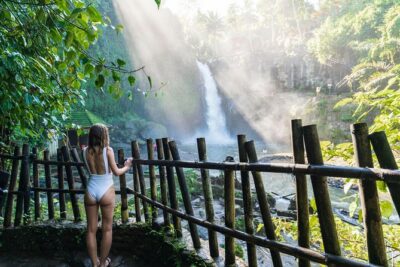
Best of Bali Waterfalls: Tibumana, Tukad Cepung and Tegenungan
Read our review →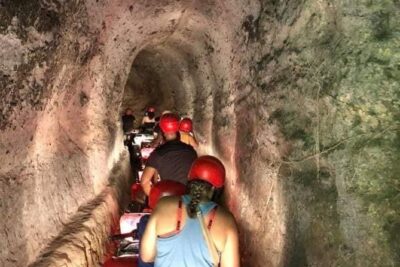
ATV Quad Bike Through Tunnel and Waterfall in Bali
Read our review →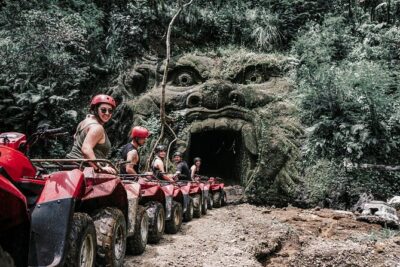
ATV Quad Bike Bali with Waterfall Gorilla Cave and Lunch
Read our review →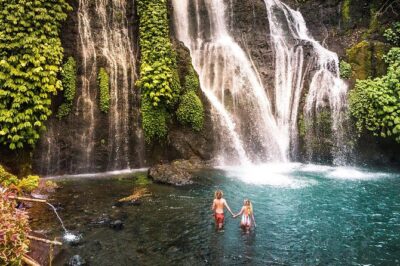
Bali Secret Waterfall Tour – Private and All-Inclusive
Read our review →Bali Quad Bike Pass by Waterfall Gorilla Cave Private Transfer
Read our review →
Bali ATV Quad Bike Through Tunnel, Waterfall, White Water Rafting
Read our review →
Blue Lagoon Snorkeling – Lunch – Kantolampo – Tibumana Waterfall
Read our review →
Monkey Forest, Water Temple, Rice Terrace, Waterfall
Read our review →Browse the lists this tour appears in