
Reviewed · COOKING CLASSES
Traditional Tempeh Making & Cooking Balinese Cuisine
Tempeh is more than Bali’s humble side dish. In this three-hour class, you learn how soybeans become tempeh, then use the fresh ingredient in a seven-dish Balinese lunch. I like that the class teaches the process from scratch rather than treating tempeh as a ready-made product. I also like the small-group format, which gives Ayu time to explain the spices, methods, and food traditions.
The class feels personal without being fussy. Ayu and Ngurah welcome you into their home and open-air kitchen, and Ayu brings clear knowledge and real enthusiasm to the cooking. The main consideration is location: although the experience is often associated with Seminyak, the meeting point is in northern Denpasar, so you should plan your morning transport carefully.
In This Review
- Key points at a glance
- Why tempeh gives this Bali cooking class a clear focus
- Meeting Ayu and Ngurah at the Denpasar home
- The tempeh-making lesson from soybean to supper
- Cooking with Bali’s spices and plant-based ingredients
- What the seven-dish lunch includes
- How much value do you get for $39?
- The pace, timing, and level of effort
- Who will enjoy this class most?
- A few practical tips before you book
- Should you book the tempeh class?
- FAQ
- Where does the tempeh cooking class begin?
- What time does the activity start and finish?
- How many people can join the class?
- Is the class suitable for vegans?
- What food and drinks are included?
- Can I cancel the booking for a full refund?
Key points at a glance
- Make tempeh from scratch: Learn about the soybean-based food and its place in Indonesian cooking.
- Cook seven Balinese dishes: Prepare tempeh dishes, sayur urab, and other local recipes before sitting down to lunch.
- Vegan-friendly format: Skip the chicken and tuna and focus on plant-based ingredients.
- Small group of up to 10: A limited class size allows more help and conversation with Ayu and Ngurah.
- Garden lunch at a local home: Eat what you made in a relaxed family setting, with tea, coffee, water, and a light snack included.
- Private option available: You can request a private group if you want more individual attention.
Why tempeh gives this Bali cooking class a clear focus
Many Balinese cooking classes cover a long list of dishes. This one has a more unusual center: tempeh. The ingredient originated in Indonesia, with a history dating back to the 1600s, and it remains an everyday source of protein for people across the country.
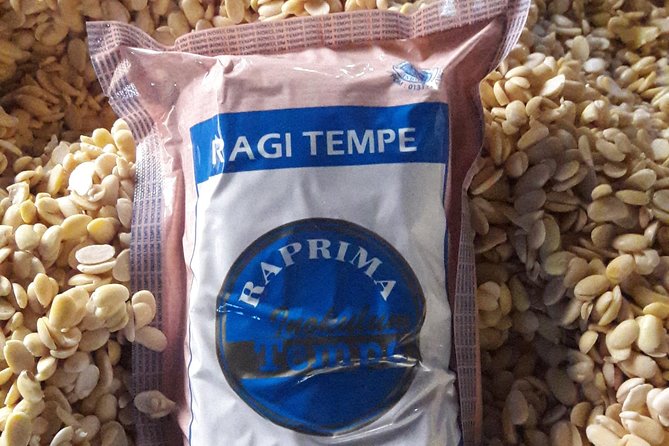
You will not simply chop tempeh and add it to a sauce. The class introduces the making process itself, helping you understand how soybeans are transformed into the firm, pale cake used in Indonesian food. That makes the lesson useful long after your holiday, especially if you already cook vegetarian or vegan food at home.
Tempeh is also a practical ingredient to study. It can be fried, mixed into vegetables, seasoned with spices, or used in different textures. By preparing several dishes, you get a better sense of its range instead of leaving with one narrow recipe.
I appreciate this approach because it connects food preparation with local life. Tempeh is not presented as a novelty for visitors. It is treated as a normal Indonesian food with real value, history, and flexibility.
More Cooking Classes in Seminyak
- Balinese Cooking Class in Seminyak
★ 5.0 · 281 reviews - Nia Balinese Cooking Class
★ 5.0 · 202 reviews - Nia Bali Seminyak Cooking Class
★ 5.0 · 127 reviews
Meeting Ayu and Ngurah at the Denpasar home
The class begins at 9:30 a.m. at Canang Sari Homestay, on Gg. Kaswari No. 6 in Dangin Puri Kaja, northern Denpasar. The activity ends at the same meeting point around 12:30 p.m., after lunch.
That meeting point matters. The tour is connected with Seminyak in some booking information, but the stated start and end point is in Denpasar. Do not assume you can simply walk over from a Seminyak hotel. Check the address carefully and allow enough time to reach the class in the morning.
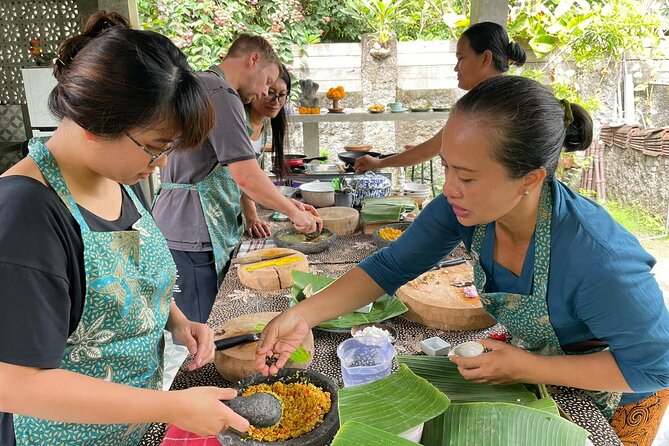
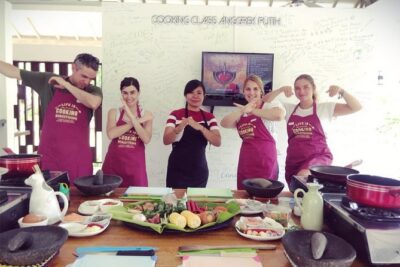
Once you arrive, the setting is part of the appeal. You cook in an open-air kitchen studio at a cozy local home, then eat in the garden. This is less polished than a hotel cooking school, but that is also the point. You get a family-style setting rather than a staged demonstration space.
Ayu is the main host highlighted in the experience. She explains the cooking methods and the background of tempeh, while Ayu and Ngurah create a warm, welcoming atmosphere. The strongest praise focuses on Ayu’s enthusiasm, patience, and ability to explain each step clearly.
The maximum group size is 10 people. That is small enough for a hands-on lesson, though your exact level of personal attention will depend on how many people book your session. A private class can be requested if you prefer a more tailored experience.
The tempeh-making lesson from soybean to supper
The first major part of the morning focuses on tempeh. You learn how the ingredient is made and why it is considered a high-protein food with useful nutrients.
The class is especially worthwhile if tempeh is familiar to you only from health-food shops. Seeing the process helps explain its firm texture and mild flavor. It also gives you a better idea of why tempeh works so well with bold Indonesian seasoning.
The instructions are designed to be practical. A guide to making tempeh at home is provided, so you are not limited to remembering the lesson by taking a few photographs or trying to copy hurried notes. That handout adds value for anyone who wants to repeat the process after returning home.
Still, you should have realistic expectations. Making tempeh from scratch is more involved than preparing a quick lunch. The class highlights the process, but the full transformation of soybeans into finished tempeh takes time beyond the three-hour session. Think of this as a clear introduction and guided preparation lesson, not a complete home production cycle completed before noon.
That distinction does not weaken the class. In fact, it helps you understand what you are learning. You see the key stages, then use tempeh in dishes that can be enjoyed straight away.
Cooking with Bali’s spices and plant-based ingredients
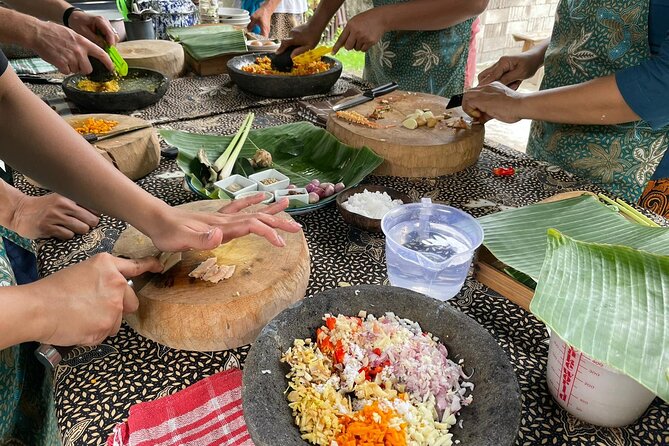
After the tempeh lesson, the group moves into the cooking portion. The class uses fresh plant-based ingredients and traditional Indonesian seasonings, giving you a chance to learn how flavor is built rather than relying on a packaged sauce.
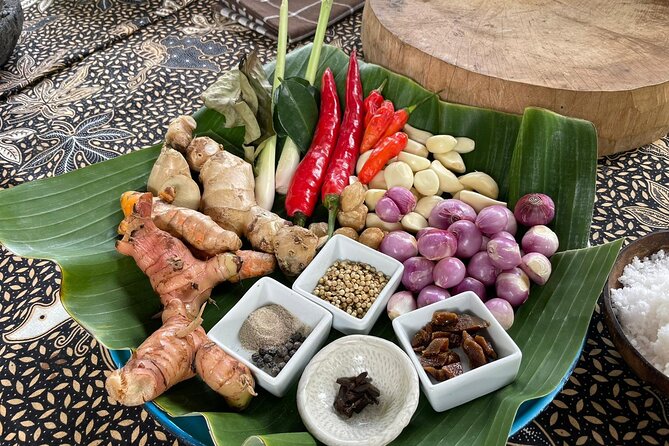
Indonesian cooking can use many spices in a single dish. Their combination creates depth, heat, fragrance, and balance. The class introduces this range in a practical way, with Ayu explaining what goes into the recipes as you work.
I like that the lesson is not limited to one tempeh preparation. You make several dishes using the ingredient, which shows how a single staple can take on different roles at the table. One highlighted preparation is tempeh fritters, a useful recipe to remember because the mixture can be adapted at home.
The class also includes sayur urab, a vegetable dish made with greens and beans mixed with grilled grated coconut. This is an important part of the meal because it brings freshness and texture alongside the more heavily seasoned tempeh dishes.
The recipes are described as traditional Balinese and Indonesian food, but you should not expect an advanced culinary school curriculum. The value is in learning directly from local hosts, handling the ingredients, and understanding the logic behind the dishes. You leave with recipes and methods that are more approachable than a formal restaurant kitchen lesson.
A completely different kind of day out on the same trip:
- Bali Full-Day Traditional Village Sightseeing Trip All Inclusive
★ 5.0 · 3,069 reviews - Experts Bali Driver : Best Bali Private Driver for Tour in Bali
★ 5.0 · 1,339 reviews - Bali Hai Sunset Dinner Cruise
★ 5.0 · 1,173 reviews - Mount Batur Sunrise Trekking
★ 5.0 · 947 reviews
What the seven-dish lunch includes
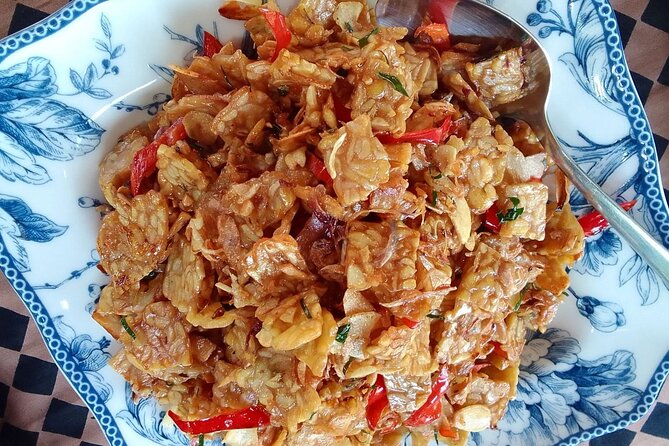
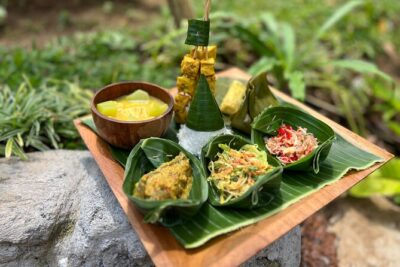
The cooking ends with a shared lunch of seven Balinese and Indonesian dishes. Tempeh forms the central theme, while sayur urab and other local recipes round out the table.
The meal is served in the garden of the home, creating a natural pause after the hands-on work. You are eating food you helped prepare, not just watching someone else cook. That makes the meal feel like part of the class rather than a separate restaurant stop.
The standard menu can also include chicken and tuna. If you eat everything, these add variety and show how the tempeh dishes fit into a broader Balinese meal. If you are vegan, you can skip both and concentrate on the plant-based recipes.
This flexibility is useful, but you should communicate your dietary preference clearly when booking or before the class begins. The experience is explicitly vegan-friendly, yet the stated menu includes animal products as optional additions. The plant-based focus is strong, but it is wise to make sure the host knows exactly what you want.
Tea, coffee, water, and a light snack are provided during the class. These are modest inclusions, but they matter during a morning of cooking, particularly in Bali’s warm climate. The main food value comes from the seven-dish lunch, not from extra drinks or snacks.
How much value do you get for $39?
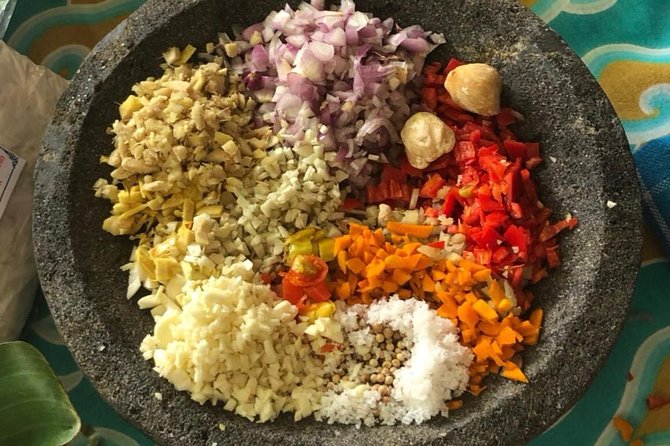
At $39 per person, this class is priced above a simple local meal but below many polished private culinary activities. The value comes from the combination of instruction, ingredients, a cultural explanation of tempeh, and lunch in a private-home setting.
If you only want to eat Balinese food, you can spend less at a local warung. That is not what you are paying for here. You are paying for the chance to learn a process, cook several dishes, ask questions, and receive guidance for making tempeh yourself.
The small group improves the value. With a maximum of 10 people, you should have a better chance to follow each step and get help when preparing the recipes. A private class costs more if arranged, but it may make sense for couples, families, or anyone with specific dietary needs.
I see the best value for people who enjoy food as a way to understand a place. You get a meal, but you also learn why tempeh matters and how Indonesian spices work together. If you do not enjoy cooking or plan to skip the practical work, the price may feel less attractive.
The pace, timing, and level of effort
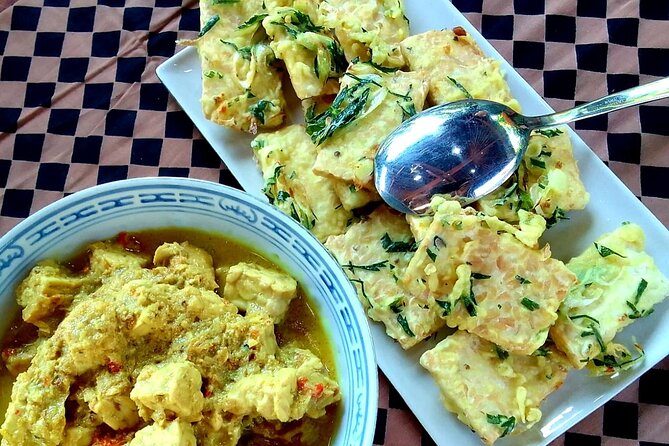
The morning runs from 9:30 a.m. to about 12:30 p.m., including lunch. Three hours is long enough to cover tempeh, several recipes, and a shared meal without taking up an entire day of sightseeing.
The pace should suit most people who enjoy a hands-on class. You will be working with ingredients, following instructions, and moving through multiple recipes. This is not a passive food talk.
Because the schedule is compact, you may not spend equal time on every dish. Tempeh receives the strongest focus, while the other recipes support the main lesson. That is a sensible arrangement, but it means you should book this class mainly for the tempeh theme, not for an exhaustive survey of all Balinese cuisine.
The class requires good weather. Cooking and eating in an open-air setting are central to the experience, so poor conditions can lead to a different date or a full refund. It is worth keeping your morning flexible if rain is forecast.
Who will enjoy this class most?
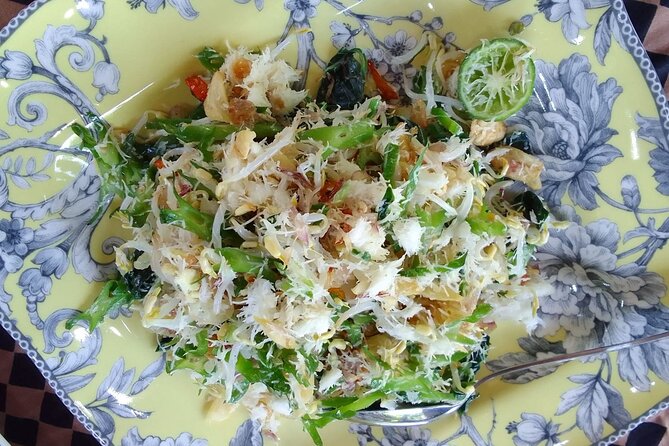
This is a strong choice for vegetarians, vegans, and anyone curious about Indonesian plant-based food. The option to leave out chicken and tuna makes the menu adaptable, while tempeh provides a useful protein source and a fresh subject for the lesson.
It also suits cooks who want something they can take home. The tempeh-making guide gives the class a practical afterlife, and the recipes can inspire you to experiment with the ingredient in your own kitchen.
Families and small groups may enjoy the relaxed home setting, particularly if they prefer a personal activity over a large demonstration. The private option is worth asking about if you want the host’s full attention or need a customized menu.
I would be less likely to recommend it to someone with very limited time in Bali who only wants a quick food stop. The meeting point is outside the main Seminyak area, the class lasts three hours, and the morning involves real participation. You should want the lesson, not just the lunch.
A few practical tips before you book
Confirm the Denpasar address, Canang Sari Homestay, before setting out. The location listed for the activity is Gg. Kaswari No. 6, Dangin Puri Kaja, Denpasar Utara, Denpasar, Bali 80234.
Arrive ready for a morning of cooking rather than dressing for a formal meal. The class takes place in an open-air kitchen and includes hands-on preparation, so comfort matters more than appearance.
Tell the host if you are vegan. Chicken and tuna are optional, but making your preference clear helps the cooking team plan the meal properly.
The activity is mobile-ticketed, and confirmation is provided when you book. Free cancellation is available up to 24 hours before the 9:30 a.m. start time. Changes or cancellations inside that window are not accepted for a refund, and the class may be moved or refunded if weather or minimum numbers prevent it from running.
Should you book the tempeh class?
Book it if you want a friendly, food-centered morning with a clear theme and a meal you help create. The strongest reasons are the from-scratch tempeh lesson, Ayu’s warm teaching style, the home garden lunch, and the useful guide for making tempeh at home.
Skip it if you are looking only for a standard Balinese cooking menu or if northern Denpasar is inconvenient from your hotel. For everyone else, $39 is a fair price for three hours of instruction, ingredients, seven dishes, and a personal introduction to one of Indonesia’s most useful foods.
FAQ
Where does the tempeh cooking class begin?
It begins at Canang Sari Homestay, Gg. Kaswari No. 6, Dangin Puri Kaja, Denpasar Utara, Denpasar, Bali 80234, Indonesia.
What time does the activity start and finish?
The class starts at 9:30 a.m. and finishes at about 12:30 p.m., including lunch.
How many people can join the class?
The activity has a maximum group size of 10 people. A private group is also available upon request.
Is the class suitable for vegans?
Yes. The class is vegan-friendly, and you can skip the chicken and tuna. The core cooking uses plant-based ingredients, including tempeh and vegetables.
What food and drinks are included?
You prepare and eat seven Balinese and Indonesian dishes. Tea, coffee, water, and a light snack are also provided during the class.
Can I cancel the booking for a full refund?
Yes, if you cancel at least 24 hours before the local start time. If poor weather or insufficient bookings cause the activity to be canceled, you will be offered another date or a full refund.
Newest reviews from Seminyak
- Bali Spa and Uluwatu Sunset Trip with Dinner Packages★ 5.0 · 7 reviews
- Bali Swing + ATV Ride + Spa Packages★ 5.0 · 7 reviews
- Bali Airport Immigration Fast Track Service★ 3.0 · 7 reviews
- Design Your Own Bali Tour★ 5.0 · 7 reviews
- Private Tour Lempuyang, Tirta gangga, tukad Cepung Waterfall★ 4.5 · 7 reviews
- Jewelery Making Class with Own Design★ 5.0 · 7 reviews
- Nusa Penida West-Angel Billabong-Kelingking-Crystal-Broken Beach★ 3.5 · 7 reviews
- Nusa Penida Land Tour and 4 Points Snorkeling with Manta★ 5.0 · 7 reviews
Cooking Classes, compared.
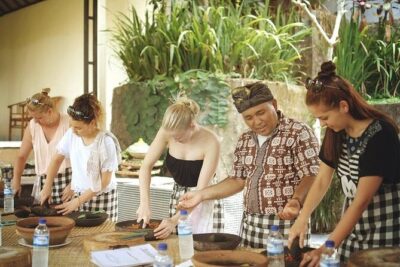

PRIVATE Authentic Balinese Cooking Class in Ubud at Putu’s Home
Read our review →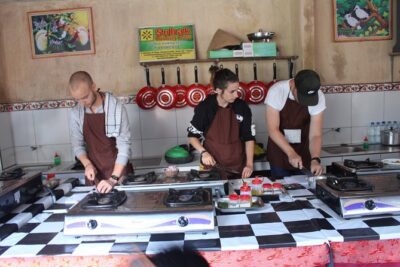
Balinese Ubud cooking school (9 Dish Cooking and Market Tour)
Read our review →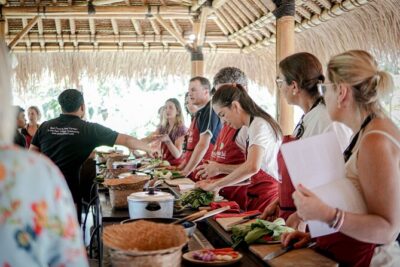

Learn to cook Indonesian food at Gili Cooking Classes Trawangan
Read our review →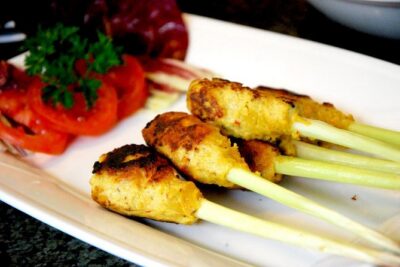
Browse the lists this tour appears in