
Reviewed · COOKING CLASSES
Ubud Cooking Class Bali with Balinese Chef
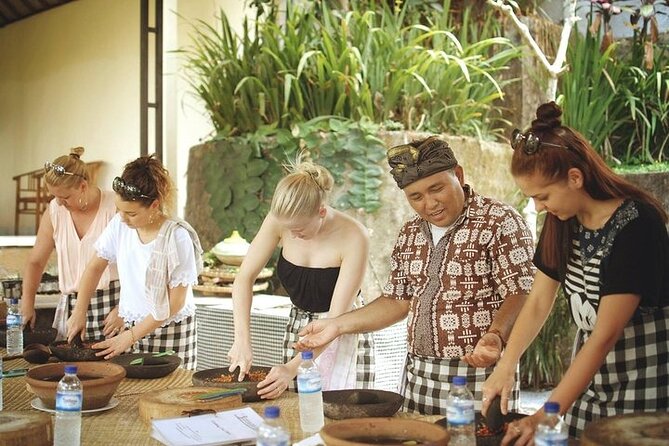
Come hungry, leave with recipes. This four-hour Ubud cooking class gives you your own station, utensils, ingredients, and step-by-step guidance from an English-speaking Balinese chef. You prepare seven dishes, then sit down to eat the meal you made.
I like the hands-on format because you do not simply watch a demonstration. I also like the morning market visit, which adds local context before the cooking begins. The main consideration is timing: the market tour is available only with the morning class, and hotel pickup is limited to central Ubud.
The class costs about $35.79 per person, a fair price for ingredients, instruction, a seven-dish meal, and, for the morning session, shared transport from central Ubud. With a maximum of 24 people, the group may feel lively rather than private, though extra staff help keep the cooking moving.
In This Review
- Key points to know before booking
- Why this Ubud cooking class works so well
- Start with Ubud’s traditional market
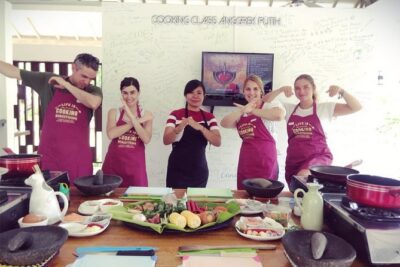
- Set up at your own cooking station
- The vegetarian menu, from peanut sauce to banana dessert
- The non-vegetarian menu adds chicken and fish
- Eating what you prepared for lunch or dinner
- Morning or afternoon: choose carefully
- Is $35.79 good value?
- Who will enjoy this class most?
- Practical details that affect your day
- Should you book the Ubud cooking class?
- FAQ
- How long does the Ubud cooking class last?
- Is hotel pickup included?
- Where does the afternoon class meet?
- Is the traditional market visit included?
- How many dishes will I cook?
- Is there a vegetarian menu?
- Is a non-vegetarian menu available?
- Is the meal included?
- What is the maximum group size?
Key points to know before booking
- Your own cooking station: You prepare and cook the dishes yourself with your own utensils and ingredients.
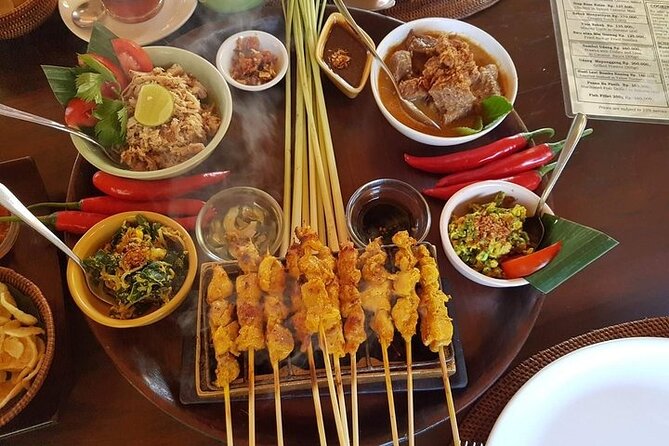
- Seven Balinese dishes: Choose either the vegetarian menu or the non-vegetarian menu, then eat what you have made.
- Morning market visit: The 30-minute tour is included only with the morning class.
- Central Ubud pickup: Return hotel transport is included for the morning class from central Ubud only.
- Afternoon meeting point: The afternoon class begins at 2:30 p.m. at the front of Lapangan Desa Ubud.
- A full four-hour activity: The cooking portion lasts about three and a half hours after the market stop.
Why this Ubud cooking class works so well
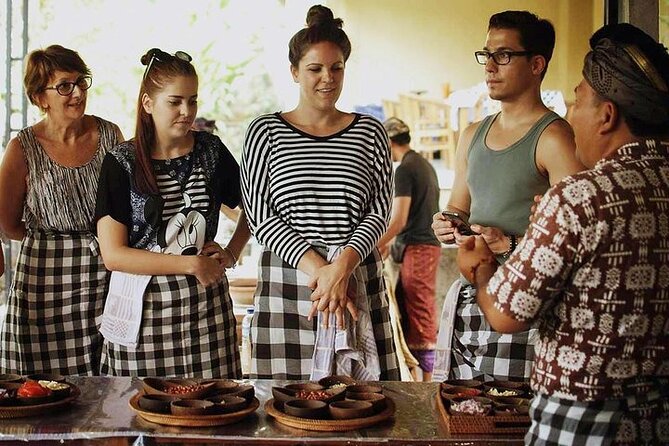
A cooking class is one of the better ways to understand Balinese food. You learn what goes into the dishes, how sauces are built, and how several preparations come together as one meal. Here, the appeal is practical: you leave with methods you can try again at home, not just a pleasant lunch.
The class is conducted in English with a Balinese chef. That matters because the recipes rely on processes that are easier to understand when someone shows you each step. Several people specifically praised the clear instructions, humor, and friendly teaching style. One attendee said the class helped them raise their cooking skills and recreate the dishes at home.
I also like the social rhythm of the experience. You work at your station, then share the finished food in a dining room. It gives the class a clear reward at the end, and it turns lunch or dinner into part of the lesson rather than an unrelated meal.
The cooking session is suitable for most people. You do not need to be a trained cook, and the emphasis is on following instructions. Still, this is not a class for anyone hoping to sit back while a chef does all the work. You will be chopping, mixing, cooking, and assembling the dishes yourself.
More Cooking Classes in Ubud
- PRIVATE Authentic Balinese Cooking Class in Ubud at Putu’s Home
★ 5.0 · 644 reviews - Balinese Ubud cooking school (9 Dish Cooking and Market Tour)
★ 5.0 · 540 reviews - Balinese Farm Cooking Class by Pemulan Bali
★ 5.0 · 410 reviews
Start with Ubud’s traditional market
The morning class begins with a 30-minute visit to Ubud Traditional Art Market. This is a useful opening because it connects the food on your plate with the ingredients used in local cooking. You can get a look at market produce before handling it in the kitchen, and the guide can explain what you are seeing.
The market visit is included in the price, but anything you buy there is your own expense. Treat it as an introduction rather than a dedicated shopping trip. Thirty minutes is enough to get oriented, but not enough for a slow market wander or serious bargaining session.
The market portion is one of the reasons I would choose the morning class over the afternoon option. It adds a sense of place to the day and helps the cooking feel connected to Ubud rather than staged in isolation. If local food culture interests you, this extra stop is worth arranging your schedule around.
There is one practical limitation. The traditional market tour is offered for the morning trip only. If you book the afternoon session, you go directly to the class meeting point instead.
Set up at your own cooking station
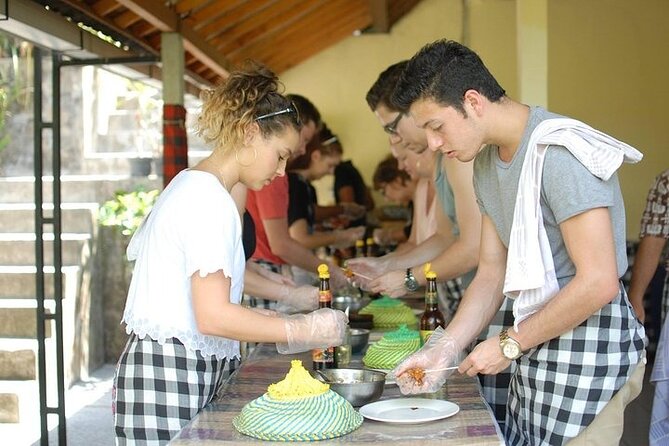
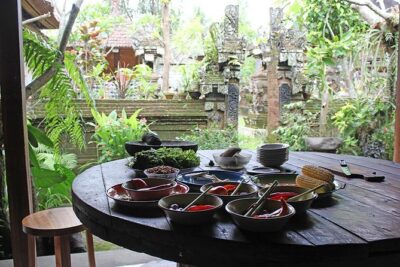
After the market, the focus shifts to the cooking school. You receive cooking equipment, ingredients, and a dedicated work station. This is a stronger setup than a demonstration class because you learn through your own hands.
The menu is organized around sauces, spice mixtures, main dishes, noodles, and dessert. The chef and assistants guide you through the work, and several people praised the number of staff available to help. That support is useful in a class that can hold up to 24 people, especially when several dishes are being prepared at once.
The cooking class lasts about three and a half hours, making the total experience roughly four hours with the market visit. That is enough time to work through the menu without treating every dish as a rushed sample. It also means you should not schedule another tight appointment immediately afterward.
A welcome drink and mineral water are included. Other beverages are not included, so plan to pay separately if you want anything beyond the supplied drink and water.
The vegetarian menu, from peanut sauce to banana dessert
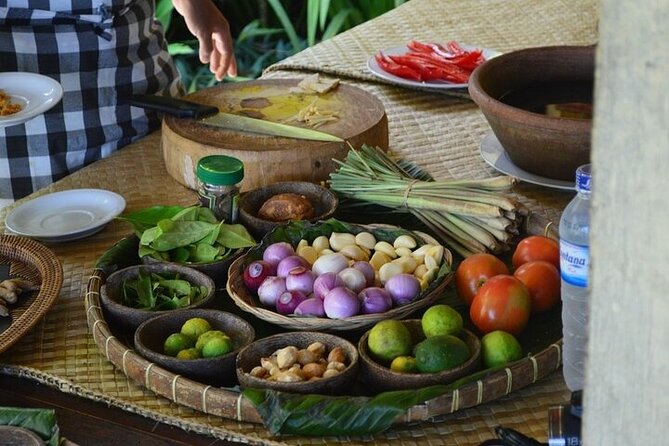
The vegetarian option is not a token plate of vegetables. It includes several distinct preparations, with different textures and techniques.
You begin with Sauce Kacang, a peanut sauce used with the vegetable sate. You also make Bumbu Bali, the spice paste that gives many Balinese dishes their depth. These sauces are important lessons because they show how much Indonesian cooking depends on combining aromatics and spices before the main ingredients go into the pan.
Kare Sayur is the vegetable curry. It gives you a chance to work with a sauce-based dish rather than only grilled or fried food. The menu also includes sate made with tempe, tofu, and vegetables, served with peanut sauce.
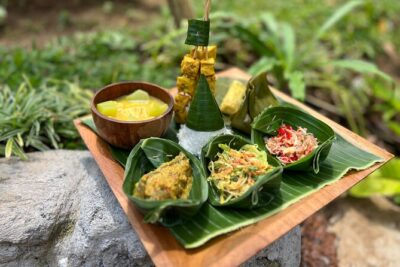
Pepes Mushroom is grilled mushroom wrapped in banana leaf. This is one of the more distinctive items on the vegetarian menu because the banana leaf is part of the cooking method and presentation. You also prepare Mie Goreng, Indonesian fried noodles, followed by Kolak Pisang.
Kolak Pisang is a dessert of saba banana braised in palm sugar gravy. It is simple, sweet, and a fitting finish after the spice and savory dishes. Since you prepare the whole menu yourself, the final meal feels more substantial than the usual small tasting portion.
A completely different kind of day out on the same trip:
- All-Inclusive Ubud Private Tour
★ 5.0 · 14,344 reviews - Best of Ubud Full-Day Tour with Jungle Swing
★ 5.0 · 8,571 reviews - Ubud: Monkey Forest, Jungle Swing, Rice Terrace, and Water Temple
★ 5.0 · 7,160 reviews - Best of Ubud 1-Day Private Tour
★ 5.0 · 4,451 reviews
The non-vegetarian menu adds chicken and fish
The non-vegetarian menu uses the same peanut sauce, Bumbu Bali, fried noodles, and banana dessert, then adds chicken and fish dishes.
Ayam Bumbu Bali is Balinese fried chicken prepared with the spice mixture. Sate Ayam is chicken sate served with peanut sauce, giving you a second way to work with skewered food. Pepes Ikan is fish grilled in banana leaf, the non-vegetarian counterpart to the mushroom preparation.
This menu offers a useful contrast between fried, grilled, sauced, and wrapped dishes. You are not simply cooking one main course seven different ways. Each item adds another technique or flavor combination.
If you are choosing between menus, the decision is straightforward. Pick vegetarian if you want tempe, tofu, mushrooms, and vegetables to lead the meal. Pick non-vegetarian if chicken and fish are central to the Balinese food experience you want.
The available information does not describe substitutions or allergy accommodations, so you should ask the provider before booking if you have dietary restrictions beyond the stated vegetarian and non-vegetarian choices.
Eating what you prepared for lunch or dinner
The best part comes when the cooking stops. You sit in the dining room and eat the dishes prepared during the class. This shared meal gives you a chance to compare results with the rest of the group and enjoy the food while the techniques are still fresh.
The meal includes all seven dishes from your selected menu. Lunch is associated with the morning class, while dinner is associated with the afternoon class. The atmosphere has been described as friendly, fun, and relaxed, with the chef keeping the class light while still explaining the food carefully.
This final meal also helps you judge the recipes in practical terms. A dish can sound appealing on paper but feel too spicy, too sweet, or too complicated once you make it. Here, you get to taste the balance for yourself and decide which recipes deserve a place in your kitchen back home.
Morning or afternoon: choose carefully
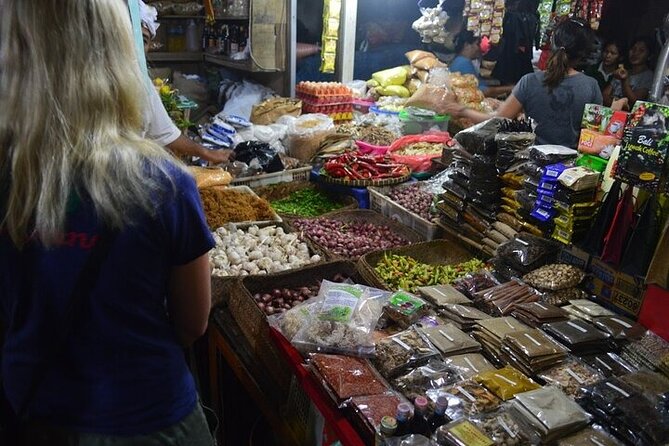
The morning option is the better choice if you want the full experience. It includes the market tour and return hotel transfer for central Ubud, along with the cooking class and meal.
Pickup is offered from hotels in central Ubud only. If you are staying elsewhere, transport may cost up to IDR 600,000 per car for the cooking class, so check your location before calculating the final price. The included vehicle is shared, not a private transfer.
The afternoon class meets at 2:30 p.m. at the front of Lapangan Desa Ubud. This meeting point is important because afternoon pickup is not described in the same way as morning hotel transfer. You should arrange your own way to the meeting point and confirm the return plan.
The afternoon schedule may suit you if you want a slower morning or have another Ubud activity planned. But you give up the market visit. For food-focused visitors, that is a real tradeoff, not a minor detail.
Is $35.79 good value?
At about $35.79 per person, this class offers solid value. The price covers the chef, ingredients, cooking equipment, seven dishes, welcome drink, mineral water, and the meal you prepare. The morning option also includes the traditional market tour and shared return transport within central Ubud.
The value is strongest if you would otherwise pay separately for a meal and a market visit. You are getting instruction and food together, and the recipes provide a lasting benefit beyond the four-hour activity.
Group size is capped at 24 people. That is not a tiny class, so you should not expect a private lesson with constant one-to-one attention. On the other hand, assistants are available, and smaller sessions can happen. One account described a class with only one other couple, which allowed much more individual help.
Group discounts are available, making the experience more appealing for families or friends traveling together. The price does not include personal purchases at the market, additional drinks, insurance, or transport from areas outside the central Ubud pickup zone.
Who will enjoy this class most?
I would recommend this experience to you if you enjoy food, want a cultural activity with structure, or like learning by doing. It suits beginners because the chef explains each stage and the staff can assist as you work.
It is also a good choice for couples, small groups, and families who want an activity that produces a shared meal. The class has a social feel, but you still get personal work space rather than watching from the back of a room.
Vegetarians should find the dedicated menu useful. You are not simply removing meat from the standard dishes. The vegetarian menu includes tempe, tofu, mushrooms, vegetables, curry, sate, noodles, and dessert.
I would be more cautious if you dislike group activities, cannot spend four hours cooking, or need a highly flexible schedule. The class has a maximum of 24 participants, and the non-refundable booking policy makes last-minute changes costly. Bad weather or failure to meet the minimum number of participants can lead to a different date, another experience, or a full refund, but ordinary cancellations are not refundable.
Practical details that affect your day
The experience lasts about four hours. The morning schedule includes a 30-minute market visit followed by roughly three and a half hours at the cooking school.
Bring a healthy appetite. You will be eating a seven-dish meal at the end, and the whole point is to enjoy the food you prepared. Personal expenses at the market are separate, as are extra beverages and insurance.
The class requires good weather. If weather causes cancellation, you are offered another date or a full refund. It also requires a minimum number of participants, and a cancellation for that reason brings the same choice of a new date, another experience, or a refund.
The experience is confirmed at booking, and most people can participate. If transportation matters to you, pay close attention to the difference between central Ubud morning pickup and the afternoon meeting at Lapangan Desa Ubud.
Should you book the Ubud cooking class?
Book it if you want more than a restaurant meal and prefer an activity where you learn, cook, and eat. The strongest reasons are the private cooking stations, clear English instruction, seven-dish menu, friendly teaching style, and morning market visit.
Choose the morning class if you can. The market tour and central Ubud transfer make it the fuller package. Choose the afternoon class if the later schedule suits you, but remember that it does not include the market stop and uses a fixed meeting point.
At $35.79, this is a sensible buy for food lovers and curious first-time cooks. It is less suitable for anyone seeking a quiet private lesson or a quick demonstration. For most visitors who want a practical taste of Balinese culture, the chance to cook your own lunch or dinner is the real value.
FAQ
How long does the Ubud cooking class last?
The experience lasts approximately four hours, including the traditional market visit for the morning class and the cooking session.
Is hotel pickup included?
Return hotel transfer is included for the morning class from hotels in central Ubud only. Pickup from other areas costs extra, up to IDR 600,000 per car.
Where does the afternoon class meet?
The afternoon class meets at 2:30 p.m. at the front of Lapangan Desa Ubud.
Is the traditional market visit included?
Yes, the 30-minute Ubud Traditional Art Market tour is included with the morning trip. It is not included with the afternoon class.
How many dishes will I cook?
You will prepare seven dishes, choosing either the vegetarian or non-vegetarian menu.
Is there a vegetarian menu?
Yes. The vegetarian menu includes peanut sauce, Balinese spice paste, vegetable curry, tempe, tofu and vegetable sate, mushroom wrapped in banana leaf, fried noodles, and banana dessert.
Is a non-vegetarian menu available?
Yes. The non-vegetarian menu includes chicken, fish, peanut sauce, Balinese spice paste, fried noodles, and banana dessert.
Is the meal included?
Yes. You eat the lunch or dinner you prepared during the class. Welcome drinks and mineral water are also included, but other beverages are extra.
What is the maximum group size?
The class can have a maximum of 24 participants. Additional staff are available to assist during the cooking session.
More Workshops and Classes in Ubud
- Ubud Silver Class Jewelry making in bali
★ 5.0 · 978 reviews - Ubud Monkey Forest Silver Class – Craft Your Own Silver Jewelry
★ 5.0 · 254 reviews - Balinese Authentic Cooking Class in Ubud
★ 5.0 · 239 reviews - PRIVATE Balinese Cooking Class in Ubud with Dewa with Transfers
★ 5.0 · 213 reviews
Newest reviews from Ubud
- Explore Rice Fields and Hidden Villages with Ubud E-Bike Tour★ 5.0 · 7 reviews
- Private Tour: Heaven Gate Temple, Tirta Gangga and Blue Lagoon Snorkeling★ 5.0 · 7 reviews
- Monkey Forest Ubud Half day Tour★ 4.0 · 7 reviews
- Ubud Monkey Forest Rice Terrace Temple Waterfall Private Tour★ 5.0 · 7 reviews
- UBUD : Temple and Waterfall All Inclusive Day Tour★ 5.0 · 7 reviews
- Bali – Silver Jewelry Making Class★ 5.0 · 7 reviews
- One way fast Boat between Padangbai and Gili Islands or Lombok★ 5.0 · 7 reviews
- Bali ATV Quad Bike and White Water Rafting – All Inclusive★ 5.0 · 7 reviews
Cooking Classes, compared.

PRIVATE Authentic Balinese Cooking Class in Ubud at Putu’s Home
Read our review →
Balinese Ubud cooking school (9 Dish Cooking and Market Tour)
Read our review →

Learn to cook Indonesian food at Gili Cooking Classes Trawangan
Read our review →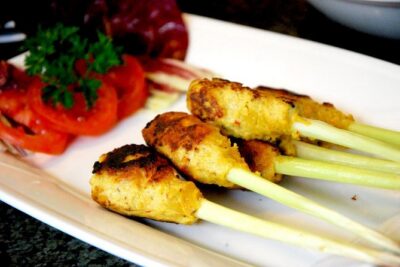
PRIVATE Balinese Cooking Class in Ubud with Dewa with Transfers
Read our review →Browse the lists this tour appears in