
Reviewed · COOKING CLASSES
Balinese Ubud cooking school (9 Dish Cooking and Market Tour)
Come hungry, leave with recipes. This five-hour Ubud experience combines a local market visit, rice-paddy stop, Balinese cooking lesson, and a very large meal. I like the nine-dish menu and the chance to cook with ingredients and tools that may be unfamiliar at home. I also like the warm, family-run feel, with instructors such as Yogi, Putu, and Gus praised for their humor and clear guidance.
The main catch is the drive. The school is outside central Ubud, and some pickups involve a roughly 50-minute ride from Ubud Palace. Morning guests get the market and rice fields, while afternoon guests make a Balinese offering instead, so your start time changes the shape of the day.
In This Review
- Key points at a glance
- Why this cooking class is worth your time
- Morning begins at the market
- Rice paddies and the road north of Ubud
- A Balinese home becomes the cooking school
- The regular menu: chicken, satay, sambal, and dessert
- The vegetarian menu is a real alternative
- The best part is the meal you made yourself
- The instructors shape the day
- Afternoon option: offering-making instead of the market
- Price, time, and what you receive
- Who should book this Ubud cooking class?
- Should you book it?
- FAQ
- How long does the Balinese cooking class last?
- Where does the tour start?
- Does the tour include pickup?
- Is the traditional market visit included with every class?
- What does the afternoon option include?
- How many dishes will I learn to make?
- Is there a vegetarian menu?
- Is lunch or dinner included?
- How many people can join the class?
Key points at a glance
- Nine Balinese recipes: Prepare a full spread of soup, satay, vegetables, sambal, a spice paste, dessert, and more.
- Morning market stop: Taste local fruits, cakes, vegetables, spices, and sweets while learning how people shop and sell food in Bali.
- Rice-field visit: See how rice is grown, learn about different types of rice, and stop for photographs.
- Small group format: The class accepts up to 14 people, with individual cooking stations reported by several participants.
- Two menu choices: Pick the regular menu with chicken or the vegetarian menu with tofu and tempeh.
- A generous meal: You eat what you cook, and leftovers may be packed to take back to your hotel.
Why this cooking class is worth your time
Ubud has no shortage of cooking classes. Many teach a handful of recipes, then send you home after a quick lunch. This one aims higher: you work through a broad Balinese menu and connect the food to the market, rice fields, household traditions, and religious customs.
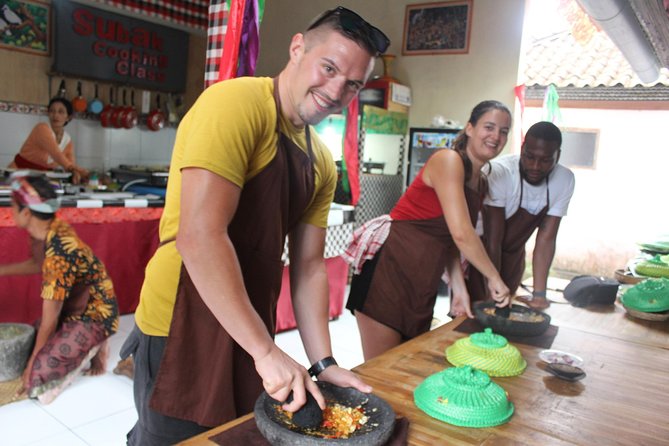
That wider setting matters. Balinese cooking is not just a matter of tossing ingredients into a pan. The flavor comes from fresh herbs, chilies, coconut, spice pastes, banana leaves, and careful preparation. The class gives you a useful introduction to base gede, the basic Balinese spice paste used in many dishes.
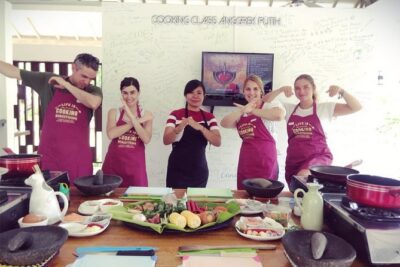
I especially like the balance between instruction and eating. You do not simply watch a chef perform. The class is arranged for hands-on work, with each couple or small team cooking at its own station. Staff help with preparation, but you still get to chop, mix, shape, wrap, grill, steam, and fry under guidance.
The experience is also social without feeling like a formal restaurant demonstration. The instructors use humor, share local customs, and teach a few Balinese words. That easy atmosphere is a big reason the class suits couples, families, and mixed-age groups.
More Cooking Classes in Ubud
- Ubud Cooking Class Bali with Balinese Chef
★ 5.0 · 1,609 reviews - PRIVATE Authentic Balinese Cooking Class in Ubud at Putu’s Home
★ 5.0 · 644 reviews - Balinese Farm Cooking Class by Pemulan Bali
★ 5.0 · 410 reviews
Morning begins at the market
Choose the morning session if you want the fullest cultural outing. Pickup is offered within Ubud, with the stated meeting point at Ubud Palace, and the morning route includes a traditional market before the cooking class.
The market visit is not just a quick photo stop. Your local host explains fruits, vegetables, spices, cakes, and other ingredients used in Balinese kitchens. You may be offered samples of unfamiliar fruits and local sweets, which makes this a good chance to try something without buying a whole portion.
You also get a look at the practical side of food in Bali. The guide can explain how people buy and sell ingredients, how market goods connect with home cooking, and how offerings are assembled. One particularly useful detail is the chance to see flower temple offerings being prepared.
Bring cash if you want to buy something, though the activity itself includes the market visit rather than a personal shopping allowance. Wear ordinary, comfortable clothing and shoes suitable for walking through a working market.
The market can be lively and crowded, and the visit may feel less polished than a sightseeing stop. That is part of its value. You are seeing daily commerce rather than a display arranged for tourists.
Rice paddies and the road north of Ubud
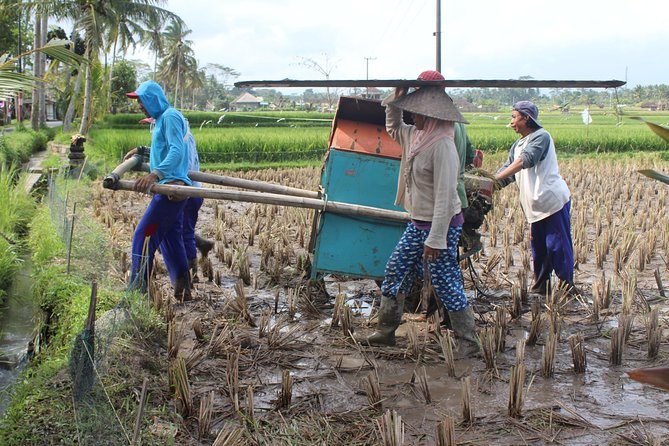
After the market, the route includes a rice-field stop. The guide explains how rice is grown in Bali, how many kinds of rice are used, and how long the crop takes to reach harvest.
This adds useful context to the meal later. Rice is not merely a side dish here. It is central to Balinese food and rural life, so seeing the paddies helps you understand why rice appears with nearly every main course.
The stop also offers a chance for photographs, and one account describes views toward a volcano. The visit is brief enough to fit into the cooking-day schedule, but it gives you a welcome change from the market and vehicle.
The ride is the part to plan for. The cooking school is outside central Ubud, and a pickup from Ubud Palace can involve a long drive. One participant was surprised by an additional 50-minute trip from the pickup point. If you dislike sitting in a vehicle between activities, this class may feel spread out.
Pickup outside Ubud costs extra and must be requested in advance. The advertised included pickup and drop-off apply to the Ubud area only. Do not assume a hotel outside Ubud is covered.
A Balinese home becomes the cooking school
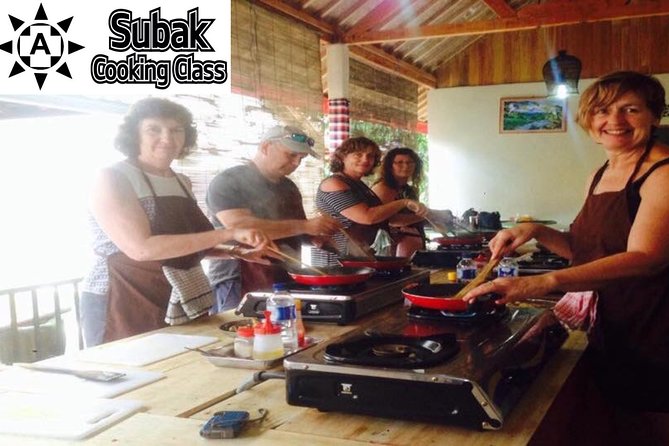
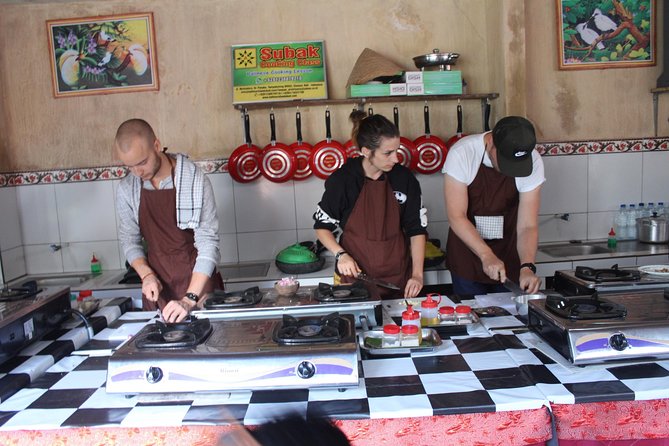
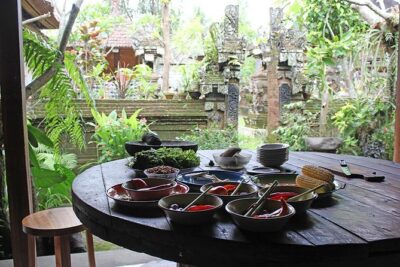
The school operates in a local Balinese home set up for cooking instruction. That gives the lesson a more personal setting than a large culinary studio.
The kitchen uses equipment and ingredients you may not have at home. Some steps are prepared ahead to keep the class moving, but the format still gives you practical work to do. The strongest accounts describe a clear, step-by-step lesson with enough stations for people to participate.
The group size can reach 14 people. That is large enough for a sociable class, but not so large that you should expect private tuition. Several instructors and kitchen staff help keep things moving, and individual stations make it easier to follow along.
Sound and pace may vary. One critical account said the instructor was hard to hear because staff conversations became loud, and the participant felt too much preparation had been done in advance. That is a fair limitation to keep in mind. If you want to make every component from scratch with long, detailed explanations, this may not be the right class.
For most people, the pre-preparation is a trade-off. It lets you make nine dishes in about five hours without spending the whole day chopping onions and grinding spices. You get more variety, but not every element receives the same amount of hands-on time.
More Market Tours in Ubud
- Balinese Cooking class with traditional morning market visit
★ 5.0 · 161 reviews - PRIVATE Ubud Market Tour & Balinese Cooking Class with Putu
★ 5.0 · 125 reviews - Ubud Cooking Class with Optional Market Visit Pickup Included
★ 5.0 · 70 reviews - Balinese Cooking Class with Traditional Market Tour
★ 5.0 · 66 reviews
The regular menu: chicken, satay, sambal, and dessert
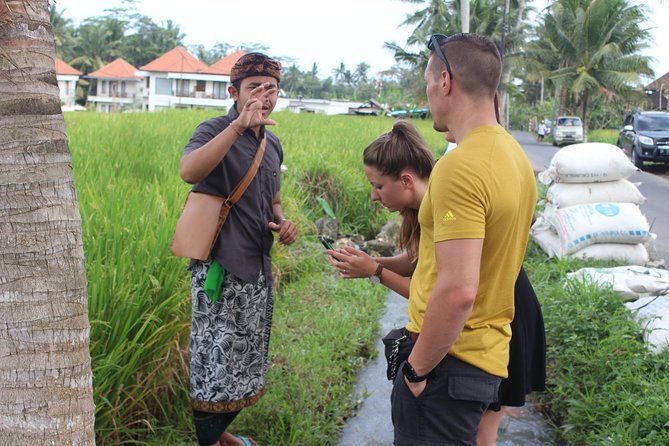
The regular menu gives you a broad introduction to Balinese flavors. The exact order may vary, but you can expect to work with these dishes:
- Balinese vegetable soup
- Chicken in Balinese coconut sauce
- Sweet fried tempe
- Balinese chicken sate lilit
- Chicken pepes cooked in banana leaf
- Balinese lawar, a mixed vegetable dish with spices
- Sambal matah, a raw spice mixture with coconut oil
- Base gede, the basic spice paste
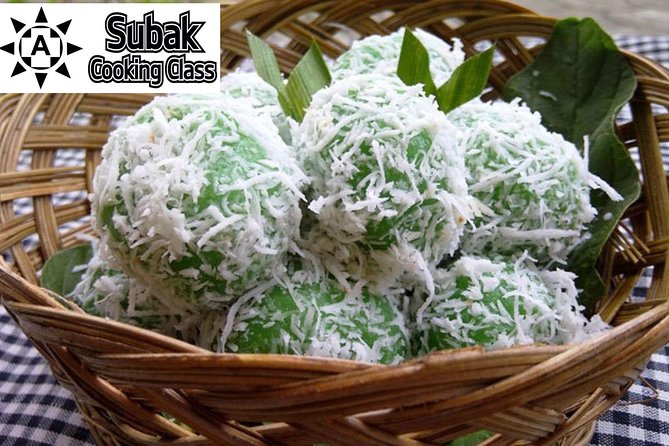
- Klepon cake with palm sugar
White rice is served with the main dishes.
This is a smart menu for a first lesson because it covers several cooking methods. You work with soup, frying, coconut sauce, skewered meat, banana-leaf cooking, raw sambal, spice paste, and a boiled rice-flour dessert.
Sate lilit is especially interesting because the meat is shaped around a skewer rather than cut into familiar chunks. Pepes introduces banana leaves as both a cooking wrapper and a source of aroma. Sambal matah shows how fresh ingredients can create a sharp, bright accompaniment without a long cooking time.
The menu is generous. You may find yourself eating before you realize how much food remains. Several people took leftovers back to their hotels, which is useful because nine dishes plus rice is a serious lunch or dinner.
Spice levels can be adjusted to some extent. One participant prepared a milder version while others in the group preferred more heat. Tell the instructor early if you are sensitive to chilies.
The vegetarian menu is a real alternative
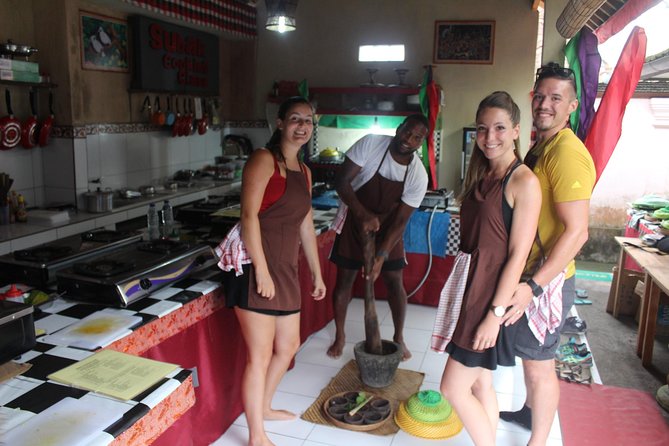
The vegetarian option is not simply the regular menu with the chicken removed. It replaces the meat dishes with tofu and tempe preparations:
- Balinese vegetable soup
- Tofu with Balinese basic sauce
- Sweet fried tempe
- Tempe sate with peanut sauce
- Tofu pepes cooked in banana leaf
- Balinese lawar
- Sambal matah
- Base gede
- Klepon cake
White rice accompanies the main dishes.
This menu still covers the key techniques and flavors. Tempe gives you a distinctly Indonesian ingredient with a firm, nutty character, while tofu works well with the spice paste and banana-leaf preparation.
Choose regular or vegetarian when booking. If your group has different preferences, the class has experience adapting meat and vegetarian choices, but it is still wise to make the request clear before the day begins.
The best part is the meal you made yourself
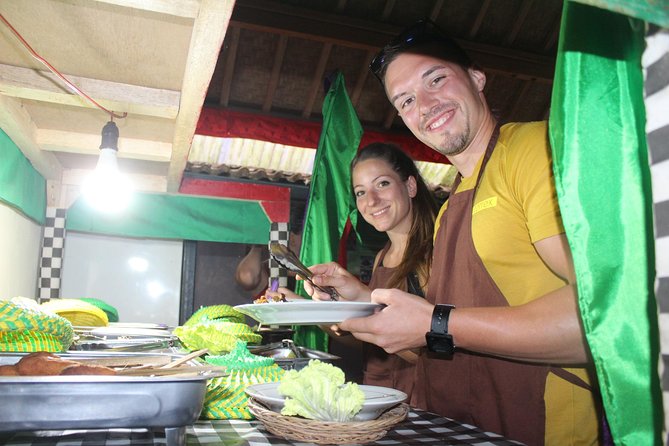
At the end, the dishes are served as lunch or dinner. This is more than a reward for finishing the lesson. It lets you compare the flavors and see how the separate components work together.
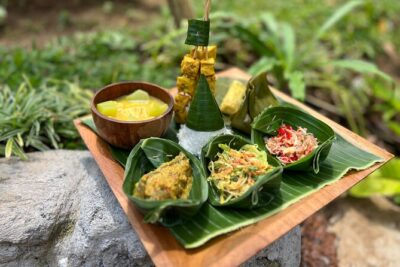
The spread should include soup, rice, several main dishes, vegetables, sambal, and klepon. The meal gives you a practical sense of balance: rich coconut sauce needs a fresh or spicy side, while sweet tempe and dessert round out the sharper flavors.
Food quality receives very strong praise, with people repeatedly calling the meal fresh, tasty, and abundant. That does not mean every dish will suit every palate. Balinese cooking can be spicy, aromatic, sweet, and rich in the same meal. If you prefer mild food, speak up during preparation rather than waiting until the plate is served.
Mineral water is included. Alcoholic drinks are not, so plan accordingly. Recipe copies are provided to take away, giving the class value beyond one meal in Bali.
One practical tip: eat lightly beforehand. The market includes tastings, and the cooking session produces enough food for a hungry group. If you cannot finish, ask about packing leftovers for the hotel.
The instructors shape the day
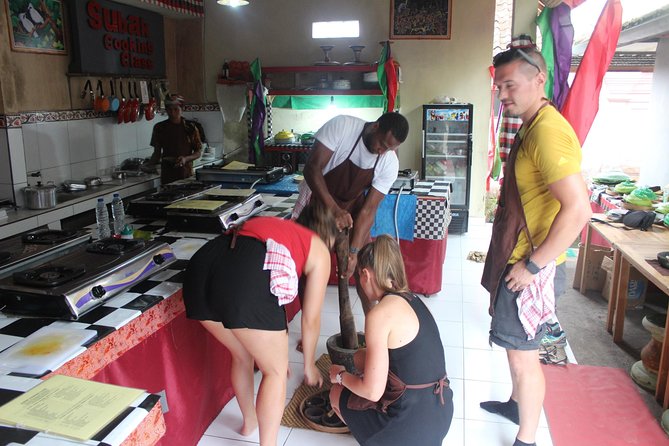
The cooking itself matters, but the person leading it can shape your memory of the class. Yogi is repeatedly described as funny, warm, and clear in his teaching. Putu is praised for making the session fun, while Gus is noted for explaining food, culture, religion, and local customs in an engaging way.
Drivers and hosts also play an important role. Tata and Wayan are described as friendly guides who explain the market, rice fields, ingredients, and local life. Harry is mentioned as a driver, though one account raised concerns about driving style and an unclear toll-road charge.
These mixed transport comments are worth taking seriously without letting them define the class. The cooking team receives far more praise than criticism, but the transfer is part of the experience. Confirm the pickup point, extra transport charges, and any toll costs before setting off.
Afternoon option: offering-making instead of the market
The afternoon class has a different focus. The traditional market visit is provided only with the morning class, while the afternoon option includes making a Balinese offering.
That choice is useful if you prefer a later start or want a hands-on look at a religious household practice. It is not the same itinerary, so do not book an afternoon session expecting the market and rice-paddy route.
The supplied details specifically list the rice-paddy visit with the morning option and offering-making with the afternoon option. Ask the provider to confirm the exact stops for your selected time before booking, especially if the market is the main reason you want to go.
Price, time, and what you receive
At $58, this is not the cheapest cooking lesson in Bali. The price includes about five hours of activity, Ubud-area pickup and drop-off, a driver or guide, local hosting, mineral water, market access on the morning option, the rice-field stop, equipment, recipes, food tasting, and a full meal.
That is a strong package if you value the cultural stops and the number of dishes. You are not paying only for an instructional hour and a plate of food. You are also paying for transport, staff, ingredients, and a guided introduction to the market and countryside.
The value is less convincing if you want a short, highly technical class focused on one or two recipes. The long transfer and pre-prepared ingredients may feel like wasted time for an experienced cook.
The group limit is 14 people. That keeps the class manageable, but the atmosphere is shared rather than private. Couples and families should enjoy the social setup, while serious food students may want to ask how much preparation each participant will handle.
Free cancellation is available when you cancel at least 24 hours before the start time. Changes or cancellations inside that window are not accepted for a refund.
Who should book this Ubud cooking class?
I would choose this for you if food is one of your main ways of understanding a place. It suits first-time cooks, families, couples, vegetarian diners, and anyone who wants more than a restaurant meal.
It is also a good fit if you enjoy a full half-day outing. The market, rice fields, transport, cooking, and shared meal create a varied schedule rather than a narrow kitchen lesson.
I would hesitate if you are staying far outside Ubud, dislike long car rides, need a quiet teaching environment, or expect to prepare every ingredient from the beginning. In those cases, check the pickup charge and ask specific questions about the amount of hands-on work.
Should you book it?
Yes, if you want a friendly, filling, culture-focused day with a large menu and useful recipes to take home. The strongest features are the nine-dish spread, the generous food, the market visit on the morning option, and instructors who make the class relaxed and personal.
Book the morning session if the market and rice paddies matter to you. Choose vegetarian in advance if needed, confirm pickup if you are outside Ubud, and arrive ready to eat. For most visitors, this offers better value than a basic cooking class because it connects the meal to the people, ingredients, and countryside that make Balinese food distinctive.
FAQ
How long does the Balinese cooking class last?
The experience lasts approximately five hours.
Where does the tour start?
The stated meeting point is Ubud Palace at F7V7+72R, Jl. Raya Ubud No. 8, Ubud, Bali.
Does the tour include pickup?
Pickup and drop-off are included for the Ubud area only. Pickup outside Ubud may cost extra and must be requested in advance.
Is the traditional market visit included with every class?
No. The traditional market visit is provided only with the morning class.
What does the afternoon option include?
The afternoon option includes making a Balinese offering. The morning option includes the market and rice-paddy visit.
How many dishes will I learn to make?
The class teaches at least nine Balinese recipes. The regular menu includes chicken dishes, tempe, vegetables, sambal, a spice paste, and klepon dessert. White rice is served with the main dishes.
Is there a vegetarian menu?
Yes. The vegetarian menu uses tofu and tempe in place of the chicken dishes and includes vegetable soup, lawar, sambal matah, base gede, klepon, and white rice.
Is lunch or dinner included?
Yes. You eat the food prepared during the class as lunch or dinner. Mineral water, food tasting, equipment, and recipe copies are also included.
How many people can join the class?
The maximum group size is 14 travelers.
More Shopping Trips in Ubud
- Bali Food Tour: Savor Street Food and Night Market Adventures
★ 5.0 · 46 reviews - Ubud City Tour I: Monkey Forest, Ubud Palace, Art Market, and Waterfall
★ 5.0 · 31 reviews - Ubud Day Tour : Waterfall, Temple and Local Night Market Tour
★ 5.0 · 17 reviews - Ubud City Tour II: Monkey Forest, Palace, Art Market, and Rice Terrace
★ 4.5 · 17 reviews
Newest reviews from Ubud
- Explore Rice Fields and Hidden Villages with Ubud E-Bike Tour★ 5.0 · 7 reviews
- Monkey Forest Ubud Half day Tour★ 4.0 · 7 reviews
- Private Tour: Heaven Gate Temple, Tirta Gangga and Blue Lagoon Snorkeling★ 5.0 · 7 reviews
- Ubud Monkey Forest Rice Terrace Temple Waterfall Private Tour★ 5.0 · 7 reviews
- UBUD : Temple and Waterfall All Inclusive Day Tour★ 5.0 · 7 reviews
- Bali – Silver Jewelry Making Class★ 5.0 · 7 reviews
- One way fast Boat between Padangbai and Gili Islands or Lombok★ 5.0 · 7 reviews
- Bali ATV Quad Bike and White Water Rafting – All Inclusive★ 5.0 · 7 reviews
Cooking Classes, compared.
PRIVATE Authentic Balinese Cooking Class in Ubud at Putu’s Home
Read our review →

Learn to cook Indonesian food at Gili Cooking Classes Trawangan
Read our review →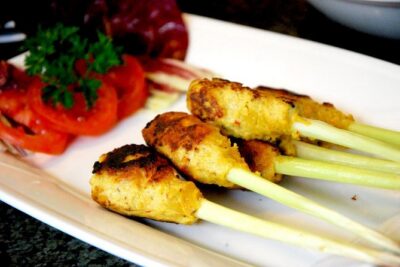
PRIVATE Balinese Cooking Class in Ubud with Dewa with Transfers
Read our review →Browse the lists this tour appears in