
Reviewed · WALKING TOURS
Ubud Guided Walking Tour
Ubud makes more sense when you know its stories. This three-hour walk links Gunung Lebah Temple, Campuhan Ridge, Museum Puri Lukisan, Ubud Palace, and the private Puri Kantor compound in a compact introduction to Bali’s cultural center. I like the way it combines major Ubud sights with history, art, religion, and royal life instead of treating the town as a string of photo stops. I also like the small maximum group of eight, which gives the English-speaking guide room to answer questions and adjust the pace.
The main consideration is physical. You will walk for about three hours through an urban area with uneven temple stairs, steep sections, and patchy sidewalks. There is no hotel pickup or drop-off, and Bali’s rain can affect the start time. Still, at $28.36 per person, the included museum ticket, private compound access, and personal guiding make this a strong-value way to get your bearings in Ubud.
In This Review
- Key points about the Ubud Story Walks experience
- Why this walk is a useful first look at Ubud
- Starting near Cantina Rooftop Restaurant
- Gunung Lebah Temple and Bali’s Hindu foundations
- Campuhan Ridge and the Dutch colonial chapter
- Museum Puri Lukisan and the artists who changed Ubud
- Ubud Palace and the working meaning of royalty
- Puri Kantor and access beyond the usual route
- The guides are a major part of the value
- Is $28.36 a fair price?
- Comfort, weather, and practical planning
- Who should book this Ubud walk?
- Should you book the Ubud Guided Walking Tour?
- FAQ
- How long is the Ubud Guided Walking Tour?
- What places does the tour visit?
- Is the Museum Puri Lukisan entrance fee included?
- Where does the tour begin and end?
- Is hotel pickup included?
- How large is the tour group?
- Can I cancel for a full refund?
Key points about the Ubud Story Walks experience

- Five meaningful stops in three hours: The route covers a temple, colonial-era bridge area, art museum, royal palace, and Balinese compound.
- Small groups capped at eight: You get a more personal walk, with time for questions and direct conversation.
- Strong local storytelling: Guides such as Windari, Win, Ira, and Ilia have been praised for clear explanations, humor, patience, and an interactive style.
- Museum admission included: The Rp 95,000 entrance fee for Museum Puri Lukisan is part of the tour price.
- Special access at Puri Kantor: The final stop offers entry to the compound of Tjokorde Gede Raka Sukawati, the Prince of Ubud.
- Plan for Bali conditions: Bring a refillable bottle, wear practical shoes, and allow for rain, stairs, and uneven pavement.
Why this walk is a useful first look at Ubud

Ubud can feel confusing at first. Temples, galleries, royal compounds, cafés, traffic, and busy sidewalks all share a fairly small area. A good walking tour helps you connect the pieces.
This route gives you a clear story. You begin with Balinese Hindu traditions, move through colonial history, then look at the art movement that helped make Ubud famous. From there, you enter the royal world and finish with a closer look at a Balinese compound linked to the town’s development.
I especially like this order because it moves from old religious foundations toward modern Ubud. You are not simply ticking off landmarks. You are learning why the town became a center for artists, why royal families still matter, and how outside influences changed local culture.
The group limit matters, too. With no more than eight people, the guide can usually keep the walk conversational rather than turning it into a speech delivered to a crowd. The available guiding languages include English and Indonesian, and English-speaking guides named in the feedback include Windari, Win, Ira, and Ilia. Ira was praised for thoughtful answers and an interactive approach, while Windari was appreciated for a funny and engaging way of explaining Bali and Ubud.
More Walking Tours in Ubud
- Sidemen Trekking: A Walk from a Different Perspective
★ 5.0 · 94 reviews - Ubud Countryside Tour: Campuhan Ridge Walk and Rice Terrace
★ 5.0 · 72 reviews - Hikaria: Bali’s First Immersive Night Walk
★ 5.0 · 16 reviews
Starting near Cantina Rooftop Restaurant
The tour begins at Cantina Rooftop Restaurant in UbudSayan, Ubud, Gianyar Regency. Since transportation is not included, you need to make your own way to the meeting point. That is important in Ubud, where short distances can take time by car when roads are crowded.
Use the mobile ticket and confirmation you receive at booking, and check the meeting details before leaving your accommodation. The tour ends at Puri Kantor on Jalan Suweta, No. 1, in Ubud. Because the start and end points differ, this is not a loop back to your hotel or restaurant.
I would schedule this walk early in your Ubud stay. It can give you a useful mental map and help you decide where to return later. The route also passes through places that may be easy to overlook if you explore only by taxi or on your own.
Gunung Lebah Temple and Bali’s Hindu foundations
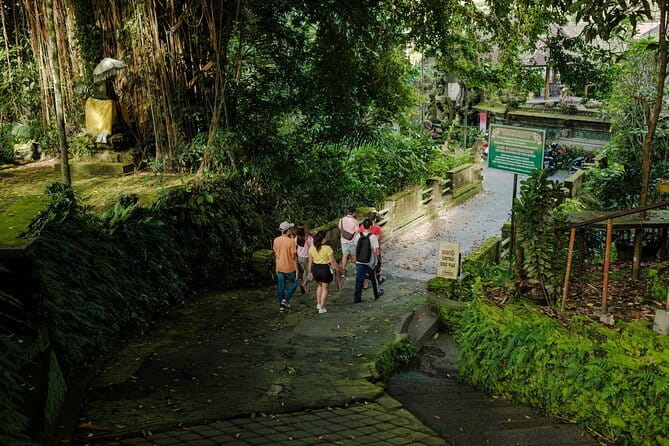
The first stop is Gunung Lebah Temple, where you spend about 20 minutes outside Ubud’s oldest temple. The guide explains how Hinduism arrived in Bali and points out architectural features that reveal how Balinese temples work within community life.
This is a good opening because Balinese temples are more than decorative buildings. Their design and use connect religion with village organization, ceremonies, family duties, and shared community work. A guide can help you notice those links instead of seeing only gates, stone carvings, and offerings.
The stop is also a reminder to dress and behave respectfully around sacred places. You should expect steps and uneven surfaces. The tour does not promise that every area will be easy to reach, so travelers with mobility limits should think carefully about the physical demands before booking.
The time here is short, but that is probably sensible. You receive the essential context without spending the whole morning at one site. The temple works as a first chapter, giving the rest of the walk a cultural frame.
Campuhan Ridge and the Dutch colonial chapter

Next comes the Campuhan Ridge Walk area, including a modest bridge dating from the Dutch colonial period. The stop lasts about 20 minutes and adds a less obvious layer to Ubud’s story.
The guide discusses the Dutch East India Company and the Dutch role in colonization, including the ways Dutch policies encouraged tourism and outside attention in Bali. This matters because Ubud’s present identity did not develop in isolation. Foreign visitors, artists, colonial interests, and Balinese leaders all played a part in shaping its public image.
Do not expect a long hike along the ridge based on the listed timing. The stop is a brief historical and scenic part of the wider walking route. You will still need to handle gradients and uneven pavement, and the weather can affect how comfortable this section feels.
I like this stop because it prevents the tour from presenting Ubud as an untouched cultural village. You get a more honest picture: Bali’s traditions remain strong, but modern tourism and colonial history also helped shape what you see today.
More walking tours:
- Tetebatu Walking Tour – Rice Terraces, Waterfall & Monkey Forest
★ 5.0 · 349 reviews - Small-Group Walking and Food Tour by Night in Yogyakarta
★ 5.0 · 313 reviews - Bali Private Food Walking Tour With Locals: The 10 Tastings
★ 5.0 · 243 reviews - Ubud yoga, rice terrace walk and floating Breakfast tour
★ 5.0 · 85 reviews
Museum Puri Lukisan and the artists who changed Ubud

The longest stop is Museum Puri Lukisan, with about 45 minutes inside Ubud’s oldest art museum. Admission is included, with the stated ticket value of Rp 95,000.
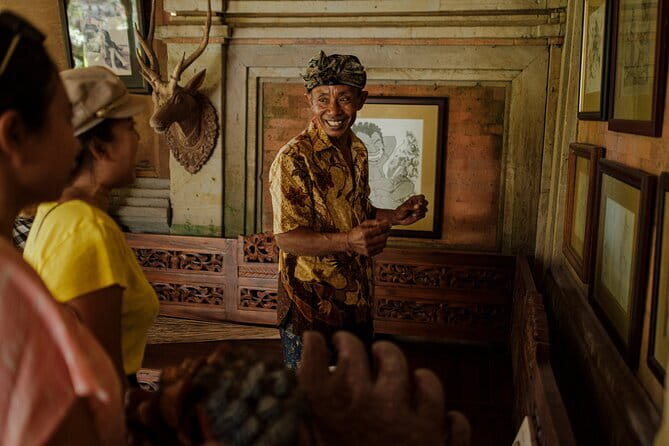
This is likely the cultural center of the tour. The guide explains the cooperation between Balinese and Western artists during the 20th century and how that exchange helped establish Ubud as an art destination. That background is useful because it shows that Ubud’s art scene developed through collaboration, debate, and contact between local painters and foreign artists.
A museum visit also gives you a break from the pavement. After the temple and bridge area, you can spend time looking closely at paintings and learning how artistic styles and ideas shifted. Forty-five minutes is enough for a guided introduction, though not enough for every gallery or every work. If you are a serious art enthusiast, you may want to return later on your own.
The museum ticket adds real value to the price. You are not paying only for a guide to point out buildings from the street. You receive access to a cultural institution that helps explain why Ubud became known well beyond Bali.
The guide’s role matters here. The most useful museum explanation will connect the works to the larger story of Ubud rather than simply name artists or styles. The feedback about Windari, Win, Ira, and Ilia points to guides who explain clearly, answer questions, and keep the tone lively.
Ubud Palace and the working meaning of royalty

The fourth stop is Ubud Palace, where the walk enters the outer courtyards for about 15 minutes. Here you learn about the past and present roles of Balinese royalty, palace architecture, and traditional cremation rituals.
The short visit is focused. You should not expect access to every part of the palace or a long architectural tour. Instead, the guide uses the courtyards to explain how royal households functioned and how their influence remains part of Ubud’s identity.
The cremation discussion adds a valuable reminder that palace life is tied to ceremony, family, and public responsibility. Balinese rituals can be complex, and a local guide can give you a basic framework without asking you to absorb every detail at once.
This section may be especially useful if you have seen palace buildings elsewhere in Bali but never understood their role. The tour puts architecture alongside social history. You learn not just what a royal gate looks like, but why the compound matters.
Puri Kantor and access beyond the usual route
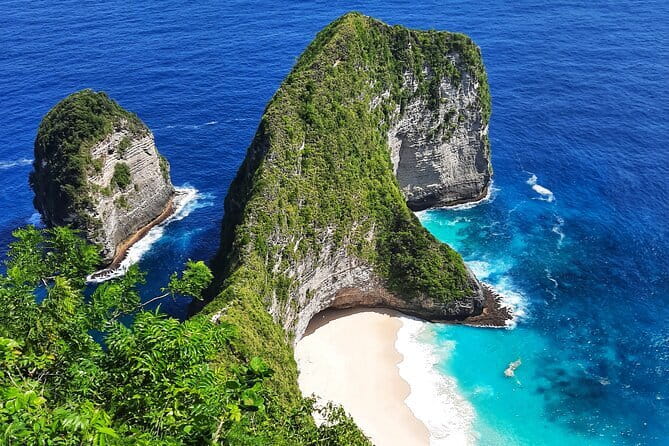
The final stop is Puri Kantor on Jalan Suweta. You receive special access to the compound of Tjokorde Gede Raka Sukawati, the Prince of Ubud, who helped shape modern Ubud and co-founded the Pitamaha Foundation.
This is the part that gives the walk a more personal feel. Public landmarks can show you the official face of Ubud, but a compound connected to a royal family offers a closer look at the setting in which local power, culture, and artistic life developed.
You should keep expectations sensible. The supplied details do not promise a full palace performance, a private meeting, or access to every room. The value is the special entry itself and the guide’s explanation of the prince’s role in Ubud’s development.
Ending here also gives the tour a logical finish. You have moved from a public temple to a bridge shaped by colonial history, then to a museum, a royal palace, and finally a more restricted compound. The sequence narrows from broad public history to a more specific place connected with Ubud’s ruling family.
The guides are a major part of the value
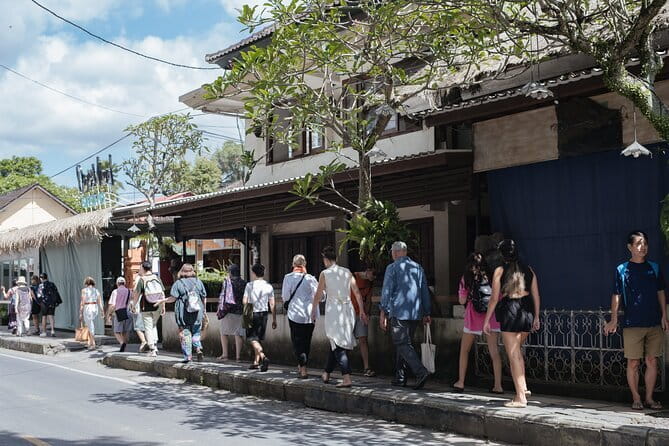
A walking tour is only as good as its explanation. Here, the guide quality receives repeated praise, especially for storytelling, humor, patience, and the ability to answer questions.
Windari is described as an expert guide with a funny and captivating style. Win is praised as an excellent host who explains Bali’s history and responds kindly to questions. Ira is noted for being thoughtful, interactive, and clear in English. Ilia is described as considerate and informative, with a strong command of Ubud’s important places and stories.
Those details help you understand the likely tone. This is not meant to be a silent march from one landmark to the next. You should expect conversation and interpretation. If you like asking why a building looks a certain way, how a ceremony works, or how Ubud changed over time, the small group should work well for you.
Guide quality can vary on any scheduled tour, so I would not book solely to meet one named person. Still, the repeated praise for several guides suggests that the operator has a strong guiding culture rather than relying on one lucky assignment.
Is $28.36 a fair price?
At $28.36 per person, the tour offers solid value if you want history and context, not just directions between sights.
The price includes:
- A local English-speaking guide
- A guided three-hour walking route
- Museum Puri Lukisan admission
- Special access to a Balinese compound
- Local discounts
- An Indonesian guide option
The museum entrance alone is listed at Rp 95,000. Add three hours of guiding, a group limit of eight, and access to a place you may not enter during ordinary sightseeing, and the cost is reasonable.
The value is less clear if you prefer wandering alone or already know Ubud well. You will still need to pay for your own drinks, food, and transport to the meeting point. There is no hotel pickup or drop-off, so factor in those costs and the extra planning.
For a first visit, I think the price works particularly well. You get a compact introduction without committing to a full-day excursion or a large coach tour.
Comfort, weather, and practical planning
Bring comfortable walking shoes. The route includes temple stairs, steep gradients, and uneven or patchy sidewalks, so sandals with poor grip may become annoying.
The tour operates in rain or shine, but severe weather, such as an intense downpour, can affect the starting time. The operator may call before the tour if conditions are serious. Keep your phone available and avoid planning a tight connection immediately afterward.
Bring a reusable water bottle. The operator encourages refills to help reduce plastic waste in Bali’s rivers. This is a small practical step, but it also suits a walking tour better than buying several disposable bottles along the way.
Most people can take part, and service animals are allowed. The activity is near public transportation, but you are responsible for reaching the start and leaving the end point. The route is not described as wheelchair-friendly, and the uneven stairs and steep sections are worth taking seriously.
Free cancellation is available if you cancel at least 24 hours before the local start time. Within 24 hours, the amount paid is not refunded, and changes are not accepted.
Who should book this Ubud walk?
I would recommend it to first-time Ubud visitors who want an introduction with substance. It suits you if you enjoy temples, art, royal history, and local explanations more than shopping or food tasting.
It also fits solo visitors and couples who prefer a small group. The maximum of eight people keeps the walk from feeling like a crowd, while the guide’s conversational style can make it easier to ask questions.
Families with older children may enjoy it, provided everyone can manage three hours of walking, stairs, and uneven ground. People with limited mobility should contact the operator before booking or choose a gentler activity.
I would be less enthusiastic if you want a long countryside hike, a meal, hotel transfers, or a deep museum study. This is a town history walk with several short stops, not a full-day nature trip or an art course.
Should you book the Ubud Guided Walking Tour?
Book it if you want to understand Ubud instead of simply photograph it. The route covers the town’s religious roots, colonial past, art connections, royal traditions, and modern identity in about three hours.
The strongest reasons to go are the small group, included museum ticket, special compound access, and guides who are praised for making history clear and enjoyable. The main caution is the walking itself. Bring good shoes, prepare for heat or rain, and arrange your own transport to Cantina Rooftop Restaurant.
For $28.36, this is a sensible first-day activity in Ubud, especially if you want a friendly guide to help the town make sense.
FAQ
How long is the Ubud Guided Walking Tour?
The tour lasts approximately three hours.
What places does the tour visit?
The route includes Gunung Lebah Temple, the Campuhan Ridge Walk area, Museum Puri Lukisan, Ubud Palace, and Puri Kantor.
Is the Museum Puri Lukisan entrance fee included?
Yes. Museum Puri Lukisan admission is included, with a stated value of Rp 95,000.
Where does the tour begin and end?
The tour begins at Cantina Rooftop Restaurant in UbudSayan and ends at Puri Kantor, Jalan Suweta No. 1, Ubud.
Is hotel pickup included?
No. Pickup and drop-off from your accommodation are not provided.
How large is the tour group?
The tour has a maximum of eight travelers.
Can I cancel for a full refund?
Yes, if you cancel at least 24 hours before the experience start time. Cancellations within 24 hours are not refunded, and changes during that period are not accepted.
Newest reviews from Ubud
- Explore Rice Fields and Hidden Villages with Ubud E-Bike Tour★ 5.0 · 7 reviews
- Monkey Forest Ubud Half day Tour★ 4.0 · 7 reviews
- Private Tour: Heaven Gate Temple, Tirta Gangga and Blue Lagoon Snorkeling★ 5.0 · 7 reviews
- Ubud Monkey Forest Rice Terrace Temple Waterfall Private Tour★ 5.0 · 7 reviews
- UBUD : Temple and Waterfall All Inclusive Day Tour★ 5.0 · 7 reviews
- Bali – Silver Jewelry Making Class★ 5.0 · 7 reviews
- One way fast Boat between Padangbai and Gili Islands or Lombok★ 5.0 · 7 reviews
- Bali ATV Quad Bike and White Water Rafting – All Inclusive★ 5.0 · 7 reviews
Walking Tours, compared.

Tetebatu Walking Tour – Rice Terraces, Waterfall & Monkey Forest
Read our review →
Bali Private Food Walking Tour With Locals: The 10 Tastings
Read our review →
Sidemen Trekking: A Walk from a Different Perspective
Read our review →
Ubud yoga, rice terrace walk and floating Breakfast tour
Read our review →

Ubud Countryside Tour: Campuhan Ridge Walk and Rice Terrace
Read our review →
Night Walking Tour-Malioboro street food with guide at Yogyakarta
Read our review →Ubud Tour : Jungle Swing – Campuhan Ridge Walk – Tegenungan Waterfall
Read our review →Browse the lists this tour appears in