
Reviewed · WORKSHOPS
Private Tour: Ubud Day Tour with Traditional Offering Lesson
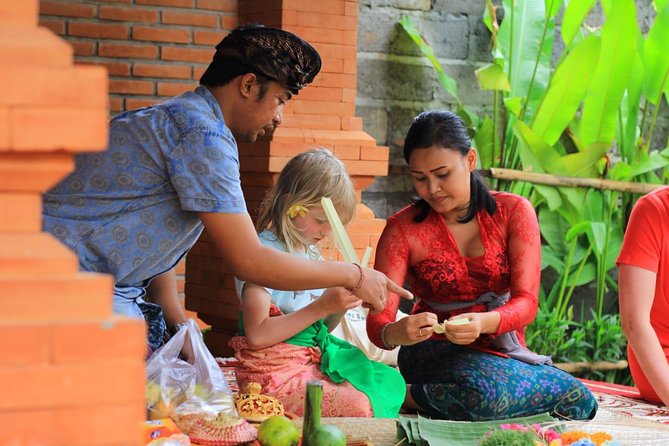
Ubud opens up beyond its postcard views. This private, full-day outing combines a Balinese offering lesson in a local home with the area’s best-known sights, including the Sacred Monkey Forest, Tegalalang Rice Terrace, temples, a market, and a coffee plantation. I like that the day is not only about taking pictures. You also get a look at how Balinese families prepare a ceremonial offering and why it matters.
I especially like the private guide and hotel pickup, since both make a long day easier to manage. The chance to meet a local family is the strongest part, and a past guest singled out guide Dewa for his excellent English and warm welcome at his home, where she met his pregnant wife and mother. The main drawback is the packed schedule. Ten hours gives you a lot, but stops at the monkey forest, rice fields, market, temples, arts workshops, and coffee plantation can make the day feel busy.
In This Review
- Key Points to Know Before Booking
- What the $61.54 Price Really Buys
- Starting at 8:00 a.m. With Pickup
- Meeting Ubud’s Monkeys in the Sacred Forest
- Walking Through the Tegalalang Rice Terraces
- Learning to Make a Balinese Ceremonial Offering
- Seeing Batik, Silver, and the Ubud Craft Tradition
- Bargaining at Ubud Traditional Art Market
- Lunch, Coffee, and the Luwak Story
- Temples and the Spiritual Side of Ubud
- Who Will Enjoy This Day Most
- Should You Book This Ubud Tour?
- FAQ
- What time does the Ubud day tour start?
- How long does the tour last?
- Is hotel pickup and drop-off included?
- What is included in the tour price?
- Is the tour suitable for children?
- What is the cancellation policy?
Key Points to Know Before Booking
- A local-home offering lesson: Learn to prepare a traditional Balinese ceremonial offering and take part in a spiritual experience with a local family.
- Private transport and guide: Hotel pickup and drop-off are included, with a guide who can help explain customs and manage the day.
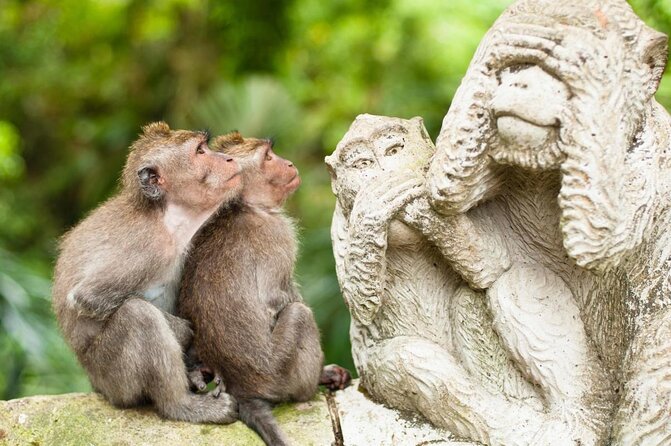
- Six hundred-plus macaques: The Sacred Monkey Forest is home to more than 600 long-tailed macaques, along with a sacred temple sanctuary.
- Rice-farming context: At Tegalalang, you can walk around the rice terraces and see how traditional farming supports daily life.
- Lunch is included: The midday meal is part of the price, though alcoholic drinks cost extra.
- Good family appeal: The monkeys, craft stops, market, food, and hands-on lesson give children several kinds of activity.
What the $61.54 Price Really Buys
At $61.54 per person, this tour is priced less like a simple sightseeing transfer and more like a full day of services. You are paying for about 10 hours, a private guide, hotel pickup and drop-off, lunch, bottled water, entrance to the listed attractions, and the local cultural experience.
That is useful value if you want to see several parts of Ubud without arranging separate drivers, tickets, and meals. A private vehicle also means you do not have to follow a large coach group or spend time waiting for strangers. The tour can accept up to 15 people, but the word private is important here: confirm how your party will be handled if you are traveling with a larger group.
The price becomes especially appealing for families or small groups. A private day lets you ask questions, spend a little longer at a stop that interests you, or keep moving when the children have had enough. Group discounts are also available, so the per-person cost may work better for a larger booking.
There are a few limits. Alcoholic drinks are not included, and the price does not promise unlimited time at every attraction. You should see this as a broad introduction to Ubud, not a slow, specialist tour of one temple, one village, or Balinese coffee.
More workshops and classes in Ubud:
- Ubud Cooking Class Bali with Balinese Chef
★ 5.0 · 1,609 reviews - Ubud Silver Class Jewelry making in bali
★ 5.0 · 978 reviews - PRIVATE Authentic Balinese Cooking Class in Ubud at Putu’s Home
★ 5.0 · 644 reviews
Starting at 8:00 a.m. With Pickup
The day begins at 8:00 a.m., with pickup and drop-off at your hotel included. That is a practical advantage in Ubud, where arranging transport between scattered sights can take time and attention away from the experience.
A full day on the road can be tiring, so start with sensible expectations. Wear footwear suitable for walking, bring sun protection, and keep water nearby. Bottled water is supplied, but you will still want to dress for warm outdoor stops and carry anything you need for a family day out.
The order of activities can affect how the day feels. The listed route includes the Sacred Monkey Forest, Tegalalang Rice Terrace, and Ubud Traditional Art Market, while the wider experience also includes temples, a coffee plantation, batik producers, silversmiths, and the local-home offering lesson. Ask your guide at the start how the day will be arranged.
Meeting Ubud’s Monkeys in the Sacred Forest
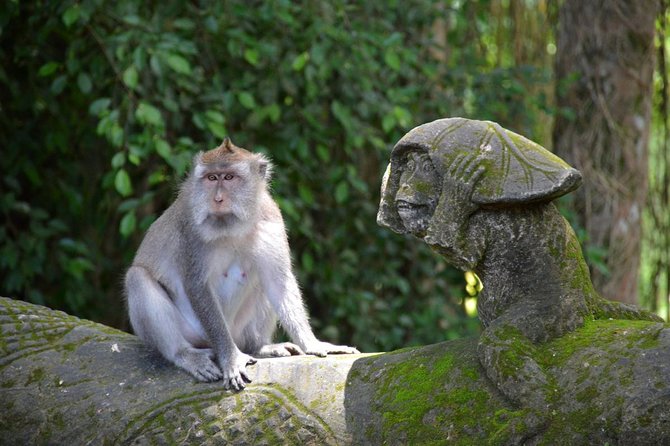
The Sacred Monkey Forest Sanctuary gives you one hour among tropical greenery close to central Ubud. More than 600 long-tailed macaques live in the forest, and a sacred temple sanctuary is part of the setting.
This stop works well early in the day because it gives you an immediate sense of Ubud’s mix of nature and religion. You are not simply walking through a zoo. The monkeys move through a forest that also contains a temple area, creating the unusual sight of a living religious site guarded by macaques.
Give the monkeys space and follow your guide’s instructions. The description specifically mentions walking through the forest, so expect a short, active visit rather than a long nature hike. One hour is enough for a look around, but it may feel brief if you want to linger among the trees or spend extra time at the temple.
Families may enjoy this stop most of all, though younger children need close attention around the animals. The monkeys are the main attraction, but the temple sanctuary adds cultural meaning that makes the visit more than a wildlife stop.
Walking Through the Tegalalang Rice Terraces
The next major outdoor stop lasts about 45 minutes at Tegalalang Rice Terrace. Here, you can walk around the rice fields and see how local people cultivate rice for food.
The value of this visit is simple and practical. You see farming as part of everyday life rather than treating the terraces as a scenic backdrop. The guide can help connect the fields to traditional cultivation, giving the view some useful context.
Forty-five minutes is enough to stretch your legs and understand the basic setting. It is not a long agricultural visit, so do not expect a detailed farming lesson or an extended walk through every section of the terraces. Conditions underfoot may vary, and you should be prepared for outdoor walking.
I like the contrast between this stop and the monkey forest. One is a protected forest tied to a temple, while the other shows how people shape and use the land. Together, they give the day a broader sense of Ubud than a list of monuments would.
A few more tours worth putting side by side
- All-Inclusive Ubud Private Tour
★ 5.0 · 14,344 reviews - Best of Ubud Full-Day Tour with Jungle Swing
★ 5.0 · 8,571 reviews - Ubud: Monkey Forest, Jungle Swing, Rice Terrace, and Water Temple
★ 5.0 · 7,160 reviews - Best of Ubud 1-Day Private Tour
★ 5.0 · 4,451 reviews
Learning to Make a Balinese Ceremonial Offering
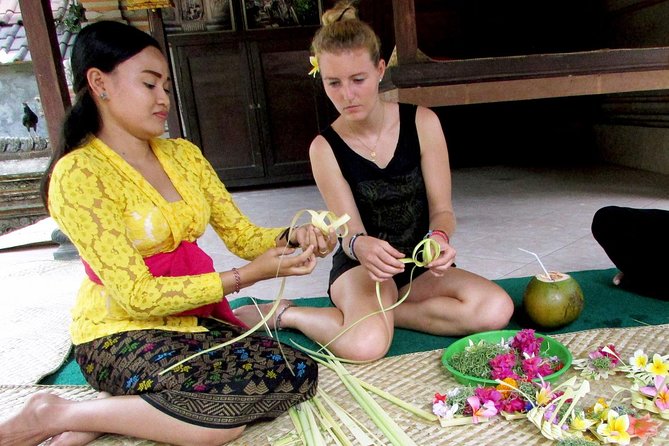
The most personal part of the tour takes place at a local home, where you learn to make a traditional offering and experience a spiritual ceremony. This is the feature that separates the outing from a standard Ubud highlights tour.
Balinese offerings are part of daily religious practice, and making one gives you a hands-on way to approach that tradition. The activity is valuable because you are not only looking at an object in a market or temple. You are learning about a custom in the setting of a family home.
The experience can also feel more intimate than the other stops. One account of the day praised guide Dewa, who brought his visitors to his home, where they met his pregnant wife and mother. That detail suggests the visit may offer a genuine family welcome rather than a staged performance, though the exact household and presentation can depend on the guide and the day.
You should approach this part respectfully. It is a religious practice, not simply a craft workshop. Listen carefully, follow the guidance of the family and guide, and ask before taking photographs. The tour description says you will take part in a ceremony, so this may be the most meaningful section for anyone interested in Balinese culture.
Seeing Batik, Silver, and the Ubud Craft Tradition
The route also includes meetings with batik producers and silversmiths along the way to Ubud. These visits add a working side to the tour, showing how local makers turn skill and materials into objects used or sold in Bali.
Batik is associated with patterned cloth, while silversmithing brings attention to small-scale metal craft. You may find these stops useful if you want to understand the making process before reaching the market. They also give you a chance to see how craft production fits into the local economy.
Keep your expectations clear. A visit to a producer can also function as a shopping stop, and no purchase is required by the information provided. If you are not looking to buy, enjoy the demonstration or working environment and set your budget before the day begins.
These stops will suit shoppers and craft fans more than anyone seeking uninterrupted scenery. Still, they break up the outdoor visits and make the day feel more connected to local work.
Bargaining at Ubud Traditional Art Market
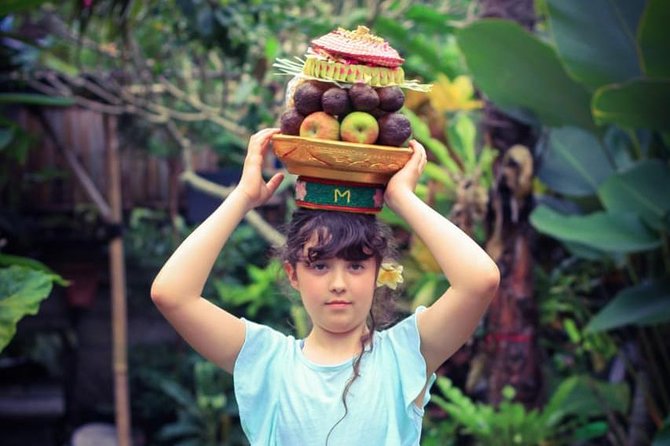
The Ubud Traditional Art Market receives about one hour. You can look through locally made handicrafts and practice bargaining with sellers.
This is a good place to browse after seeing crafts being produced. You may recognize the kinds of handmade goods sold in the market, though the information does not specify exactly which products will be available on your visit. The guide can help you get used to negotiating prices, and sellers are described as willing to offer their best price.
Bargaining is part of the market experience, but keep it friendly. Decide what an item is worth to you before you start, and do not negotiate over something you have no intention of buying. One hour gives you time to walk around and inspect goods, but not necessarily enough time for a long, unhurried shopping session.
The market may be less appealing if you prefer quiet cultural sites. For many people, though, it adds energy and a chance to take home something made in Bali rather than a mass-produced souvenir.
Lunch, Coffee, and the Luwak Story
Lunch is included, which matters on a 10-hour tour. You will taste classic Balinese dishes while dining beside lush rice fields, giving the meal a scenic setting and a useful pause in the schedule.
The exact menu is not stated, so you should not book this expecting a particular dish. Bottled water is included, while alcoholic drinks are not. If you have dietary needs, ask before the day begins because no special meal information is provided.
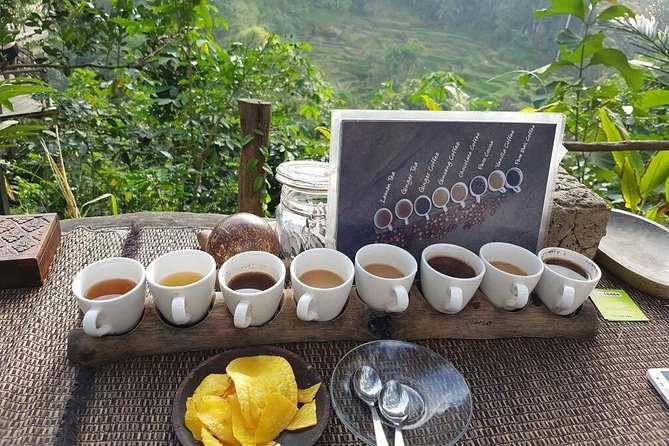
The coffee plantation visit focuses on luwak coffee, made with the help of the elusive luwak. The tour gives you a chance to learn how local producers work with this animal in creating one of the world’s most expensive coffees.
This stop may appeal to coffee drinkers and anyone curious about unusual food production. It also calls for thoughtful questions. The description explains the connection between the luwak and the coffee, but it does not provide details about animal welfare practices at the plantation. If that issue matters to you, ask the guide or plantation staff how the animals are treated before deciding what you want to taste or buy.
Temples and the Spiritual Side of Ubud
Temples form another part of the day, including the sacred sanctuary within the monkey forest. The tour’s main strength is the way temples are paired with the home offering lesson, rather than treated as isolated photo stops.
You get to see religious practice in more than one setting. At the forest, the temple sits among trees and macaques. At the local home, the offering lesson brings the focus to family life and ceremony. This combination can help you understand that Balinese spirituality is present in public sacred places and ordinary household routines.
The exact temple names and visit times are not specified, so do not assume that every major Ubud temple is included. Ask your guide which temples are planned and what clothing or conduct is expected. The supplied details do not state a dress code, but respectful behavior is always appropriate at religious sites.
Who Will Enjoy This Day Most
I would recommend this tour to you if you want a wide first look at Ubud and prefer a private guide to a fixed coach schedule. It suits couples, families, and small groups who want culture, animals, scenery, shopping, food, and coffee in one day.
Families have several easy points of interest: macaques in the forest, open rice fields, handmade crafts, a market, and a practical offering lesson. The private format can also make the day less stressful when children need a little flexibility.
It is less suitable if you want a slow pace. The tour covers many themes and places, and 10 hours can pass quickly. Serious photographers may want longer at Tegalalang or the forest. Dedicated shoppers may want more than one hour at the market, while coffee specialists may prefer a plantation visit focused only on production.
Most people can participate, but the tour involves walking at the forest, rice terraces, market, and other outdoor locations. A minimum of two people is required per booking. Confirmation is provided at booking, and free cancellation is available if you cancel at least 24 hours before the local start time.
Should You Book This Ubud Tour?
Book it if you want personal contact with Balinese culture, not just a sequence of famous views. The local-home offering lesson, especially with a guide such as Dewa who is praised for clear English and a welcoming manner, gives the day its strongest human element.
The $61.54 price is fair for a private 10-hour outing with transport, lunch, water, guide, and admissions included. Just accept that the schedule is broad and active. If you want one thoughtful cultural experience paired with Ubud’s essential sights, this is a strong choice. If you prefer slow travel or detailed time at each location, choose a shorter, more focused tour instead.
FAQ
What time does the Ubud day tour start?
The tour starts at 8:00 a.m.
How long does the tour last?
The tour lasts approximately 10 hours.
Is hotel pickup and drop-off included?
Yes. Hotel pickup and drop-off are included.
What is included in the tour price?
The price includes lunch, bottled water, a local guide, private touring, hotel pickup and drop-off, and admission tickets for the listed ticketed stops.
Is the tour suitable for children?
Yes. The experience is described as fun and suitable for families, and most people can participate.
What is the cancellation policy?
You can cancel for a full refund up to 24 hours before the experience start time. Cancellations or changes made less than 24 hours before the start are not accepted for a refund.
Newest reviews from Ubud
- Explore Rice Fields and Hidden Villages with Ubud E-Bike Tour★ 5.0 · 7 reviews
- Monkey Forest Ubud Half day Tour★ 4.0 · 7 reviews
- Private Tour: Heaven Gate Temple, Tirta Gangga and Blue Lagoon Snorkeling★ 5.0 · 7 reviews
- Ubud Monkey Forest Rice Terrace Temple Waterfall Private Tour★ 5.0 · 7 reviews
- UBUD : Temple and Waterfall All Inclusive Day Tour★ 5.0 · 7 reviews
- Bali – Silver Jewelry Making Class★ 5.0 · 7 reviews
- One way fast Boat between Padangbai and Gili Islands or Lombok★ 5.0 · 7 reviews
- Bali ATV Quad Bike and White Water Rafting – All Inclusive★ 5.0 · 7 reviews
Workshops, compared.
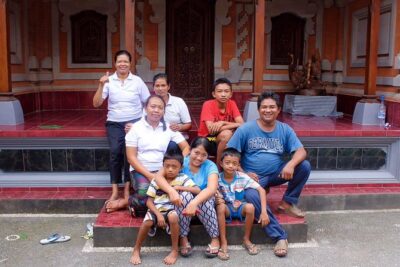
PRIVATE Authentic Balinese Cooking Class in Ubud at Putu’s Home
Read our review →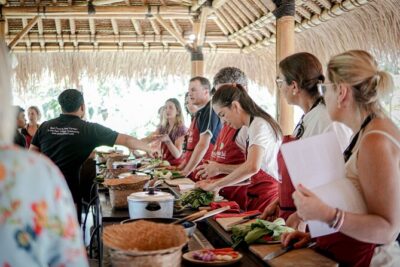

Learn to cook Indonesian food at Gili Cooking Classes Trawangan
Read our review →
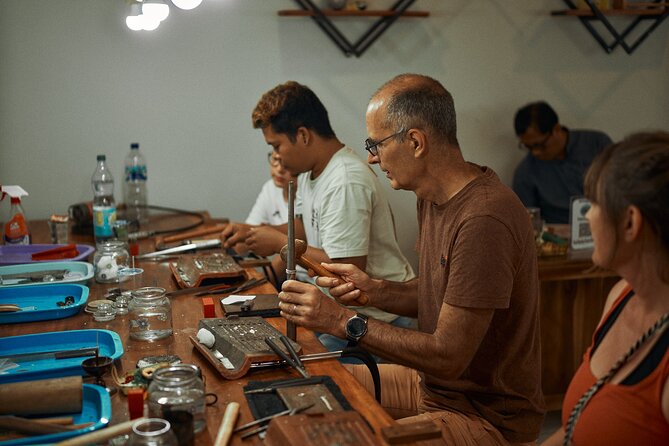
Ubud Monkey Forest Silver Class – Craft Your Own Silver Jewelry
Read our review →
Browse the lists this tour appears in