
Reviewed · COOKING CLASSES
Bali Ubud Paon Cooking Class
Come hungry, leave with recipes.
The Paon Bali Cooking Class gives you a practical way to understand Balinese food, not just eat it. I like the small-group setting, where a professional cook can explain the purpose of spices and guide you through each step. I also like the morning market visit, which connects the dishes on your plate with the local produce and ingredients used to make them.
The main drawback is simple: the afternoon session does not include the market. Hotel transfers cover the Ubud area only, and the booking is non-refundable, so you need to choose your time and pickup details carefully.
In This Review
- Key points at a glance
- Why this cooking class is worth your morning
- Stop one: Ubud Traditional Art Market
- Stop two: Paon Bali Cooking Class
- What you might cook and eat
- The teaching style and atmosphere
- Morning or afternoon: which should you book?
- Transfers, timing, and group size
- Is the $44 price good value?
- What to know before booking
- Who will enjoy Paon Bali most?
- Should you book the Paon Bali Cooking Class?
- FAQ
- Where does the Paon Bali Cooking Class take place?
- How long does the cooking class last?
- Is hotel pickup included?
- Can I book pickup outside Ubud?
- Does every session visit the market?
- Which market does the morning session visit?
- Is lunch included?
- Do I receive a certificate?
- How many people can join the class?
- Can I cancel for a refund?
Key points at a glance
- A market-led morning: The morning session begins at Ubud Traditional Art Market, where you learn about local produce, fruit, and spices before cooking.
- A five-hour food experience: The class includes instruction, hands-on preparation, lunch, and a cooking certificate.
- Traditional setting: Cooking takes place at a Balinese home, including Wayan’s home according to the experience details shared by past participants.
- Dishes you can recreate: You may prepare food such as banana-leaf fish and minced chicken satay, with recipes available to help you cook at home.
- Convenient Ubud transport: Hotel pickup and return are included within the Ubud area, with an extra charge for locations outside it.
- Good group size: The class accepts no more than 15 people, enough for a social atmosphere without becoming a huge demonstration.
Why this cooking class is worth your morning
Ubud has no shortage of cooking classes, but Paon Bali gets the basic idea right: food makes more sense when you see the ingredients before they reach the kitchen. Instead of starting with a prepared workstation and a list of instructions, the morning option begins at a traditional market.
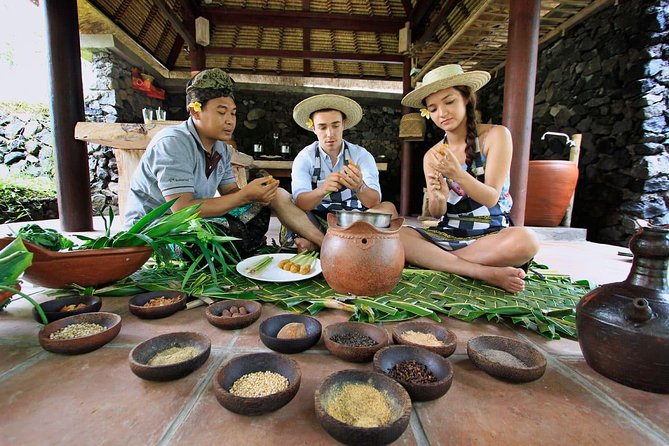
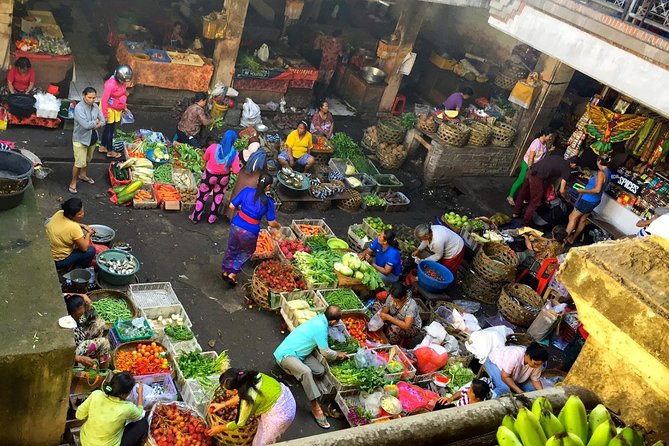
That first stop gives you useful context. You can look at local fruit, vegetables, spices, and other ingredients that may be unfamiliar if you usually cook in Europe, Australia, or North America. The market guide explains how ingredients are used, and you have the chance to buy spices that can be difficult to find at home.
I especially like this connection between shopping and cooking. It turns the class into more than a pleasant meal with a recipe card. You begin to see why Balinese food has such distinctive flavor, and you get a better sense of what can and cannot be substituted in your own kitchen.
The experience has earned a 4.9 rating from 117 ratings, with 96 percent of people recommending it. Those numbers fit the strongest parts of the class: the friendly instruction, the organized pace, the setting, and the chance to prepare several dishes yourself.
More Cooking Classes in Ubud
- Ubud Cooking Class Bali with Balinese Chef
★ 5.0 · 1,609 reviews - PRIVATE Authentic Balinese Cooking Class in Ubud at Putu’s Home
★ 5.0 · 644 reviews - Balinese Ubud cooking school (9 Dish Cooking and Market Tour)
★ 5.0 · 540 reviews
Stop one: Ubud Traditional Art Market
The morning class starts at Ubud Traditional Art Market. This is the part to choose if you want the fullest food experience.
The market visit is not just a quick walk past stalls. You are introduced to local produce and spices, with explanations about their uses. Some ingredients may be easy to recognize, while others will be less familiar. That makes the market a useful primer for the cooking session that follows.
A guide accompanies the group, and the market portion helps you understand what is distinctive about Indonesian cooking. You might find spices or packaged ingredients that you want to take home, although you should check your own country’s customs rules before buying anything for the flight home.
The morning timing matters. You see the market as part of the day’s working life, rather than as a staged food display. You also need to be ready for an early start, since the market is included only in the morning session.
If your schedule allows it, I would choose this option over the afternoon class. The afternoon session still includes the cooking and meal, but it skips the market entirely. That is the clearest difference between the two formats.
Stop two: Paon Bali Cooking Class
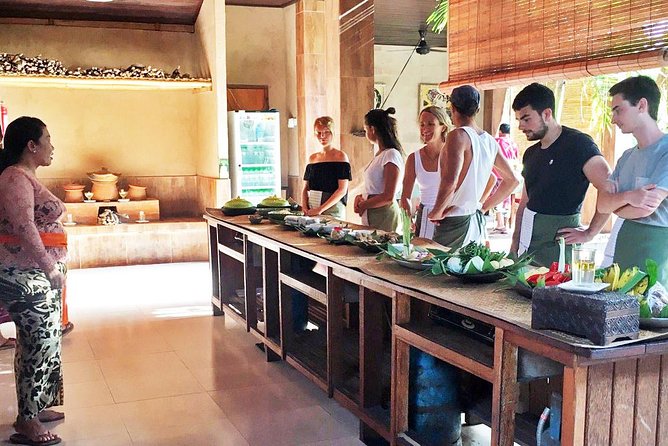
After the market, you are taken to the cooking class. The setting is a traditional Balinese home, with the kitchen arranged for instruction. One account describes the class at Wayan’s home, a detail that helps explain why the experience feels more personal than a standard restaurant lesson.
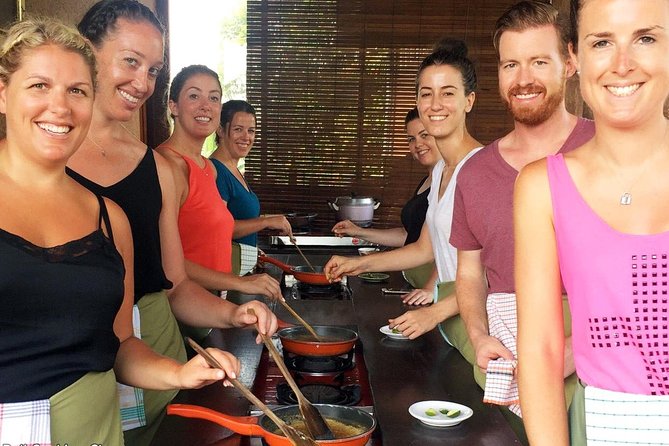
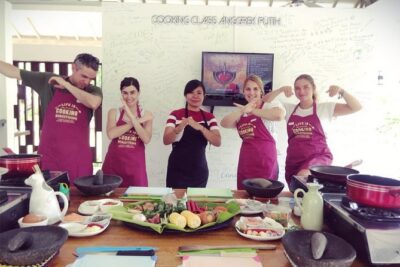
The class is designed for participation. You do not simply watch a chef prepare lunch while you stand at the edge of the room. The instructor demonstrates the methods, explains the ingredients, and gives you a chance to help prepare the meal.
That hands-on structure is valuable for anyone who hopes to cook Balinese food again. You learn what goes into each dish and how the ingredients work together. The recipes are provided, and you may also have the option of receiving them through WhatsApp.
The instruction appears well suited to mixed ability levels. Home cooks can ask about technique and seasoning, while beginners have enough guidance to keep up. The pace is active but not described as rushed, with support staff helping the preparation move along.
The group limit is 15 people. That is not a private lesson, but it is small enough to create a social class rather than a large audience. You may cook alongside couples, families, and solo participants from several countries. If you enjoy meeting people while doing something practical, this format works well.
What you might cook and eat
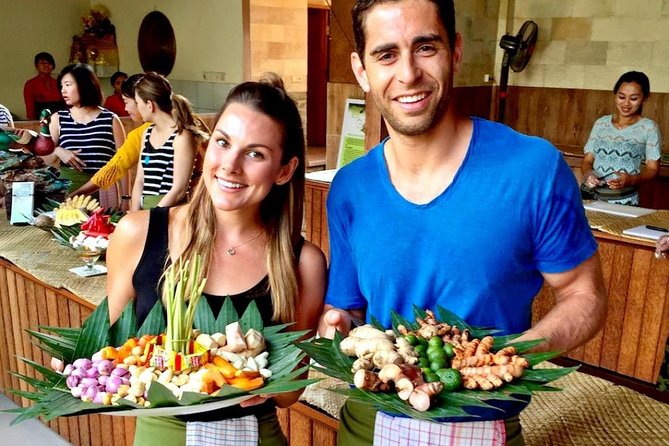
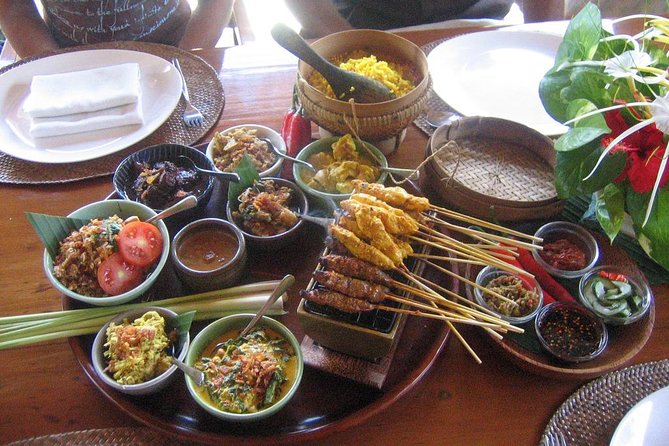
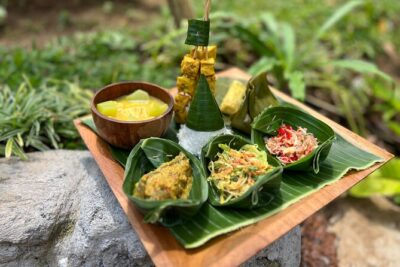
The menu includes dishes such as banana-leaf fish and minced chicken satay. These are useful choices for a cooking class because they show different techniques and textures.
Banana-leaf fish introduces you to the way leaves can be used in Balinese cooking. The leaf helps wrap and present the food, while also adding a distinctly local touch to the meal. Minced chicken satay gives you another method, with seasoned meat shaped for grilling or cooking on skewers.
The exact menu can vary, so you should not book with the expectation of a fixed restaurant-style list unless the provider confirms it. The clear promise is that you will prepare and eat Balinese dishes, with the class explaining the ingredients and steps.
Lunch is included, and eating what you have prepared is one of the best parts of the day. You can judge the balance of flavor for yourself, then decide which recipes are realistic to repeat at home.
Several people who took the class found the food to be one of its strongest features. That praise makes sense because the meal is not an afterthought. It is the payoff for the market visit, the preparation, and the instruction.
A completely different kind of day out on the same trip:
- All-Inclusive Ubud Private Tour
★ 5.0 · 14,344 reviews - Best of Ubud Full-Day Tour with Jungle Swing
★ 5.0 · 8,571 reviews - Ubud: Monkey Forest, Jungle Swing, Rice Terrace, and Water Temple
★ 5.0 · 7,160 reviews - Best of Ubud 1-Day Private Tour
★ 5.0 · 4,451 reviews
The teaching style and atmosphere
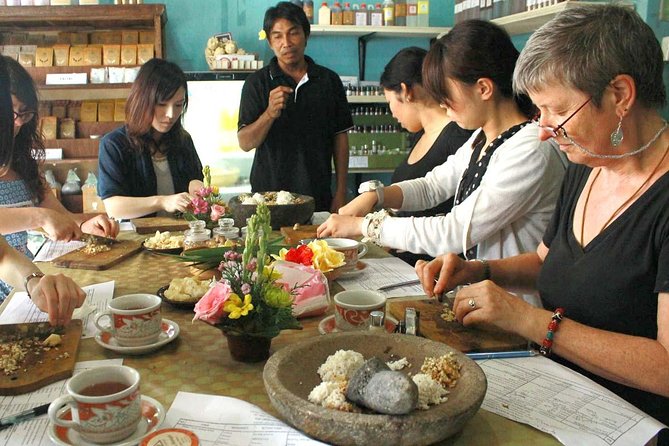
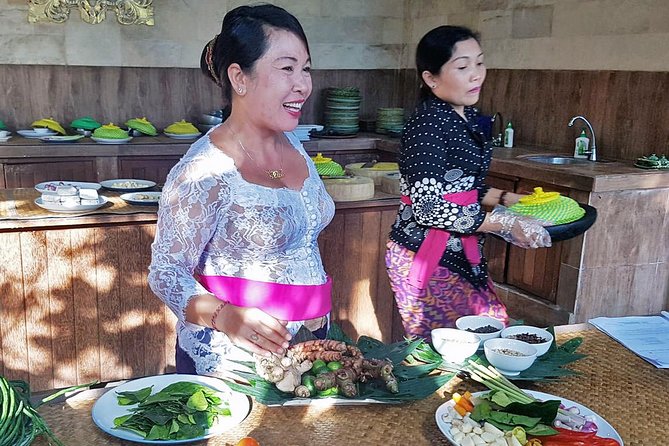
The instructors are repeatedly praised for being warm, encouraging, and fun. That matters in a cooking class. A stern or rushed teacher can make even a simple recipe feel like a test, while a relaxed instructor helps you try unfamiliar techniques without worry.
The class also benefits from support staff. Preparation is described as efficient and well organized, which is important when a group is making several dishes in a limited amount of time.
The home setting adds character. You are not only learning a recipe in a plain commercial kitchen. You are cooking in a Balinese setting with forest views, according to one account, and sharing the space connected with the class’s owner and chef.
At the same time, you should keep your expectations sensible. This is a group activity, not a private culinary consultation. You will have time to participate and ask questions, but the instructor must keep everyone moving at a similar pace.
The class works especially well for couples, families with older children, friends, and solo visitors who enjoy social activities. It also suits amateur home cooks who want more than a food demonstration.
Morning or afternoon: which should you book?
Choose the morning session if the market is important to you. It includes both the market visit and the cooking class, making it the fuller five-hour experience.
Choose the afternoon session if you prefer a simpler schedule or cannot manage an early start. You still receive hotel pickup within Ubud, the cooking instruction, lunch, and the certificate, but you will not visit the market.
The afternoon format can still be a good choice. One family booked that version and was taken from the hotel to Wayan’s home, where the class took place. If your main aim is learning how to prepare Balinese food, skipping the market does not remove the core cooking lesson.
I would not book the afternoon session by accident, though. If you specifically want to see local ingredients and buy spices, confirm that you are selecting the morning option before paying.
Transfers, timing, and group size
The activity lasts about five hours, so it takes a substantial part of your day. That is useful to know when planning Ubud sightseeing. Avoid placing an important timed activity immediately afterward, especially if you want to enjoy lunch without watching the clock.
Hotel transfers are included for hotels within the Ubud area. If you are staying outside Ubud, pickup and drop-off cost extra. The instructions say to select your nearest hotel if you are staying in a rental, so use a clear nearby hotel or meeting point when arranging transport.
The service is also near public transportation, and service animals are allowed. Those details may help if a hotel transfer does not suit your plans.
A maximum of 15 people keeps the class manageable, but it does not guarantee a tiny group. If you want a private experience, you should ask about that separately rather than assume the standard booking is private.
Confirmation is sent within 48 hours, subject to availability. Plan ahead rather than waiting until the last day, particularly since this experience is often booked about 18 days before the date.
Is the $44 price good value?
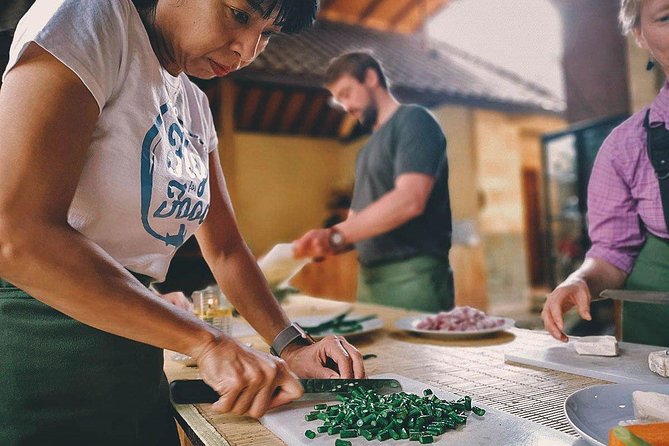
At $44 per person, the class offers more than a meal. The price includes the market visit for the morning session, hotel transfers within Ubud, cooking instruction, lunch, and a certificate.
The strongest value comes from combining several activities in one outing. A market tour, a cultural visit to a Balinese home, a guided cooking lesson, and lunch would each take time and money to arrange separately. Here, they form one organized experience.
The market visit is the deciding factor for me. If you book the morning class, the price covers both the food lesson and a guided look at local ingredients. If you book the afternoon class, the value depends more heavily on how much you want the cooking itself.
You should also count the practical benefit of the recipes. A restaurant meal disappears after lunch. A good cooking class can keep giving you value once you return home, especially if you can find the spices and ingredients needed to repeat the dishes.
The certificate is a pleasant extra, but it should not be the reason you book. The food, instruction, and local setting are the real value.
What to know before booking
The experience is non-refundable and cannot be changed for any reason. If you cancel or request an amendment, your payment is not returned. Check your dates, hotel location, and preferred session carefully before confirming.
Pickup outside Ubud costs extra. The included transfer is a useful benefit, but it is not a Bali-wide transport service.
The class is suitable for a range of cooking abilities, though the information does not specify dietary options or a vegetarian menu. If you have food allergies, dietary restrictions, or strong food preferences, contact the provider before booking and ask what can be adjusted.
You should also remember that the class involves eating the food prepared during the session. If you are booking for children, consider their interest in cooking and their willingness to try unfamiliar dishes.
The market is included only in the morning. That single detail is easy to miss and has a real effect on the day.
Who will enjoy Paon Bali most?
I would recommend this class to you if you want to understand Balinese food through ingredients and preparation, not just order another meal at a restaurant.
It is a particularly good fit for:
- Couples looking for a shared activity
- Families with older children
- Friends who enjoy food and social experiences
- Solo visitors who like meeting people in a small group
- Home cooks who want recipes and practical instruction
- First-time visitors to Bali who want a direct introduction to local cuisine
It may be less suitable if you want a private class, dislike group activities, or have a tightly packed Ubud schedule. You should also think twice if the non-refundable policy makes you uncomfortable.
Should you book the Paon Bali Cooking Class?
Yes, if you want a friendly, hands-on introduction to Balinese cuisine and can commit to the date.
Book the morning session if possible. The market visit adds the local context that makes the cooking class feel connected to Ubud rather than portable to any city in the world. You will see the ingredients, learn how they are used, then prepare and eat the finished dishes.
The afternoon option remains worthwhile if your schedule demands it. You still get the cooking lesson, lunch, transport within Ubud, and a certificate. Just do not expect the market stop.
At $44, this is a fair way to spend five hours, especially when you value the included transfer and meal. The best reason to book is not the certificate or the photo-friendly setting. It is the chance to learn a few dishes well enough that Bali can follow you home to your own kitchen.
FAQ
Where does the Paon Bali Cooking Class take place?
The experience takes place in Ubud, Indonesia, at the Paon Bali Cooking Class venue in a traditional Balinese home setting.
How long does the cooking class last?
The full experience lasts approximately five hours.
Is hotel pickup included?
Yes. Hotel transfer services are included within the Ubud area only.
Can I book pickup outside Ubud?
Yes, but pickup and drop-off outside Ubud require an additional charge.
Does every session visit the market?
No. The traditional market visit is included only with the morning session.
Which market does the morning session visit?
The morning session visits Ubud Traditional Art Market.
Is lunch included?
Yes. Lunch is included in the experience.
Do I receive a certificate?
Yes. A cooking class certificate is included.
How many people can join the class?
The activity has a maximum group size of 15 people.
Can I cancel for a refund?
No. The experience is non-refundable and cannot be changed for any reason.
More Workshops and Classes in Ubud
- Ubud Silver Class Jewelry making in bali
★ 5.0 · 978 reviews - Balinese Farm Cooking Class by Pemulan Bali
★ 5.0 · 410 reviews - Ubud Monkey Forest Silver Class – Craft Your Own Silver Jewelry
★ 5.0 · 254 reviews - Balinese Authentic Cooking Class in Ubud
★ 5.0 · 239 reviews
Newest reviews from Ubud
- Explore Rice Fields and Hidden Villages with Ubud E-Bike Tour★ 5.0 · 7 reviews
- Monkey Forest Ubud Half day Tour★ 4.0 · 7 reviews
- Private Tour: Heaven Gate Temple, Tirta Gangga and Blue Lagoon Snorkeling★ 5.0 · 7 reviews
- Ubud Monkey Forest Rice Terrace Temple Waterfall Private Tour★ 5.0 · 7 reviews
- UBUD : Temple and Waterfall All Inclusive Day Tour★ 5.0 · 7 reviews
- Bali – Silver Jewelry Making Class★ 5.0 · 7 reviews
- One way fast Boat between Padangbai and Gili Islands or Lombok★ 5.0 · 7 reviews
- Bali ATV Quad Bike and White Water Rafting – All Inclusive★ 5.0 · 7 reviews
Cooking Classes, compared.
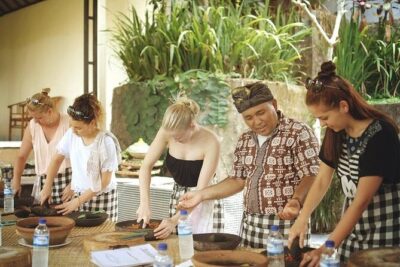

PRIVATE Authentic Balinese Cooking Class in Ubud at Putu’s Home
Read our review →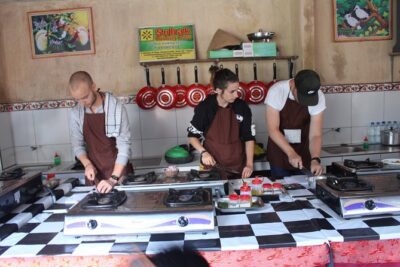
Balinese Ubud cooking school (9 Dish Cooking and Market Tour)
Read our review →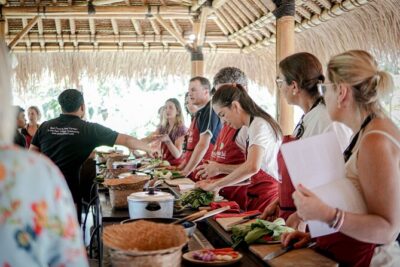

Learn to cook Indonesian food at Gili Cooking Classes Trawangan
Read our review →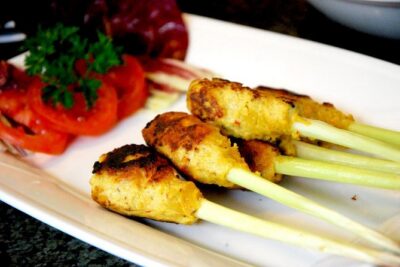
Browse the lists this tour appears in