
Reviewed · BATIK AND CRAFT WORKSHOPS
Half Day – Malang Batik Class
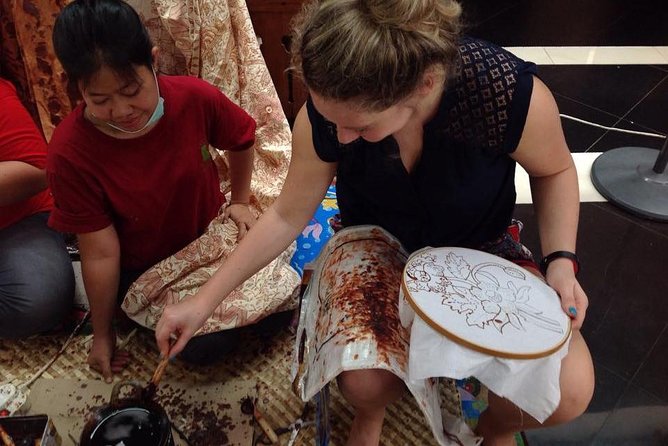
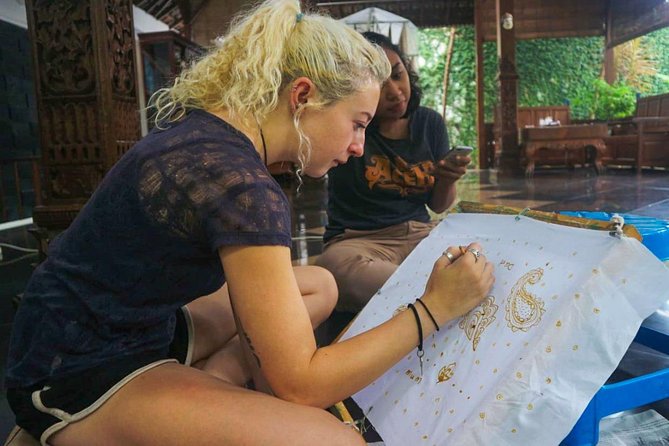
Make something you can actually carry home. This five-hour Malang workshop takes you into a local artisan house to draw a pattern, apply wax with a traditional canting, and color fabric with organic ingredients. I like the hands-on process and the chance to work with local women who use batik making to support their households. I also like that pickup and drop-off are included, which makes the morning simple to arrange.
The main thing to consider is the food policy. The tour price is $35 per person, but food and drinks are not normally included, although one family reported that lunch was provided. I would confirm this before booking. The class is private for your group, but the workshop itself is not a polished studio attraction. Its appeal is the local home setting and direct contact with the artisans.
In This Review
- Key points at a glance
- Why this Malang batik class is worth your morning
- Arriving at a local artisan house
- Choosing a Malang pattern before the wax
- Learning the canting and wax stage
- Adding earthy color with organic ingredients
- Meeting the women behind the workshop
- What the $35 price really covers
- Who will enjoy this class most
- Timing, transport, and useful planning advice
- The limits of the experience
- Should you book the Malang batik class?
- FAQ
- How long does the Malang batik class take?
- What time does the class start?
- Is hotel pickup and drop-off included?
- What activities are included in the class?
- Is this a private class?
- Are food and drinks included?
Key points at a glance
- You make the batik from start to finish: Draw a design, trace it with wax, then add color.
- The class takes place in a local artisan home: This feels more personal than a standard craft demonstration.
- Organic ingredients shape the finished cloth: Expect earthy colors rather than bright factory-dyed tones.
- The traditional canting is part of the lesson: You learn how hot wax is applied by hand to protect parts of the fabric.
- Local women lead the workshop: The class connects your souvenir with a small community-based craft effort.
- Pickup and drop-off are included: The five-hour experience begins at 8:00 am and is arranged as a private activity.
Why this Malang batik class is worth your morning
Batik is not simply printed cloth. It is made by drawing a pattern, covering selected sections with wax, applying dye, and repeating the process as needed. The wax keeps dye from reaching certain areas, creating the familiar lines and contrasts that make batik different from ordinary fabric printing.
This class lets you handle each main stage yourself. That matters. A demonstration can show you what batik is, but making a piece helps you understand the patience behind it. A slightly uneven line is not a problem here. It is part of learning how the canting responds to your hand.
The workshop also gives you a closer look at Malang’s local design tradition. You can choose from typical Malang patterns, combine designs on a tracing table, or try to draw something freehand. If you are not confident with drawing, the available patterns make the activity approachable.
I especially like the balance between instruction and creativity. You are not merely copying a finished example, but you are not left staring at a blank piece of cloth either. The process gives you a clear starting point, then leaves room for your own decisions.
More craft workshops:
- Crafting Heritage Batik Painting Workshops
★ 5.0 · 164 reviews - Batik Master Class with Full Process
★ 5.0 · 103 reviews - Borobudur: Village Tour with Pottery and Tofu Making
★ 5.0 · 34 reviews
Arriving at a local artisan house
Pickup is offered from your hotel, with transport back afterward. The advertised start time is 8:00 am, and the total activity takes about five hours. Your driver or guide handles the transport, while the class itself is led at the artisan house.
The setting is important to the character of the experience. You are visiting a local home and workshop rather than entering a large commercial factory. That can make the class feel more direct and relaxed, especially if you want to meet the people behind the craft.
It also means you should keep your expectations practical. This is not presented as a formal art school with a fixed exhibition space or elaborate facilities. The charm comes from the people, the working environment, and the chance to see batik production in a home-based setting.
The activity is private, so only your own group participates. That gives you more freedom to ask questions and work at a comfortable pace. It also makes the class a good choice for families, couples, friends, or anyone who prefers not to keep up with a large group.
Choosing a Malang pattern before the wax
The first practical stage is drawing. You can select one of the available designs, combine elements on a tracing table, or make your own sketch. The designs include typical Malang art patterns, giving the class a stronger local connection than a generic craft lesson.
If you have little artistic ability, do not let that stop you. The pattern options give you structure, and the instructors help with the process. One of the best features of this kind of class is that the finished cloth does not need to look like a professional artisan’s work. It needs to show your choices.
Take a little time here. Once the wax is applied, changing the main design becomes difficult. I would choose a pattern with clear shapes and lines unless you already have experience with textile art. Fine details can be harder to manage with the canting.
This is also the stage when you can think about the souvenir you want to bring home. A simple, well-spaced design may produce a more pleasing result than an ambitious drawing crowded with small details.
Learning the canting and wax stage
After drawing, you cover the selected lines and sections with wax. The traditional tool is called a canting, a small instrument used to guide liquid wax onto the fabric. This is the most technical part of the class, but instruction is provided step by step.
You will need a steady hand. Wax must follow the pattern closely enough to keep the dye from spreading into protected areas. Small mistakes are normal, and the teaching approach is designed for beginners. You are learning a traditional method, not taking a skills test.
The organic wax is part of the workshop’s focus. It fits the class’s emphasis on local production and natural materials. Still, you should expect this stage to require care and concentration. It is less like painting with a brush and more like controlling a narrow flow of hot wax.
The instructors are there to guide you rather than rush you. That is useful for children and first-time makers, though younger children should have an adult beside them. Children must be accompanied by an adult, and the activity is generally suitable for most people who can participate in a hands-on craft.
More workshops and classes:
- Ubud Cooking Class Bali with Balinese Chef
★ 5.0 · 1,609 reviews - Ubud Silver Class Jewelry making in bali
★ 5.0 · 978 reviews - PRIVATE Authentic Balinese Cooking Class in Ubud at Putu’s Home
★ 5.0 · 644 reviews - Balinese Farm Cooking Class by Pemulan Bali
★ 5.0 · 410 reviews
Adding earthy color with organic ingredients
Coloring comes after the wax work. The fabric is dyed with organic ingredients, producing earthy tones. These colors are part of the appeal. Your cloth should feel connected to the natural, handmade character of the process rather than looking like a mass-produced souvenir.
The dyeing stage also shows why the earlier wax work matters. Areas protected by wax stay lighter or retain a different tone, while exposed fabric takes on the dye. The design begins to make sense as the color settles into the cloth.
Patience helps here. The final appearance may not be obvious at once, and the work may require drying and finishing after the main class. One family said the artisans prepared their fabric so it was ready to carry onward during the rest of their trip. That is a useful service if you are moving between destinations and do not want to manage wet or unfinished cloth.
You should still ask how your specific piece will be finished and when it will be ready. The supplied details confirm the drawing, waxing, and coloring stages, but they do not promise a particular size, color range, or finishing method.
Meeting the women behind the workshop
The social side of the experience is just as important as the craft. The workshop connects you with local women artisans who use batik production as a creative activity and a source of household income. The class has also been described as a women’s cooperative linked with a local NGO called Yagazu.
That community connection gives your $35 more weight than a simple souvenir purchase. You are paying for instruction, transport, materials, and time with the people doing the work. You also leave with a piece that carries a story about how it was made.
The names of individual hosts and guides appear in the experience’s operating history. Martha handled prompt follow-up for one booking, while Namira hosted the class and answered questions during the visit. Another arrangement included Nuu from Mador hostel accompanying a group. Your own guide may be different, but these details suggest that communication and personal attention are part of the service.
The class is not a lecture about Indonesian textiles. It is a chance to ask questions while your hands are busy. If you are curious about materials, patterns, or the daily work of the artisans, this setting should give you a more direct exchange than a display behind glass.
What the $35 price really covers
At $35 per person, the value depends on how much you would otherwise spend arranging transport and finding a craft lesson in Malang. The price includes bottled water, all listed activities, a driver or guide, and hotel pickup and drop-off.
That is a fair package for a five-hour private activity. You are not paying only for a demonstration. You receive materials, instruction through the main stages, transportation, and the chance to take home your own work.
Food and drinks are not included unless specifically arranged. One account describes a delicious lunch being included for a family, but the standard information says meals are excluded. Treat lunch as extra unless the operator confirms otherwise.
The private format improves the value for a small group. You do not have to share the lesson with strangers, and you can ask for help when you need it. For a solo visitor, the price may feel higher than a basic group class, but transport and personal instruction help explain the cost.
Who will enjoy this class most
This is a strong choice if you want a calm cultural activity rather than a packed sightseeing schedule. You spend the time making something, talking with local artisans, and learning a process that has cultural importance in Indonesia.
Families can also enjoy it. Two eight-year-old children were able to take part with their parents, and the teaching staff helped them through the activity. Children may need close supervision during the wax stage, but the class offers a more memorable task than simply shopping for batik.
It suits creative people, but you do not need to be an artist. The tracing options make it accessible to beginners, and the instructors help with each step. If you prefer polished attractions, fast demonstrations, or a predictable factory tour, this may feel too informal.
The class is also a good fit for anyone staying at a hostel or traveling with friends. A group from Mador hostel joined the activity together, which shows how easily it can work as a shared morning plan.
Timing, transport, and useful planning advice
Plan for about five hours from pickup to return. The stated start time is 8:00 am, so you should be ready at your hotel before then and allow room for the class to run at its natural pace.
The provider offers free cancellation if you cancel at least 24 hours before the local start time. Changes or cancellations made inside that window are not accepted for a refund. If your Malang plans are uncertain, make that decision early.
Confirmation is provided when you book. Since the class takes place in a local home and pickup details matter, check that your hotel address and preferred pickup time are correct.
Bring a little patience. Waxing and dyeing are careful processes, and the finished cloth may need time to dry or be prepared. Wear something practical, although the supplied information does not specify a dress code or protective clothing.
The limits of the experience
The strongest part of this class, its local and informal setting, can also be its limitation. You should not expect a large craft center, a formal museum presentation, or a broad tour of Malang’s textile industry. The focus is one workshop and your own piece of fabric.
The five-hour duration may also feel long if you only want a quick introduction. Drawing, waxing, and coloring take time, especially when you are learning a new tool. For me, that is the point of the activity, but it will not suit anyone seeking a short stop between major sights.
The food information needs clarification before booking. The standard inclusions do not list lunch, while one family had lunch included. Ask what applies to your reservation so you can plan the morning properly.
Finally, the class does not promise a particular finished design. Your result depends on the pattern you choose, your waxing technique, and the color process. That uncertainty is part of the handmade appeal, but perfectionists should know what they are signing up for.
Should you book the Malang batik class?
Book it if you want to meet local artisans, learn a traditional process by doing it yourself, and take home a personal souvenir. The combination of private transport, a five-hour lesson, organic dyes, Malang patterns, and a women-led workshop gives the experience real value at $35.
I would especially recommend it for families, couples, small groups, and curious first-time visitors who enjoy relaxed activities. Confirm the meal arrangement, allow time for the fabric to dry or be finished, and accept that your cloth will show your own learning curve.
Skip it if you want a quick, polished attraction or have no interest in making things by hand. For everyone else, this is a thoughtful way to spend a morning in Malang, with more substance than simply buying a batik item in a shop.
FAQ
How long does the Malang batik class take?
The experience lasts approximately five hours.
What time does the class start?
The stated start time is 8:00 am.
Is hotel pickup and drop-off included?
Yes. Hotel pickup and drop-off are included, along with a driver or guide.
What activities are included in the class?
You draw a pattern, apply wax to the fabric using a traditional canting, and color the fabric with organic ingredients.
Is this a private class?
Yes. It is a private tour or activity, and only your group participates.
Are food and drinks included?
Food and drinks are not included unless specifically stated. Bottled water is included. One account describes lunch being provided, so confirm the meal arrangement before booking.
Newest reviews from Malang
- 1 Day – Malang Beaches and Island Hopping // 06:30 – 17:30★ 5.0 · 7 reviews
- 3 Days – Madakaripura, Mt Bromo and Ijen from Malang / Surabaya★ 5.0 · 7 reviews
- 3-Day Private Tour: Tumpak Sewu Waterfall, Mt Bromo & Ijen Crater★ 5.0 · 10 reviews
- 3D2N Ultimate Tumpak Sewu, Bromo & Ijen Adventure Tour★ 5.0 · 10 reviews
- 1 Day Mount Bromo Sharing Tour Package from Malang★ 4.0 · 11 reviews
- Bromo panorama tour to avoid the crowds – start Malang // 1 day tour★ 4.5 · 14 reviews
- Bromo Adventure★ 5.0 · 16 reviews
- Mount Bromo Sunrise – Exclusive Guided Tour (All-Inclusive)★ 5.0 · 16 reviews
Batik and Craft Workshops, compared.
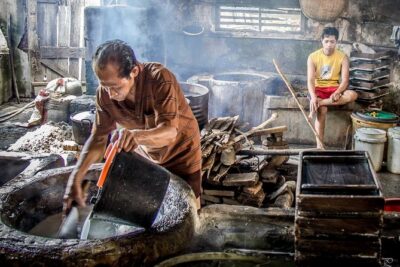
Borobudur: Village Tour with Pottery and Tofu Making
Read our review →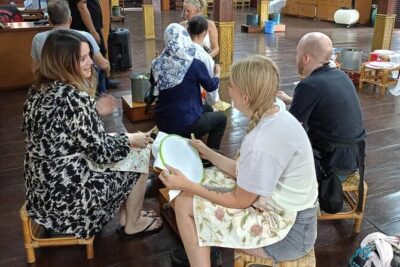
Batik Heritage Introduction Class with Lunch & Souvenir
Read our review →
Browse the lists this tour appears in