
Reviewed · BATIK AND CRAFT WORKSHOPS
Batik Master Class with Full Process
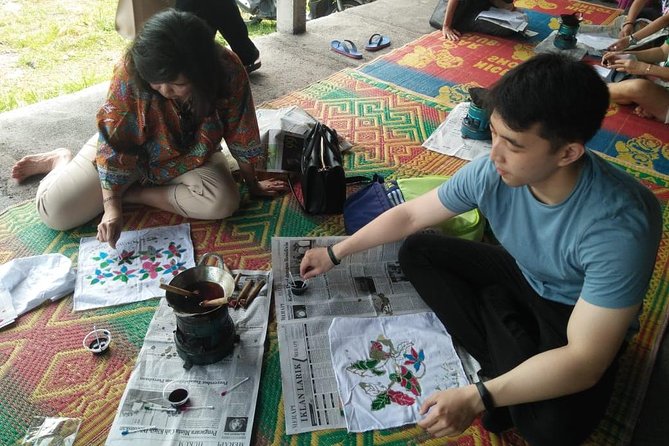
Wax, color, and take home art. This three-hour batik workshop near Prambanan gives you a hands-on way to understand Yogyakarta’s most famous textile tradition. I like the patient, one-on-one teaching and the chance to complete the full process yourself, from tracing to waxing and dyeing. I also like the local snacks, coffee, and tea served while you work. The main drawback is practical: your finished piece may still be wet when you leave, so it needs careful handling on the way back to your hotel.
The workshop costs $19.50 per person, which is strong value for three hours of instruction and a finished souvenir. It also fits neatly around a visit to Prambanan and nearby Sojiwan Temple. You should allow extra time if you choose the tote bag option, need transport from central Yogyakarta, or want your piece fully dry before carrying it home.
In This Review
- Key points to know before booking
- Why this batik class is worth your time
- Starting at Pasar Prambanan
- Learning the tools before touching the cloth
- The three-hour process: tracing, waxing, and dyeing
- Choosing between a handkerchief and a tote bag
- Snacks and a calm place near Prambanan
- Adding Prambanan and Sojiwan Temple
- Price, timing, and overall value
- Who will enjoy this workshop most
- A few honest drawbacks
- Should you book the Batik Master Class?
- FAQ
- How long does the batik class last?
- How much does the experience cost?
- Where does the experience start?
- Where does the experience end?
- What will I make during the class?
- What parts of batik will I learn?
- Are snacks and drinks included?
- Is the class suitable for families?
- Is transportation included?
- Can I cancel for a full refund?
Key points to know before booking
- You complete the entire batik process, including pattern tracing, wax application, and sequential dyeing.
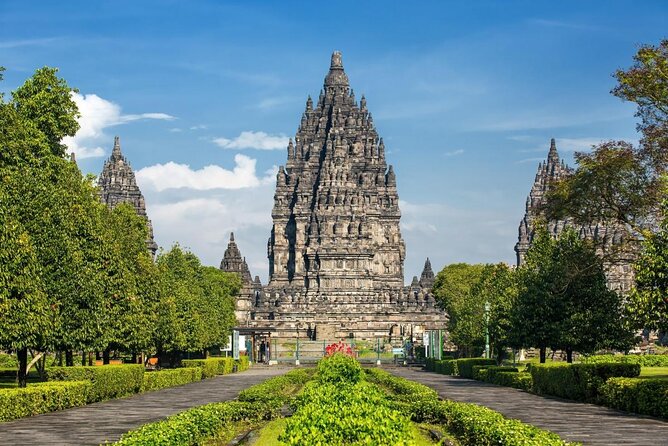
- The class takes place near Prambanan, making it a useful addition to a temple day.
- A handkerchief-size piece is included, while a tote bag costs extra.
- Local snacks, coffee, and tea make the workshop feel social rather than purely instructional.
- Teaching is patient and beginner-friendly, with English explanation and help available.
- The finished cloth may still be damp, so bring a bag or plan to protect it during your return trip.
Why this batik class is worth your time
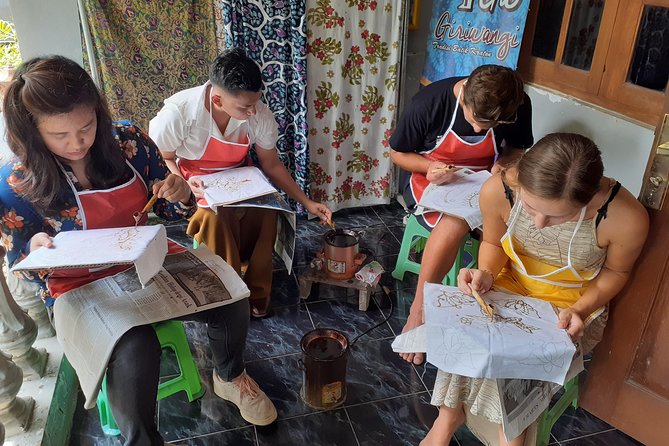
Batik is not simply fabric with a pretty pattern. It is a method of drawing with wax, using the wax to block dye from selected parts of the cloth. Color is added in stages, and each new layer depends on the work that came before it.
That makes this activity a useful cultural stop in Yogyakarta. At a market or shop, you can admire finished batik. Here, you learn why the patterns look the way they do and why the process takes care and control.
The class is led by an experienced local batik master in the Prambanan area. The teaching style appears well suited to first-timers. You are shown how to hold the traditional canting, a small tool used to guide melted wax onto fabric, then given time to try it yourself.
I especially like the attitude toward mistakes. The instructor encourages you to keep working even when your lines are uneven. That matters because the wax work requires more hand control than you might expect. Your first piece will probably show a few wobbly lines, and that is part of the charm.
The activity also supports a slower kind of sightseeing. After the crowds, stone carvings, and photo stops at Prambanan, sitting down with tea and a piece of cloth gives your day a different rhythm. You are not just looking at local culture. You are making something with it.
More craft workshops:
- Borobudur: Village Tour with Pottery and Tofu Making
★ 5.0 · 34 reviews - Crafting Heritage Batik Painting Workshops
★ 5.0 · 164 reviews - Half Day – Malang Batik Class
★ 5.0 · 8 reviews
Starting at Pasar Prambanan
The meeting point is Pasar Prambanan, at Jl. Merpati No. 60 in Klurak Baru, Bokoharjo. This is useful to know because you should not assume the workshop begins at Prambanan Temple itself.
The class ends back at the meeting point. The supplied details do not state that hotel pickup or return transport is included, and one person arranged a private car and driver from a hotel about an hour away. From Malioboro, the journey was described as roughly 35 minutes by car in another account, though your actual travel time will depend on traffic and your starting point.
For the simplest day, arrange the workshop alongside your Prambanan visit. The class is described as about 10 minutes from the temple complex, which makes it an easy pairing by car. Confirm the exact meeting instructions after booking, especially if you are relying on a driver.
The group limit is 30 people. That is a fairly large maximum for a craft class, though the teaching style described in the supplied information includes close individual help. If personal instruction is important to you, ask about the expected group size on your date.
Learning the tools before touching the cloth
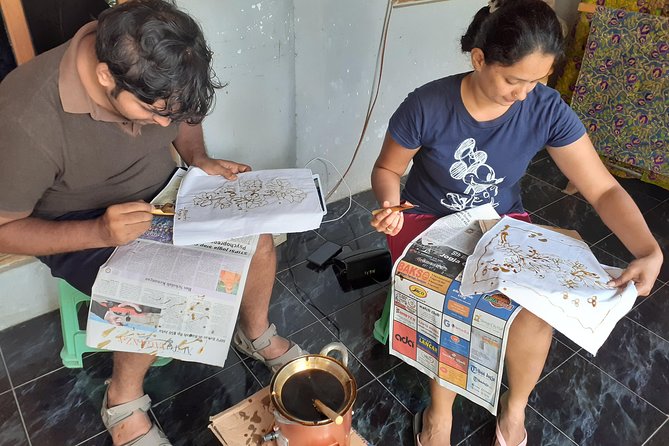
The session begins with an introduction to batik and the tools used in the workshop. You learn how the process works and how to use the equipment properly before starting your own design.
The traditional canting is the key tool. Melted wax flows through its small tip, allowing you to outline the pattern on the cloth. This is not quite like drawing with a pencil. The wax must be kept moving at a steady pace, and controlling the line takes practice.
You first trace a pattern. This gives beginners a clear starting point and removes the pressure of inventing a full design from scratch. It also lets you focus on the technique, which is the heart of the class.
The instructor then demonstrates how to apply the wax. You follow the lines, trying to keep the wax within the intended pattern. Small errors are not treated as disasters. The finished cloth is handmade, and the imperfections help show that you made it yourself.
Some sessions may include help from an English translator. Clear explanation is important here because the sequence matters. If you miss a step, the final colors may not appear as planned.
The three-hour process: tracing, waxing, and dyeing
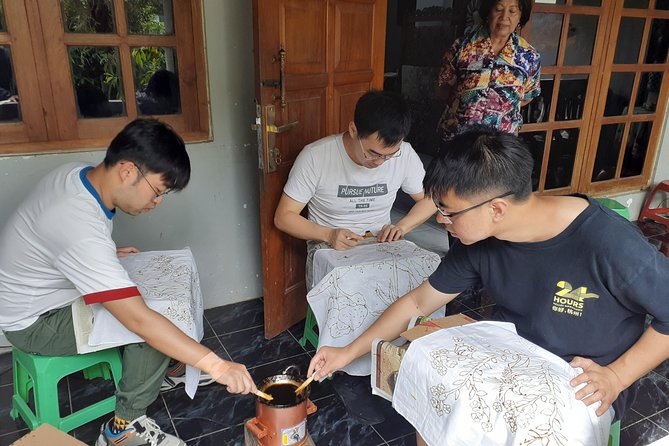
The full activity takes about three hours, though some people spent closer to three or four hours at the workshop. Plan for the longer end if you work slowly, choose the tote bag, or want time to enjoy the setting.
The first stage is drawing or tracing. You put the design onto the fabric and begin to understand how much space you have. A handkerchief-size piece is the standard finished item mentioned in the details.
Next comes waxing. You use the canting to cover the lines with melted wax. The wax creates barriers, preventing dye from reaching certain areas. This is the most delicate part of the process and the point where patient instruction is most useful.
Then comes painting and dyeing. The colors are applied in sequence to bring out the design. The order matters because each color interacts with the waxed sections and with the areas already treated.
Once the main coloring is complete, the cloth is dried and placed into a chemical solution, followed by water. This helps complete the batik process. The exact chemicals are not described, so anyone with particular sensitivities should ask the operator for more information before starting.
The activity is not a quick paint-and-leave souvenir stop. You are involved in several connected stages. That is why the price feels fair, even if your final design is modest.
More workshops and classes:
- Yogyakarta Cooking Class and Market Tour
★ 5.0 · 99 reviews - Traditional Javanese Archery Class
★ 5.0 · 13 reviews - Ubud Cooking Class Bali with Balinese Chef
★ 5.0 · 1,609 reviews - Ubud Silver Class Jewelry making in bali
★ 5.0 · 978 reviews
Choosing between a handkerchief and a tote bag
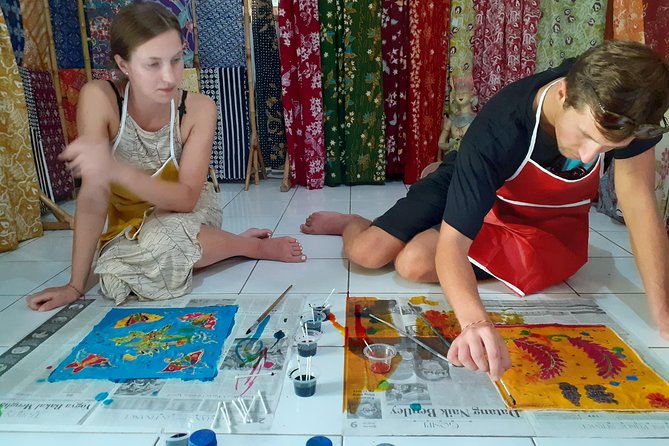
The standard result is a handkerchief-size piece. It is compact, easy to pack, and practical as a small souvenir from Yogyakarta.
You can also choose to make a tote bag for an extra cost. The amount of the supplement is not provided, so confirm it before you begin. A tote takes more fabric and may require more time, but it gives you a more useful item for daily carrying.
I would choose the handkerchief if you are trying batik mainly to learn the technique or if your itinerary is tight. Choose the tote if you want a larger keepsake and do not mind paying extra for the material.
Neither choice guarantees a perfectly dry item at departure. One person left with the fabric still wet and placed it on newspaper in the car and hotel to dry. That is an important practical detail. Bring a clean bag, avoid packing the work tightly inside luggage, and ask the instructor for the best way to finish drying it.
Snacks and a calm place near Prambanan
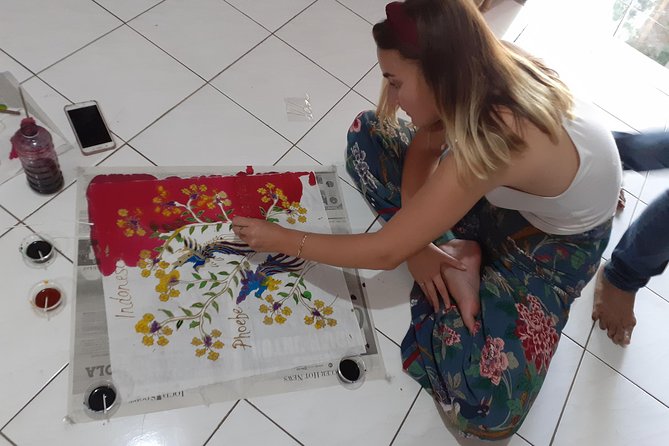
Coffee, tea, and local snacks are included while you work. This is a small feature, but it improves the class. You have a natural pause between stages and a chance to sit with your companions instead of treating the workshop as a production line.
The setting is described as peaceful and close to Prambanan. That makes the experience feel different from a busy shopping stop. You are working in a quieter place, with the sounds and pace of a local craft session around you.
The snacks are also a modest introduction to local food. They are not presented as a full meal, so eat beforehand if you need lunch. Think of them as refreshments during the class.
Families appear to be a good fit. Children especially tend to enjoy the coloring stage, which is more immediately playful than the careful waxing. Younger children may need close supervision around hot wax and workshop tools, though the supplied details do not give a minimum age.
Adding Prambanan and Sojiwan Temple
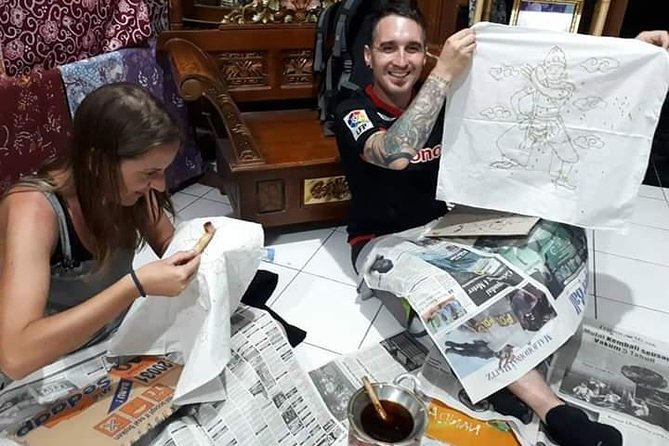
The listed route includes Prambanan Temples and Sojiwan Temple. Prambanan is the major draw, a Hindu temple complex and one of the defining sights around Yogyakarta. Pairing the batik workshop with it makes good geographic sense.
The class description presents the workshop as close to the temple complex, so you can build a full Prambanan-area day rather than crossing back and forth across Yogyakarta. Check exactly how temple visits are arranged, since the available details do not specify admission fees, time spent at each site, or whether transportation between the stops is included.
Sojiwan Temple offers a smaller-scale stop in the same general area. Its inclusion gives you a second temple experience beyond the main complex. If you have already planned a full visit to Prambanan, you should confirm how much time remains for Sojiwan and the batik class.
The activity ends at the Pasar Prambanan meeting point rather than at a separate drop-off location. That makes it easy to continue your own sightseeing nearby, but you will need to arrange your onward transport.
Price, timing, and overall value
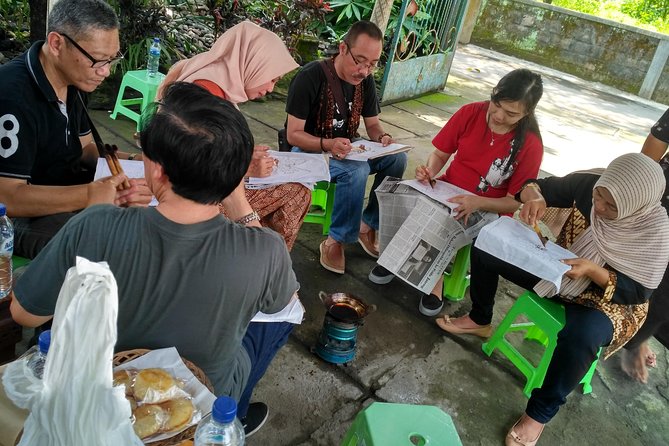
At $19.50 per person, this is inexpensive for a three-hour craft class with a completed piece to take home. The value comes from the instruction and the full process, not from the raw cost of the cloth.
You also receive refreshments and the use of traditional tools. The workshop gives you a souvenir with a story, which is more meaningful than buying a mass-produced textile without seeing how batik is made.
The price does not appear to include the optional tote bag. It also does not state that transport, temple admissions, or hotel pickup are included. Budget separately for those items unless the operator confirms otherwise.
The experience is often booked about 10 days ahead. That is useful planning information, especially if your Yogyakarta schedule has only one open afternoon. I would reserve early if you need a particular date, then keep the workshop next to your Prambanan plans.
Who will enjoy this workshop most
I would recommend it to anyone who likes making things, not just photographing them. The class rewards patience and curiosity more than artistic skill.
It is also a strong choice for families, couples, and small groups. You can work side by side while still creating separate pieces. The supportive teaching style should help beginners who worry that they are not artistic.
It suits people staying in or near Yogyakarta who already want to see Prambanan. It is less convenient if you are based far away and have no private car or planned transport to the Prambanan area.
You should have a moderate level of physical fitness. The details do not explain whether you sit, stand, or move between work areas, so ask if you have mobility concerns. The class is hands-on and lasts several hours, which may be tiring for some people.
A few honest drawbacks
The class is not ideal if you need a finished, dry souvenir immediately. The dyeing and drying stages may still be underway when you leave.
The group maximum of 30 could also affect the amount of individual attention on a busy day. The available information points to patient, close instruction, but the actual experience may depend on attendance and staffing.
The tote bag costs extra, and the price is not listed. Ask before choosing it so the final cost is clear.
Finally, the experience requires good weather. If poor weather causes cancellation, you are offered another date or a full refund. Free cancellation is available if you cancel at least 24 hours before the start time. Changes or cancellations made later are not accepted for a refund.
Should you book the Batik Master Class?
Book it if you want a practical cultural activity near Prambanan, especially if you are tired of simply moving from one monument to the next. The combination of patient instruction, local refreshments, and a handmade souvenir gives you a real sense of how batik is produced.
I would make it part of a Prambanan day and arrange transport carefully from the start. Choose the handkerchief for a simpler, lower-cost project, or pay extra for the tote if you want something more useful at home.
Skip it only if your schedule is too tight for three hours, you need a dry souvenir right away, or you prefer passive sightseeing. For most visitors with the time, $19.50 buys a memorable activity rather than just another stop on the route.
FAQ
How long does the batik class last?
The experience lasts about three hours. Some sessions may take closer to three or four hours, depending on the pace and the item you make.
How much does the experience cost?
The listed price is $19.50 per person.
Where does the experience start?
It starts at Pasar Prambanan, at Ps. Prambanan, Jl. Merpati No. 60, Klurak Baru, Bokoharjo, Sleman, Yogyakarta 55572, Indonesia.
Where does the experience end?
The activity ends back at the meeting point.
What will I make during the class?
The standard project is a handkerchief-size piece of batik. You can also make a tote bag for an additional cost.
What parts of batik will I learn?
You learn about the tools, trace a pattern, apply melted wax with traditional canting tools, and dye the fabric in sequence.
Are snacks and drinks included?
Yes. Local snacks, coffee, and tea are provided while you work.
Is the class suitable for families?
Yes. The activity has been described as a good family experience, and children may especially enjoy the coloring stage.
Is transportation included?
The provided details do not specify that hotel pickup, return transport, or transportation between sites is included. The experience begins and ends at the stated meeting point.
Can I cancel for a full refund?
Yes, if you cancel at least 24 hours before the experience start time. Cancellations made less than 24 hours in advance are not refunded. If poor weather causes cancellation, you can receive a different date or a full refund.
Newest reviews from Yogyakarta
- Borobudur, Prambanan, Bromo, & Ijen (Private car)★ 5.0 · 7 reviews
- Yogyakarta Transport – English speaking driver★ 5.0 · 7 reviews
- Borobudur (Climb Up), Sultan Palace – Tamansari, Prambanan Tour★ 5.0 · 7 reviews
- Yogyakarta: Night Culinary and Heritage Private Walking Tour★ 5.0 · 7 reviews
- Borobudur Temple Combined Ticket Admissions★ 5.0 · 7 reviews
- Borobudur Prambanan Sharing Tour★ 5.0 · 8 reviews
- 2 days Yogyakarta tour (Borobudur, Prambanan, Jomblang cave, Timang beach)★ 5.0 · 8 reviews
- Explore City Tour from Yogyakarta★ 4.0 · 8 reviews
Batik and Craft Workshops, compared.
Borobudur: Village Tour with Pottery and Tofu Making
Read our review →
Batik Heritage Introduction Class with Lunch & Souvenir
Read our review →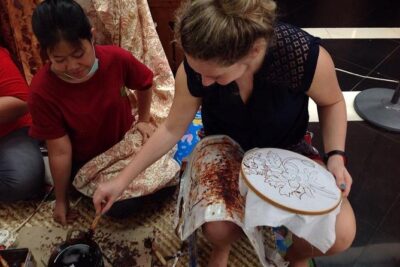
Browse the lists this tour appears in