
Reviewed · BATIK AND CRAFT WORKSHOPS
Ubud Pottery Ceramic Class in Bali
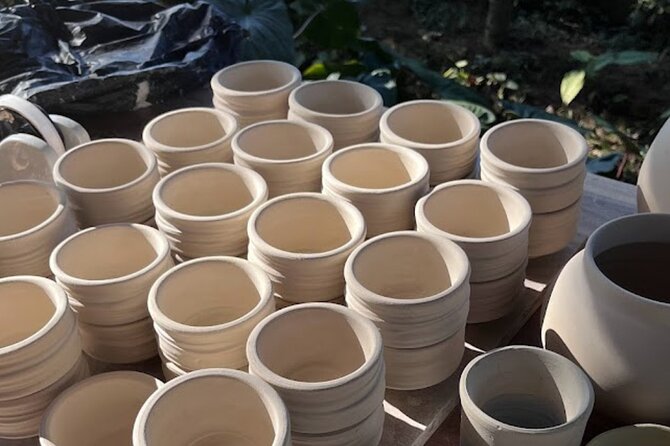
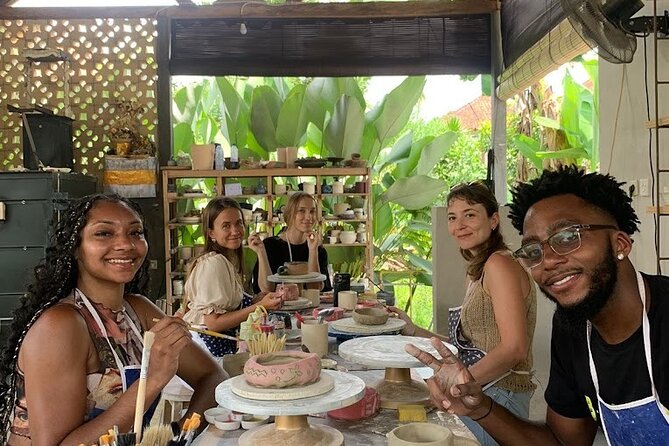
Clay makes a better Bali souvenir. I like this three-hour class for its hands-on work with 2kg of clay and its chance to learn from local artisans rather than simply watch a demonstration. I also like the small group limit of 10, which should give you a more personal lesson and room to ask questions. You may make one piece by hand and another on the wheel, adding real variety to the session.
The main catch is the location. Although the activity is marketed as an Ubud pottery experience, the studio is in Central Singapadu, Sukawati, in Gianyar Regency. That is roughly a 30-minute drive from central Ubud in good conditions, and traffic can make it longer. If you are staying in Nusa Dua, allow extra road time. The note about needing at least four days remaining to take your work home is also important.
In This Review
- Key Points to Know Before You Book
- Finding the Studio in Central Singapadu
- What the Three-Hour Class Includes
- Starting With Hand-Building and Basic Forms
- Trying the Potter’s Wheel
- Working With Local Artisans in a Garden Setting
- What Happens to Your Finished Pottery
- Is $31.31 a Fair Price?
- Who Will Enjoy This Class Most?
- How It Compares With a Standard Bali Sightseeing Stop
- Booking, Cancellation, and Group Size
- Should You Book the Ubud Pottery Class?
- FAQ
- Where does the pottery class begin?
- Where does the activity end?
- How long does the pottery class last?
- How much clay is included?
- Can beginners join the class?
- What pottery techniques can I learn?
- Can I take my pottery home after the class?
- What is the cancellation policy?
- How many people can join the class?
- Is transport included?
Key Points to Know Before You Book
- You work with 2kg of clay: That is enough material for several attempts or two modest pieces, depending on your speed and skill.
- You may use two pottery methods: The class covers hand-building and wheel throwing, giving you a broader introduction than a single-technique workshop.
- The studio is in Central Singapadu: Check the route carefully, since the meeting point is outside central Ubud.
- The group is limited to 10 people: This is small enough to feel more like a lesson than a production line.
- You need four spare days to take work home: Finished pieces require time before collection or return.
- The price is about $31.31 per person: For three hours of instruction, clay, and a cultural activity, that is a fair midrange price, though personal expenses are extra.
Finding the Studio in Central Singapadu
Your class begins and ends at Tana Ampo Pottery Studio, listed at C793+8PH, Central Singapadu, Sukawati, Gianyar Regency, Bali 80582. This is the detail I would check first, especially if your accommodation is in Nusa Dua or central Ubud.
The title points you toward Ubud, but the actual meeting point is in the wider Ubud area rather than in the town center. The difference matters in Bali, where a short distance on a map can take much longer by road. A 30-minute drive from central Ubud is a useful estimate in lighter traffic, but you should not build a tightly packed schedule around that figure.
Because the experience ends back at the studio, you will need to arrange your own onward transport unless your booking includes something not stated here. Personal expenses are not included. The mobile ticket is convenient, but I would still save the address and booking confirmation on your phone before setting out.
More craft workshops:
- Crafting Heritage Batik Painting Workshops
★ 5.0 · 164 reviews - Batik Master Class with Full Process
★ 5.0 · 103 reviews - Borobudur: Village Tour with Pottery and Tofu Making
★ 5.0 · 34 reviews
What the Three-Hour Class Includes
The basic package is simple: a guided pottery class and 2kg of clay. That simplicity is a good sign for anyone who wants time at the wheel instead of a long list of add-ons or passive sightseeing.
The class is designed for beginners, but people with prior pottery experience can also use the material to test their own ideas. You will receive instruction from local artisans, beginning with the basics of shaping clay and moving toward your own finished forms.
The exact lesson order is not fully specified, but the activity description and participant feedback point to three main methods:
- Hand-building
- Wheel throwing
- Molding and shaping
One account describes making two pieces, one by hand and one on the wheel. That is a useful expectation, though your final number will depend on your pace, the form you choose, and how much time you spend correcting mistakes. Pottery is not instant. Clay has a way of turning a five-minute idea into a twenty-minute rescue operation.
You can expect time to add personal touches as well. The point is not to copy a souvenir from a shelf. You shape your own objects, with guidance when the clay starts leaning, cracking, or refusing to behave.
Starting With Hand-Building and Basic Forms
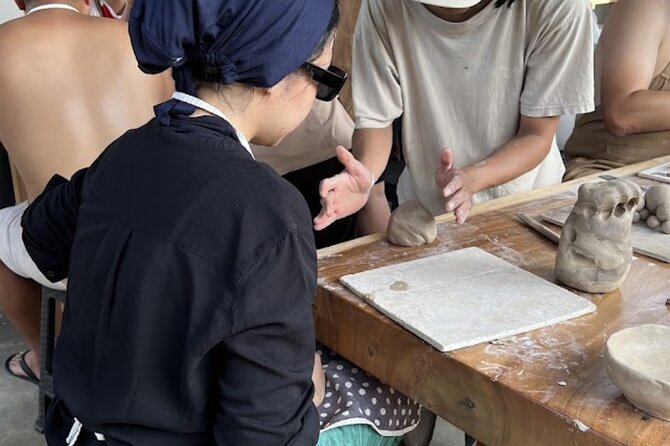
Hand-building is likely to be the easier starting point for many beginners. Without a spinning wheel, you can focus on the feel of the clay and learn how pressure changes the shape.
The class covers basic pottery ideas such as the types of clay and why not every soil can be used for ceramics. That small lesson adds useful context. You are not simply pressing wet earth into a bowl. The clay needs the right qualities, and different materials behave differently when shaped and fired.
You might make a small bowl, cup, jar, or another simple form. The available information does not promise a particular object, so it is best to arrive with an open plan. If you have a design in mind, bring a simple reference image, but do not expect a complex sculpture in a three-hour beginner class.
Hand-building also gives you a better chance to add an individual mark. A slightly uneven rim or visible finger texture can make the piece feel personal rather than factory-made. The instructors are there to help you create something stable, but they are not trying to remove every sign that a human made it.
Trying the Potter’s Wheel
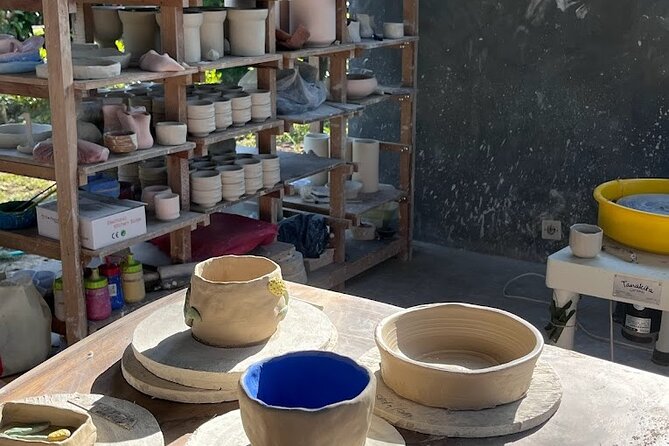
Wheel throwing is the more dramatic part of the lesson, but it is also the technique most likely to humble you. Clay needs steady pressure and a balanced touch. Push too hard and the wall collapses. Move too quickly and the shape can wobble out of control.
The class introduces spinning, or wheel throwing, from the basics. If you have never used a wheel, expect a learning exercise rather than a perfect studio vessel. That is part of the value. You get a direct sense of the skill behind the polished ceramics sold throughout Bali.
Some participants have made one hand-built piece and one wheel-thrown piece during the session. That combination gives you a useful comparison. Hand-building lets you control the form with your fingers, while the wheel asks you to coordinate both hands with the motion of the machine.
The instructor’s help matters most here. The teaching team is described as professional and clear with beginners. You should be able to follow the basic steps without needing previous pottery knowledge. With a maximum of 10 people, the class should offer more personal attention than a large workshop, though the exact amount of one-on-one help will depend on how full the session is.
More workshops and classes:
- Kekeb Cooking Class at Nusa Dua
★ 5.0 · 33 reviews - Ubud Cooking Class Bali with Balinese Chef
★ 5.0 · 1,609 reviews - Ubud Silver Class Jewelry making in bali
★ 5.0 · 978 reviews - PRIVATE Authentic Balinese Cooking Class in Ubud at Putu’s Home
★ 5.0 · 644 reviews
Working With Local Artisans in a Garden Setting
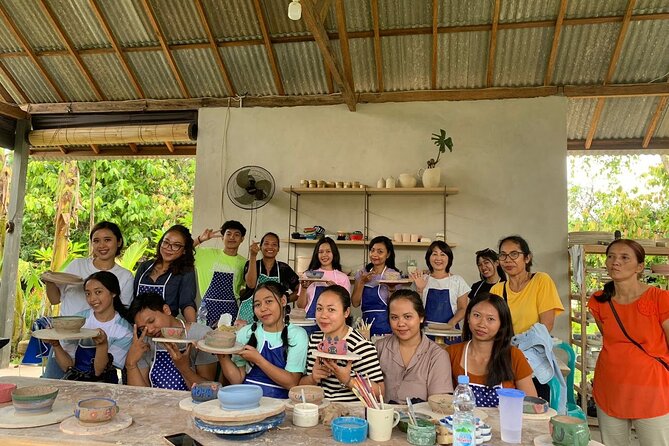
The setting adds to the appeal. The studio is described as being in a beautiful garden, giving the class a calmer feel than a shop-floor activity. Ubud and its surrounding villages are a natural fit for a craft lesson, with green, quiet spaces that encourage you to slow down.
The cultural value here is practical rather than theatrical. You are learning a traditional craft directly through your hands. You see how a basic material becomes a useful or decorative object, and you gain some respect for the time and control required to make ceramics well.
I would not book this class expecting a formal lecture on Balinese art. The focus is making. The cultural connection comes through the local setting, the instructors, and the traditional techniques you practice.
The teaching style appears friendly and encouraging. One account describes a young instructor and team as helpful, creative, and fun. No individual instructor names are provided, so I cannot tell you who will lead your particular session. What I can say is that the strongest praise centers on the teaching and the relaxed setting, not on flashy extras.
What Happens to Your Finished Pottery
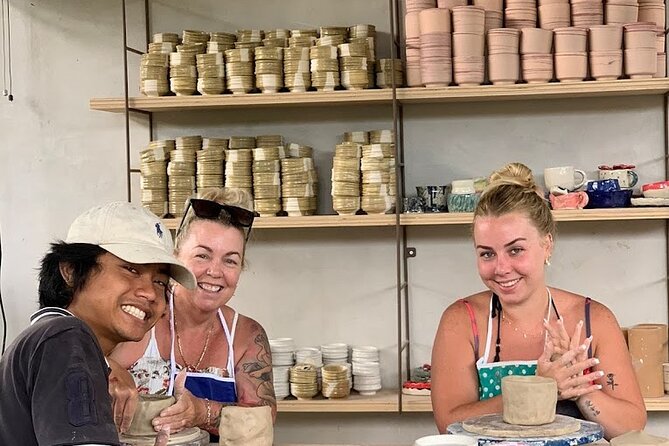
This is the practical point many people miss. You need a minimum of four remaining days if you want to take your work home.
That waiting period likely relates to the time needed for the pieces to dry and receive further treatment, but the exact finishing and collection process is not explained. Do not assume you will shape a pot in the morning and carry it safely onto an afternoon flight.
If you are planning a short Bali stay, schedule the pottery class early. Four days is the stated minimum, so leave a buffer if possible. You should also ask the studio how finished pieces are collected or delivered, since the supplied details do not specify the method.
This timing rule can change the value of the class. If you have a week or more in Bali, the finished object can become a meaningful souvenir. If you leave in two days, you may still enjoy the lesson, but you may not be able to bring the pottery home.
Is $31.31 a Fair Price?
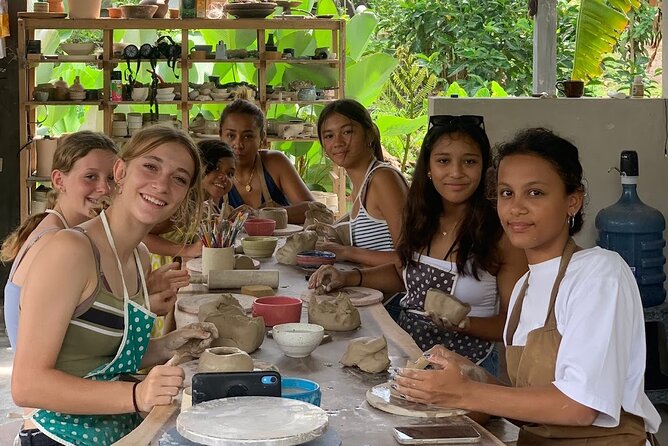
At about $31.31 per person, this is not the cheapest activity in Bali, but it offers more than a short demonstration. You receive three hours of guided instruction and 2kg of clay, with the possibility of making more than one piece.
I see the best value in the amount of time you spend doing rather than watching. A half-day cultural activity can easily blur into a quick photo stop. Here, the material is in your hands for much of the session, and your results depend on your own choices.
The price is especially reasonable if you want an activity that suits different ability levels. Beginners get a structured introduction, while experienced potters can experiment with form and technique. Families and couples may also appreciate having a shared project that is more memorable than another shopping stop.
Still, the price does not cover personal expenses. Transport to and from the studio is not listed as included, and any costs linked to collecting or transporting finished pieces are not specified. Add those possible expenses before comparing this class with a hotel-based activity.
Who Will Enjoy This Class Most?
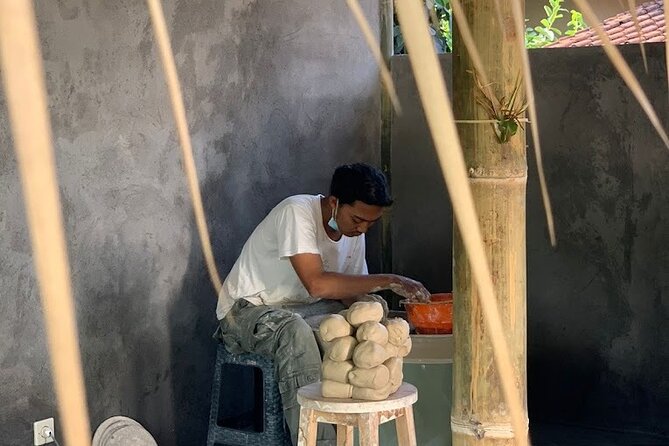
I would recommend this experience to you if you enjoy making things, want a break from sightseeing, or prefer cultural activities with a clear practical focus. It suits couples, families, friends, and solo participants who are comfortable working in a small group.
It is also a good choice if you have never tried ceramics. The instruction starts with basic techniques, and the class covers hand-building, wheel throwing, and molding. You do not need to arrive as an artist.
You may enjoy it less if you want guaranteed professional-looking pottery. Clay can be stubborn, and three hours is enough for an introduction, not mastery. Your finished piece may be charmingly uneven. That is not a flaw in the class, but it is worth accepting before you book.
The activity also requires some schedule planning. The drive from central Ubud can take about 30 minutes or longer, and Nusa Dua is farther away. Add time for road conditions and arrange your return journey in advance.
How It Compares With a Standard Bali Sightseeing Stop
A pottery class gives you a different kind of memory. Instead of only photographing a temple, market, or rice field, you leave with a clearer idea of how a craft is made and, if your timing works, a piece shaped by your own hands.
The educational side is stronger than you might expect. You learn that various clays behave differently, that ceramics can be both traditional and contemporary, and that basic forms require control. The class can be a useful choice for families with older children or teenagers who need more than another scenic viewpoint.
The trade-off is that you spend three hours at one studio. If your priority is seeing as many parts of Bali as possible, this will not cover much ground. If your priority is a calm, creative activity, the slower pace is exactly the point.
Booking, Cancellation, and Group Size
Confirmation is received at booking, and the activity accepts a maximum of 10 participants. That cap should help keep instruction manageable, especially during wheel work when beginners may need quick assistance.
Free cancellation is available if you cancel at least 24 hours before the scheduled start time. Cancellations made less than 24 hours before the start are not refunded, and changes inside that window are not accepted. The cut-off follows local Bali time.
Most people can participate, but no detailed accessibility information is provided. If you have specific mobility, balance, or seating needs, contact the provider before booking rather than relying on the general participation statement.
Should You Book the Ubud Pottery Class?
Book it if you want a reasonably priced, small-group craft lesson and have at least four days left in Bali after the class. The strongest reasons to go are the personal instruction, the chance to try both hand-building and wheel throwing, and the garden setting in Singapadu.
Think twice if your schedule is tight, you are staying far from the studio, or you need to leave with a finished piece the same day. The location is not central Ubud, and the pottery needs time before you can take it home.
For the right schedule, this is a worthwhile change of pace. You get muddy hands, a useful introduction to Balinese pottery, and a souvenir with a crooked edge or two that proves you made it yourself.
FAQ
Where does the pottery class begin?
The class begins at Tana Ampo Pottery Studio, C793+8PH, Central Singapadu, Sukawati, Gianyar Regency, Bali 80582, Indonesia.
Where does the activity end?
The activity ends back at the meeting point at Tana Ampo Pottery Studio.
How long does the pottery class last?
The class lasts approximately three hours.
How much clay is included?
The class includes 2kg of clay per person.
Can beginners join the class?
Yes. The class teaches basic pottery techniques, and most participants can take part. No previous pottery experience is required in the supplied information.
What pottery techniques can I learn?
The class includes hand-building, wheel throwing, spinning, molding, and basic clay-shaping techniques.
Can I take my pottery home after the class?
You need at least four remaining days if you want to take your work home. The available information does not specify the exact collection or delivery process.
What is the cancellation policy?
You can cancel for a full refund up to 24 hours before the experience start time. Cancellations or changes made less than 24 hours before the start are not accepted for a refund.
How many people can join the class?
The maximum group size is 10 participants.
Is transport included?
Transport is not listed among the included features. Personal expenses are not included, so you should check your own transport arrangements before booking.
Newest reviews from Nusa Dua
- Best Day Tour – #1 Ubud Top Attraction★ 5.0 · 7 reviews
- Day Trip: Ubud Monkey Forest, Rice Terrace, Temple and Waterfall★ 5.0 · 7 reviews
- Bali Private Car Charter★ 5.0 · 7 reviews
- A La Carte Spa – 180min Custom Plan★ 5.0 · 7 reviews
- Bali Rafting Including Lunch and Transport★ 5.0 · 8 reviews
- Half-Day Private Tour to Tanah Lot and Bali Royal Temple★ 5.0 · 8 reviews
- Nusa Penida Tours All Inclusive★ 5.0 · 8 reviews
- Gates of Heaven Temple and Blue Lagoon Snorkeling with All-inclusive★ 5.0 · 8 reviews
Batik and Craft Workshops, compared.

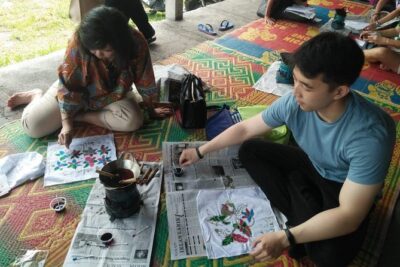

Borobudur: Village Tour with Pottery and Tofu Making
Read our review →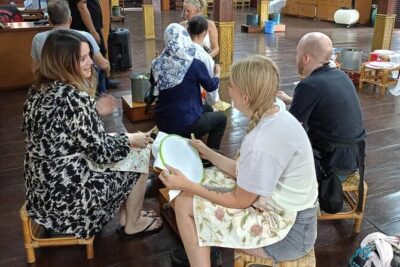
Batik Heritage Introduction Class with Lunch & Souvenir
Read our review →
Browse the lists this tour appears in