
Reviewed · COOKING CLASSES
Yogyakarta Cooking Class and Market Tour
Start with a market, finish with lunch. This Yogyakarta experience combines a traditional food market, a rice plantation, and a village cooking class in one friendly morning or afternoon. I especially like the chance to choose the ingredients yourself and the warm home setting with chef Desy or Arma. The price also covers transport, food, recipes, and instruction, which makes $35 per person a solid deal.
The main consideration is that the teaching style can vary. Some people receive detailed explanations and plenty of cultural background, while one participant felt there was not enough room to experiment. The class may also prepare more food than you expect, so arrive hungry and tell the team about any dietary needs before you start.
The experience has a 5.0 rating from 99 ratings, with 99 percent recommending it. That high score makes sense: the strongest feature is not just learning recipes, but being welcomed into everyday Javanese life.
In This Review
- Key points at a glance
- Why this class feels different from a standard food lesson
- The morning market comes first
- Rice fields and the road to Bantul
- What you cook: yellow rice and a complete Javanese meal
- The teaching style depends on your chef
- Sharing lunch in a local home
- What the $35 price includes
- Who will enjoy this experience most
- Timing, group size, and practical planning
- Should you book the Yogyakarta cooking class?
- FAQ
- Where does the cooking class take place?
- How long does the experience last?
- Is hotel pickup included?
- Does the experience include a market visit?
- Will I visit a rice plantation?
- What dishes will I prepare?
- Is lunch included?
- Are drinks included?
- What is the maximum group size?
- Can I cancel for a full refund?
Key points at a glance
- Shop before you cook: Visit a traditional market and help select vegetables, herbs, meat, and spices.
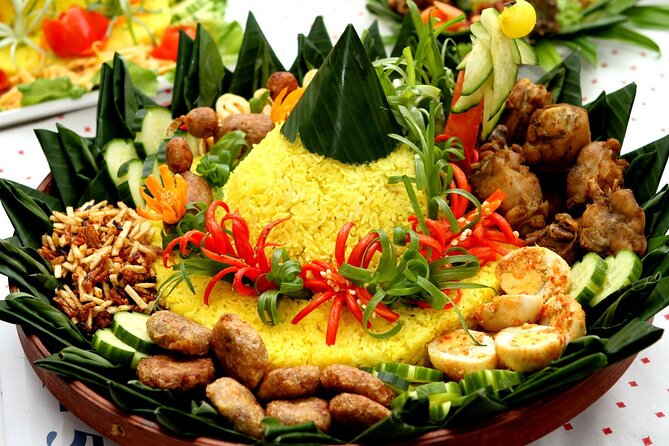
- Learn the story of tumpeng: Prepare yellow rice connected with older Javanese offerings and ceremonies.
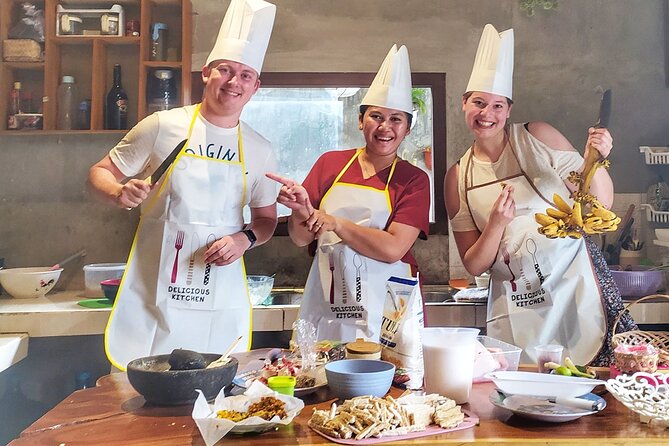
- Cook in a village home: Continue to Bantul for a personal class in a local family setting.
- Prepare a full meal: The menu includes one starter, four main dishes, and one traditional dessert.
- Transport is included: Hotel pickup and drop-off are provided within Yogyakarta.
- Keep communication simple: WhatsApp is useful for arranging pickup details.
Why this class feels different from a standard food lesson
Many cooking classes give you a printed recipe, a workstation, and a plate of food. This one begins before the kitchen. You go to a local market, see the ingredients in their everyday setting, and take part in choosing what will be cooked.
That small change matters. Indonesian food can look mysterious when you see only the finished dish. At the market, you can connect the finished meal with the fresh herbs, chilies, vegetables, meat, and spices used to create it. The chef can explain what each ingredient does, how it is used in Java, and why certain combinations work.
The class also includes a visit to a rice plantation. Rice is not just another ingredient here. It is a central part of Indonesian food and rural life, and the plantation stop gives you a look at how the staple crop is cultivated and prepared. You also get scenic countryside views before continuing to Bantul village.
The result is a food experience with more context than a simple three-hour kitchen session. You still spend plenty of time chopping, mixing, cooking, and eating, but the day has a stronger connection to place.
More cooking classes:
- Ubud Cooking Class Bali with Balinese Chef
★ 5.0 · 1,609 reviews - PRIVATE Authentic Balinese Cooking Class in Ubud at Putu’s Home
★ 5.0 · 644 reviews - Balinese Ubud cooking school (9 Dish Cooking and Market Tour)
★ 5.0 · 540 reviews
The morning market comes first
Pickup begins at your hotel in Yogyakarta, followed by a visit to a traditional fresh food market. The timing is useful because the market forms the first lesson of the day, rather than being added as a rushed stop after cooking.
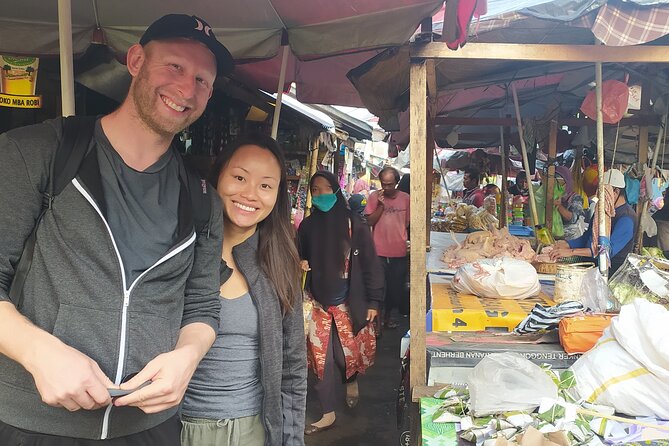
You can expect to see vegetables, herbs, meat, and spices on display. The activity is not simply a walk through the stalls. You help select the ingredients needed for the class, which gives you a practical reason to pay attention. If you have never cooked Indonesian food, this is a good way to see the raw materials before they are turned into sauces, side dishes, and rice.
The market is also a chance to experience a slice of ordinary Yogyakarta life. It may feel less polished than a food demonstration designed only for tourists, and that is part of the appeal. You are seeing ingredients where people shop for daily meals.
I would keep your expectations realistic. The market visit is described as part of the cooking experience, not as a long guided food walk. The amount of explanation may depend on the chef and the size of the group. Still, choosing the ingredients yourself makes the stop more useful than simply passing through with a camera.
One practical tip comes directly from the experience of the class: have WhatsApp ready. It can make pickup communication easier, especially when confirming hotel details or coordinating with the driver.
Rice fields and the road to Bantul
After the market, the route continues to a rice plantation. Here you learn how rice is grown and prepared, while taking in the countryside around Yogyakarta.
This stop adds welcome balance to the itinerary. The market shows you the buying side of food, while the plantation shows you part of the growing process. You do not simply hear that rice is important to Javanese cooking. You see the agricultural setting that supports it.
The tour then continues to the traditional village of Bantul. The village is described as about 20 minutes from central Yogyakarta, placing the cooking class close enough for an easy half-day outing but far enough from the city center to feel more domestic and rural.
At the village home, you receive a welcome before the lesson begins. Several people describe the home setting as comfortable and family-like. One family even prepared tea and offered a place to rest when a participant felt unwell. That kind of care is a meaningful part of the experience, though it also means the atmosphere is more personal and informal than a professional cooking school.
What you cook: yellow rice and a complete Javanese meal
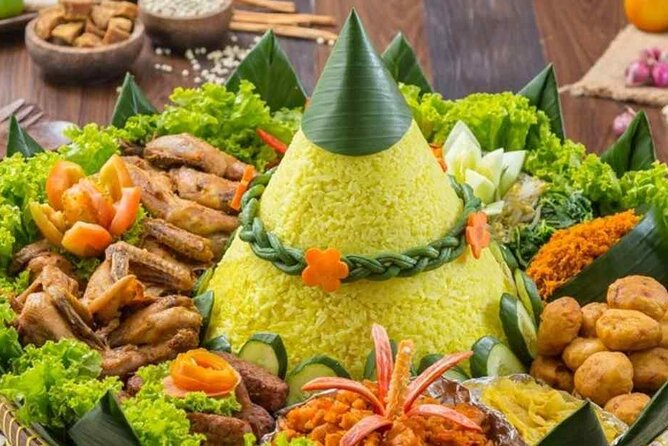
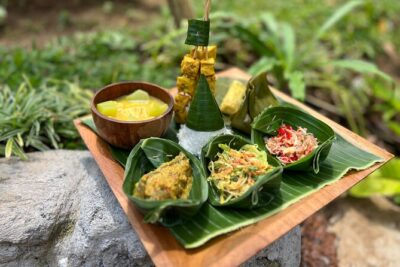
The central dish is tumpeng yellow rice. Tumpeng has cultural importance in Java and was traditionally associated with offerings to the gods at ceremonies. Learning to prepare it gives the class a stronger purpose than simply making a popular dish for lunch.
The yellow color and ceremonial connection make tumpeng a useful introduction to the way food can carry meaning in Indonesia. Your chef shares background about the dish and explains how it fits into Javanese traditions.
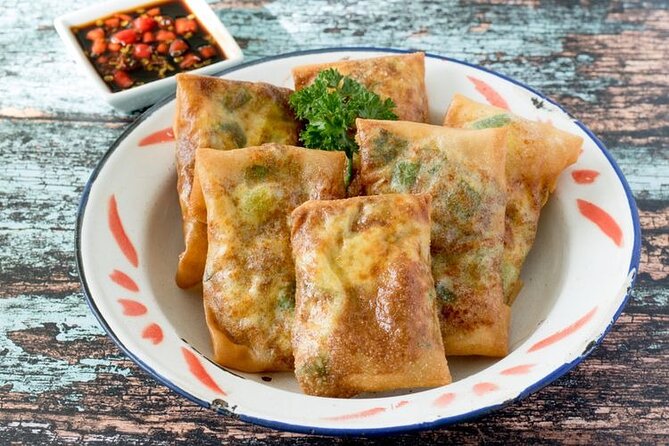
The meal includes:
- One starter
- Four main courses
- One authentic dessert
- Yellow tumpeng rice
- Homemade hibiscus tea or traditional wedang uwuh
Wedang uwuh is described as an eucalyptus drink, while hibiscus tea offers a lighter alternative. The drinks are part of the meal and help round out the cooking session.
The menu can involve several cooking methods and a wide range of ingredients. One participant praised the variety of techniques and became a fan of tempeh after the class. That is a good sign if you want more than a single recipe demonstration.
You should also come hungry. The portions can be generous, and the plan is to eat the food you prepare at lunchtime or dinner. You are not watching someone else cook a token sample. You are helping create enough food for a full meal.
More market tours:
- Active Volcano, Rice Field, Hot Spring, Fruit market, Tea Plantation with Lunch
★ 5.0 · 513 reviews - Balinese Cooking class with traditional morning market visit
★ 5.0 · 161 reviews - PRIVATE Ubud Market Tour & Balinese Cooking Class with Putu
★ 5.0 · 125 reviews - Ubud Cooking Class with Optional Market Visit Pickup Included
★ 5.0 · 70 reviews
The teaching style depends on your chef
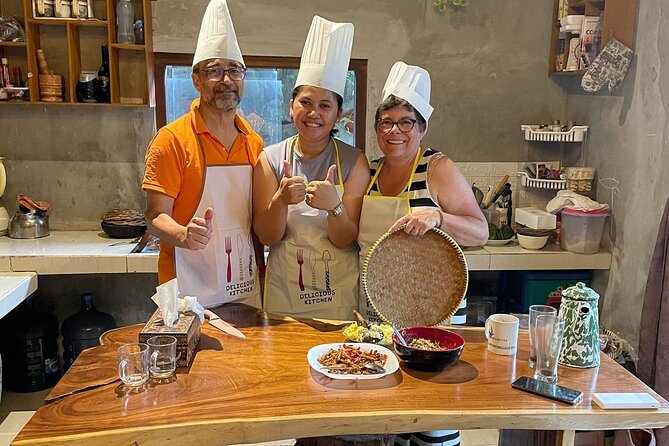
The named instructors in the feedback include Arma and Desy, with Desy receiving repeated praise for her patient instruction and cooking ability. Arma is also credited with sharing stories about Yogyakarta and Indonesian culture while guiding the class.
The best version of the experience combines clear cooking instructions with informal conversation. You learn the steps, but you also hear why the food matters and how it connects with Java. Several descriptions emphasize that the family made people feel welcome, which may be the most memorable part of the class.
One participant, however, felt the explanations were sometimes too brief and that there was not enough freedom to create. That is worth taking seriously. If you want a structured lesson with exact measurements, long demonstrations, and plenty of independent experimentation, this may not always match your ideal.
The class is limited to a maximum of 15 people, though some sessions may be much smaller. A couple described having the class privately, which made the experience more relaxed and personal. A smaller group can also give you more direct time with the chef, but the exact group size is not guaranteed.
I suggest asking questions as you cook. If you want to understand a spice, change a technique, or learn how to repeat a dish at home, say so. The class appears strongest when you take an active role rather than waiting quietly for every explanation.
Sharing lunch in a local home

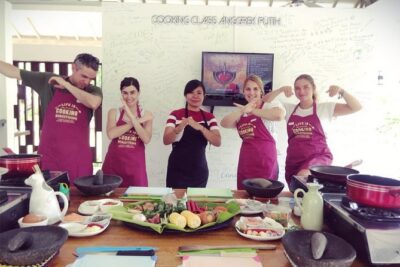
Once the dishes are finished, you sit down and eat together. This shared meal is where the market, rice plantation, and kitchen work come together.
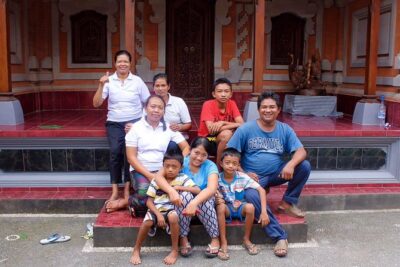
Eating in a local home changes the tone. The meal feels less like a staged performance and more like an invitation to share food with a family. One account describes cooking and eating together while exchanging stories, and another recalls a child enjoying the experience so much that the family photographs captured the moment clearly.
The home setting may also include small details beyond the formal activity. One family had animals near the house, and another arranged an additional visit to a civet coffee place after hearing about a participant’s interest. That coffee stop is not part of the published inclusions, so you should not book this class expecting it. It does show the hosts’ willingness to help when an opportunity comes up.
The food itself receives the most consistent praise. The dishes are described as delicious, authentic, and very satisfying. If your main reason for booking is to eat well while learning a few useful techniques, the class meets that goal.
What the $35 price includes
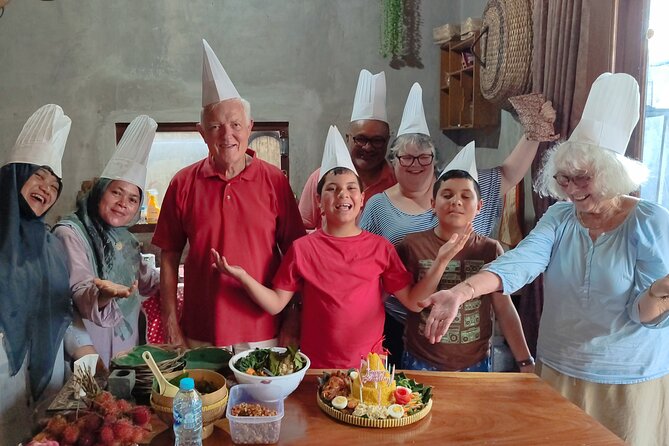
At $35 per person, the cost covers much more than kitchen instruction. You receive:
- Hotel pickup and drop-off in Yogyakarta
- An English-speaking chef or teacher
- The market visit
- All cooking ingredients
- A recipe
- Lunch
- The cooking class
For a roughly three-hour activity, that is a fair package. Transport alone adds value, since you do not need to arrange your own route to the market and Bantul. The included meal also matters because you are preparing a substantial menu rather than paying extra for lunch afterward.
The value is strongest for people who want several parts of Yogyakarta in one outing. You get food shopping, rural scenery, an introduction to rice cultivation, local conversation, and hands-on cooking.
The price does not include personal expenses. No other extra costs are identified, so bring money only for anything personal you may wish to buy separately. Group discounts are available, which can make the activity more attractive for families or friends traveling together.
The class is booked, on average, 24 days ahead. That suggests you should not leave it until the last minute if your schedule is fixed, particularly if you want a specific date or a smaller group.
Who will enjoy this experience most
I would recommend this class to several kinds of people.
Food lovers will appreciate the market-to-table format and the chance to work with Indonesian herbs, spices, vegetables, meat, and tempeh. You get recipes to take home, so the meal can continue after your trip.
Families may like the relaxed home environment and the large amount of food. The class is open to most people, and one family described the session as especially enjoyable for their child.
Couples can benefit from the personal setting. When the class is private or nearly private, you have more space to cook together and ask questions.
Culture-focused visitors will get more than a list of dishes. The story of tumpeng, the rice plantation, the village setting, and conversations about Yogyakarta all give the food a place in local life.
It may be less suitable if you want a highly technical chef school, strict culinary instruction, or a tightly scripted food tour. The style is warm and personal, not formal. You may need to speak up to get the level of detail you want.
Timing, group size, and practical planning
The activity lasts about three hours and may run in the morning or afternoon. The description specifically places the market visit early for a morning schedule, followed by cooking and a meal. Confirm the exact start time when booking.
Pickup and drop-off are offered at hotels in Yogyakarta. Since the tour includes several locations, hotel transport is a real advantage. It removes the trouble of navigating to a market, rice plantation, and village home on your own.
The maximum group size is 15 people. That is still small enough for a hands-on activity, though your personal attention will depend on how many people book your date. If having a private class matters to you, ask about the group size before confirming.
Most people can take part. The supplied information does not provide detailed accessibility notes, so contact the operator with specific mobility, food allergy, or dietary questions. The chef needs to know about restrictions before the market shopping and cooking begin.
Free cancellation is available if you cancel at least 24 hours before the start time. Changes or cancellations made within 24 hours are not accepted for a refund, and the cutoff follows local Yogyakarta time.
Should you book the Yogyakarta cooking class?
I would book this experience if you want a friendly, food-centered look at life outside central Yogyakarta. The strongest reasons are the market shopping, the cultural meaning of tumpeng, the village home, and the generous meal. At $35, the included transport, ingredients, instruction, recipes, and lunch make the price reasonable.
Go in expecting an informal class rather than a professional culinary course. Ask questions, come hungry, keep WhatsApp available for pickup arrangements, and tell the team about any dietary concerns in advance.
If those terms suit you, this is one of the better ways to spend a half-day in Yogyakarta. You leave with food in your stomach, recipes in hand, and a clearer sense of how Javanese cooking fits into family and village life.
FAQ
Where does the cooking class take place?
The class takes place in a traditional village in Bantul, in a local home setting. The village is described as about 20 minutes from central Yogyakarta.
How long does the experience last?
The experience lasts approximately three hours. It may be scheduled in the morning or afternoon.
Is hotel pickup included?
Yes. Pickup and drop-off are included for hotels in Yogyakarta.
Does the experience include a market visit?
Yes. You visit a traditional fresh food market and help choose vegetables, herbs, meat, and spices for the class.
Will I visit a rice plantation?
Yes. The itinerary includes a rice plantation visit where you learn how rice is cultivated and prepared.
What dishes will I prepare?
You prepare tumpeng yellow rice, one starter, four main courses, and one authentic dessert. The exact dishes are not specified.
Is lunch included?
Yes. You eat the meal you prepare during the class, and lunch is included in the price.
Are drinks included?
Yes. You can enjoy homemade hibiscus tea or traditional wedang uwuh, described as an eucalyptus drink.
What is the maximum group size?
The maximum group size is 15 people. Some sessions may be smaller or private, but a private class is not guaranteed.
Can I cancel for a full refund?
Yes, if you cancel at least 24 hours before the experience start time. Cancellations or changes made less than 24 hours before the start time are not refunded.
More Workshops and Classes
- Batik Master Class with Full Process
★ 5.0 · 103 reviews - Traditional Javanese Archery Class
★ 5.0 · 13 reviews - Ubud Silver Class Jewelry making in bali
★ 5.0 · 978 reviews - Balinese Farm Cooking Class by Pemulan Bali
★ 5.0 · 410 reviews
More Shopping Trips
- Balinese Cooking Class with Traditional Market Tour
★ 5.0 · 66 reviews - Ubud Experience ; Swing, Waterfalls, Art Market, Rice Terrace
★ 5.0 · 56 reviews - Bali Food Tour: Savor Street Food and Night Market Adventures
★ 5.0 · 46 reviews - Ubud City Tour I: Monkey Forest, Ubud Palace, Art Market, and Waterfall
★ 5.0 · 31 reviews
Newest reviews from Yogyakarta
- Borobudur, Prambanan, Bromo, & Ijen (Private car)★ 5.0 · 7 reviews
- Yogyakarta Transport – English speaking driver★ 5.0 · 7 reviews
- Borobudur (Climb Up), Sultan Palace – Tamansari, Prambanan Tour★ 5.0 · 7 reviews
- Yogyakarta: Night Culinary and Heritage Private Walking Tour★ 5.0 · 7 reviews
- Borobudur Temple Combined Ticket Admissions★ 5.0 · 7 reviews
- Borobudur Prambanan Sharing Tour★ 5.0 · 8 reviews
- 2 days Yogyakarta tour (Borobudur, Prambanan, Jomblang cave, Timang beach)★ 5.0 · 8 reviews
- Explore City Tour from Yogyakarta★ 4.0 · 8 reviews
Cooking Classes, compared.
PRIVATE Authentic Balinese Cooking Class in Ubud at Putu’s Home
Read our review →
Balinese Ubud cooking school (9 Dish Cooking and Market Tour)
Read our review →

Learn to cook Indonesian food at Gili Cooking Classes Trawangan
Read our review →
Browse the lists this tour appears in