
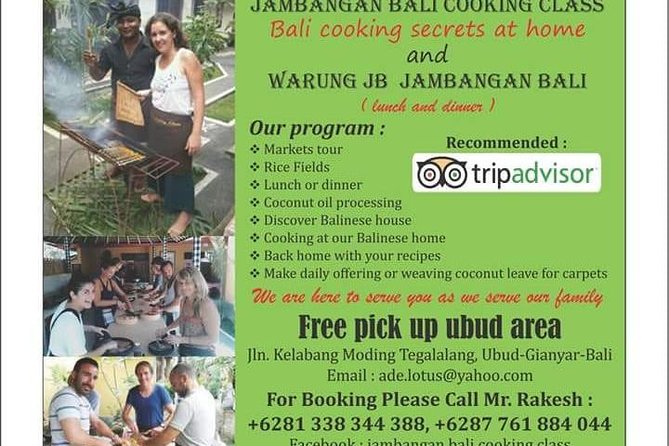
Reviewed · COOKING CLASSES
Jambangan Bali Cooking Class
Come hungry, leave with recipes. The Jambangan Bali Cooking Class gives you more than a meal in Ubud: you visit a traditional market, gather herbs and spices, cook in an open-air family kitchen, and sit down to eat what you made. I especially like the market visit, which gives the ingredients a real local setting, and the chance to see daily Balinese customs such as household offerings and coconut-oil making. The main drawback is timing: an evening class may not include the market because it can close before the class begins.
This is a warm, hands-on experience rather than a polished restaurant demonstration. Guides including Wayan, Putu, and Made have been praised for explaining the food and culture clearly, and the family setting makes the class feel personal. At roughly $34 for about five hours, including lunch, it offers strong value, though the meeting point in Kelabang Moding is outside central Ubud and alcohol is not included.
In This Review
- Key points at a glance
- Why this Ubud cooking class feels different
- Start at the traditional market
- See the rice paddies before entering the home
- Enter a working Balinese family compound
- Cook the recipes yourself, not just watch
- Add Balinese culture to the food lesson
- Lunch or dinner: choose with care
- Is $34 good value in Ubud?
- Who should book this class?
- Should you book Jambangan Bali Cooking Class?
- FAQ
- Where does the Jambangan Bali Cooking Class meet?
- How long does the cooking class last?
- Is lunch included?
- Can I choose between lunch and dinner?
- Does every class include a market visit?
- Is the class taught in English?
- What happens if bad weather cancels the activity?
Key points at a glance

- Shop before you cook: Morning participants visit a traditional market to choose fresh herbs, spices, meat, and vegetables.
- Cook in a Balinese home: The class takes place in an open kitchen within a family compound, with time to learn about household life.
- Make a full menu: You prepare the recipes yourself, with some sessions producing as many as eight dishes.
- See daily traditions: You may learn to make a simple offering, watch a household offering, play rindik bamboo music, and see coconut oil processing.
- Pick lunch or dinner: The schedule lets you choose a daytime or evening class, but market access is most reliable in the morning.
- Suitable for families: The activity is designed for food lovers and families, with English-language instruction and a maximum group size of 15.
Why this Ubud cooking class feels different
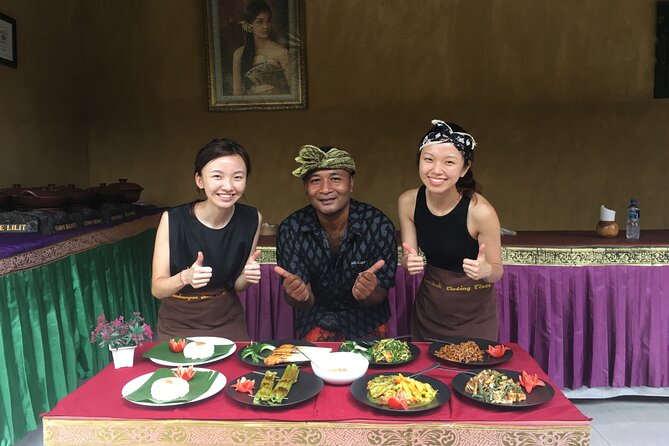
Many food activities in Bali begin and end at a table. Jambangan adds the parts that make the meal meaningful: where the ingredients come from, how they fit into household customs, and how food is prepared in a working family home.
You start at Warung JB Jambangan Bali, at Jl. Kelabang Moding No. 713 in Tegallalang, north of Ubud. From there, the experience moves through several parts of rural Balinese life before reaching the cooking area. The route may include views of rice paddies and a chance to see rice farmers doing their daily work.
I like this wider setting because it puts the food in context. A lesson about herbs means more when you have just seen them sold at a local market. A conversation about offerings means more when you are standing in a real home rather than watching a staged cultural show.
The class is conducted in English by Balinese chefs who can discuss both cuisine and culture. The tone appears friendly and informal, with guides such as Wayan explaining the ingredients, answering questions, and adding humor. Putu has also been praised for combining the market visit, home tour, cooking, and a short music lesson in one morning.
More Cooking Classes in Ubud
- Ubud Cooking Class Bali with Balinese Chef
★ 5.0 · 1,609 reviews - PRIVATE Authentic Balinese Cooking Class in Ubud at Putu’s Home
★ 5.0 · 644 reviews - Balinese Ubud cooking school (9 Dish Cooking and Market Tour)
★ 5.0 · 540 reviews
Start at the traditional market
The morning schedule begins early. That matters because the market visit is one of the best parts of the experience, but it is not a late-day activity. You select the ingredients used in the menu, including fresh herbs, spices, cuts of meat, and vegetables.
This is not simply a quick walk past food stalls. The useful part is learning to recognize ingredients that may look unfamiliar in Bali but have no obvious equivalent in your home kitchen. You can ask why one spice is used, how vegetables are selected, and which ingredients create the flavor of a particular dish.
The guide handles the local context, while you get a practical look at how ingredients are bought. That makes the cooking lesson easier to follow later. Instead of seeing a prepared bowl of spices appear on the worktable, you have already encountered those ingredients in their everyday setting.
There is one important planning note. The market is part of the morning flow, but it may be closed for a dinner class. In that case, the experience can include a visit to a small coffee plantation, where you may sample different coffees and teas, including kopi luwak. One evening participant specifically treated this as a pleasant substitute but felt the missing market visit reduced the score slightly.
If the market is a priority, book the morning or lunch option. If you prefer a slower afternoon or evening, accept that the route may change.
See the rice paddies before entering the home
After the market, the route can take you past rice fields, with an opportunity to see farmers at work. The rice-paddy stop is not presented as a separate long sightseeing visit, so you should think of it as part of the journey rather than a full agricultural tour.
Still, it adds something important. Balinese food is tied to farming, water, seasons, and household labor. Seeing the paddies before preparing the meal gives you a better sense of the connection between the ingredients on your table and the countryside around Ubud.
The rural setting also helps explain why this class takes about five hours. You are not being rushed through a single kitchen demonstration. Time is set aside for the market, the journey, home life, cooking, cultural activities, and the meal itself.
Enter a working Balinese family compound
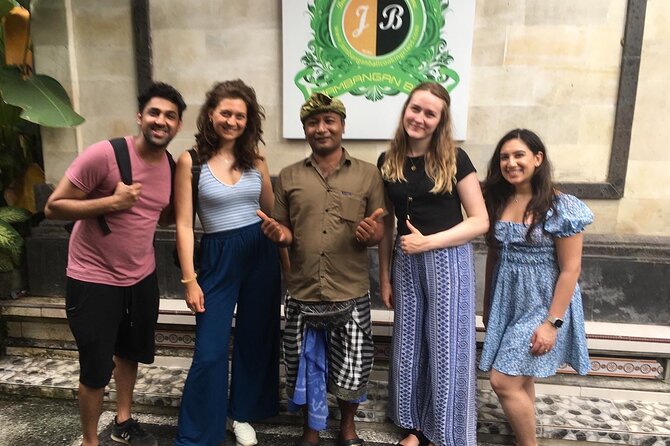
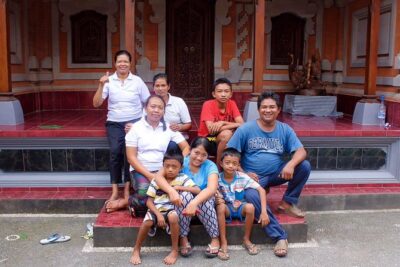
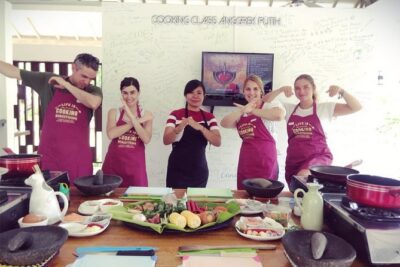
The cooking takes place in a Balinese home with an open kitchen and a garden dining area. You receive a look at the family compound and learn something about how the household is arranged and used.
This is the part that gives the class its human side. You are not just standing behind a counter in a commercial kitchen. You are welcomed into a family setting, where the hosts may show you parts of everyday life alongside the food lesson.
That intimacy is also why respectful behavior matters. You are entering a home, not a standard attraction. Listen when the family explains customs, follow instructions around offerings, and remember that photographs should be handled with care.
The family atmosphere has been one of the strongest features of the experience. Wayan and his relatives have been described as welcoming and generous with their time. Made and her cousin have also led classes, including an afternoon session where they taught several Indonesian dishes and adapted the menu for a participant with a chicken allergy.
The allergy example is useful, but you should still communicate all dietary needs when booking. The available information confirms that one class made an adjustment, not that every request can be guaranteed.
More Balinese cooking classes in Ubud:
- PRIVATE Balinese Cooking Class in Ubud with Dewa with Transfers
★ 5.0 · 213 reviews - Balinese Cooking class with traditional morning market visit
★ 5.0 · 161 reviews - PRIVATE Ubud Market Tour & Balinese Cooking Class with Putu
★ 5.0 · 125 reviews - Bali Cooking Class with Culture Experience
★ 5.0 · 78 reviews
Cook the recipes yourself, not just watch
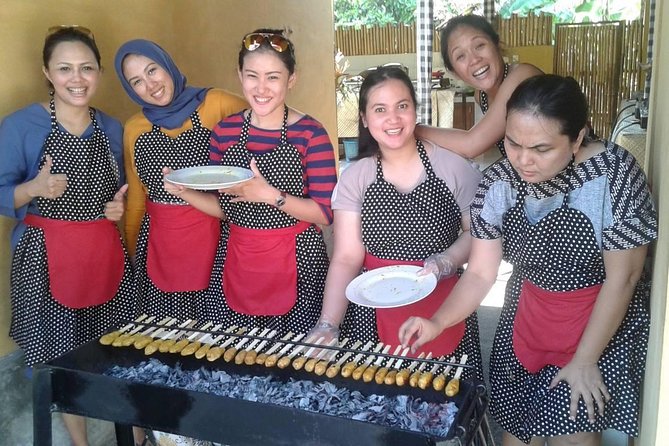
The cooking is hands-on. The recipes are prepared by you, with instruction from the Balinese cooks. That difference matters: you learn the rhythm of the dish, not only the list of ingredients.
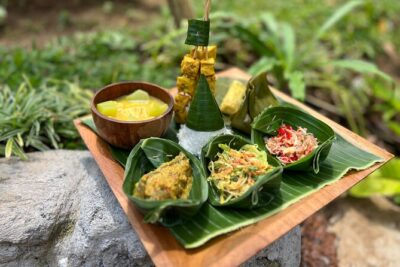
The menu can cover a substantial number of preparations. One session produced eight dishes, and the food was described as delicious and well organized from start to finish. The exact menu can vary, so you should not book expecting a particular dish unless the provider confirms it.
The class is a good fit if you enjoy asking questions and getting involved. You might be chopping, mixing, seasoning, or helping with several parts of the meal. It is less suitable if you want to sit back and watch a chef do everything.
At the end, you eat the food you made in the garden. Lunch is included, and this shared meal is more satisfying because you have followed each recipe from market ingredient to finished plate.
You also receive copies of the recipes in at least some sessions. That is a major value point. A cooking class becomes far more useful when you can repeat the food at home instead of relying on a fading memory of what the guide did with a mortar and pestle.
Add Balinese culture to the food lesson
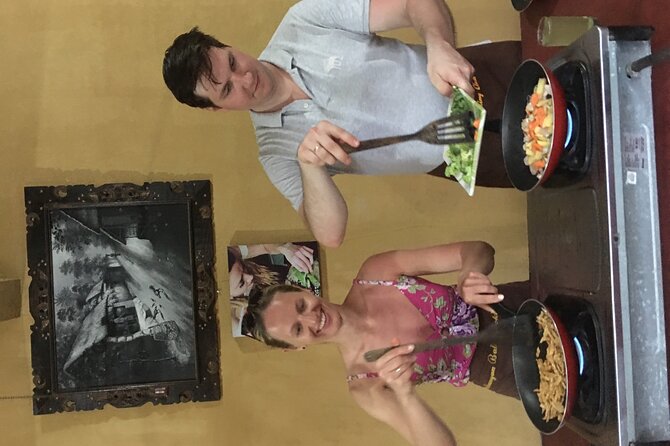
The class includes several traditional activities that give the day more depth.
You can experience coconut-oil processing, an old household skill that shows how food and useful products were made from materials grown nearby. You may also learn how to make a simple offering and witness the family’s daily household offering.
The offering is particularly worthwhile because it shows religion as part of ordinary home life. This is not a stage performance arranged only for visitors. It is a brief look at a daily Hindu practice within the household.
Music is part of the program too. You can try rindik, a Balinese instrument made from bamboo. The activity is simple and playful, and a short music lesson has been part of the morning experience with Putu.
These additions do not replace the cooking. They frame it. You leave with a better sense that Balinese cuisine is connected to family, ritual, farming, and shared work.
Lunch or dinner: choose with care
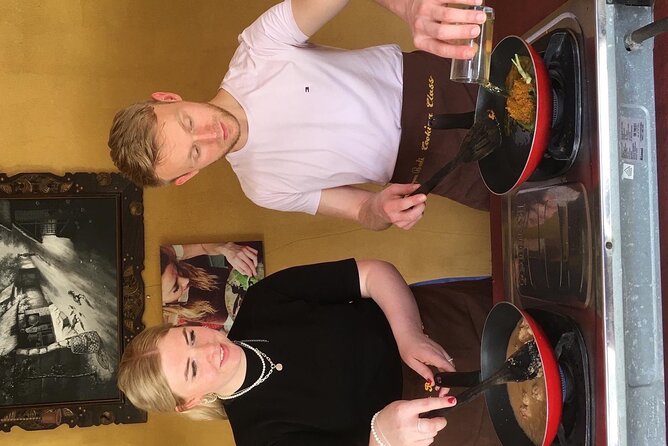
The experience lasts approximately five hours, and you can choose between a lunch or dinner class. Your choice affects the feel of the day.
The morning and lunch option is the best choice if you want the full market experience. You start early, visit the market while it is active, see the rice fields, and then continue to the family home for cooking and lunch.
The dinner option may suit your schedule better, especially if you have plans earlier in the day. But the traditional market may already be closed. The replacement can be a coffee plantation visit with coffee and tea samples, though this is not the same experience as shopping for cooking ingredients.
The afternoon class can also be a good compromise. One afternoon group visited a coffee plantation and rice paddies, then cooked at the family home. If you choose this time, confirm what stops are planned for your date.
Is $34 good value in Ubud?
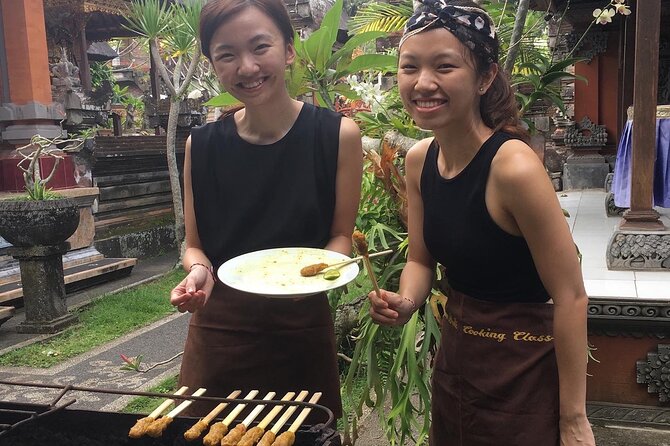
At about $34, this is a strong-value half-day activity. You are paying for roughly five hours of instruction and cultural contact, plus lunch, rather than only for a cooking demonstration.
The value comes from the number of pieces in the day:
- A traditional market visit on the morning schedule
- An introduction to rice farming and rural surroundings
- Time in a Balinese family home
- English-language cooking instruction
- A meal prepared by you
- Cultural activities such as offerings, coconut-oil processing, and rindik music
- Recipes to use at home in some sessions
A maximum of 15 people keeps the group from becoming enormous, though it is not a private class by default. If you want close individual help at every stage, ask about the group size for your date.
The price does not include alcohol. This is not much of a problem because the focus is on cooking and culture, but it is worth knowing if you expected drinks with the meal.
The listed meeting point is Warung JB Jambangan Bali. Some participants have received hotel pickup, but the confirmed meeting point is the safer assumption when planning transport. The location is near public transportation, yet you should allow time to reach Kelabang Moding from central Ubud.
Who should book this class?
I would recommend it to food lovers who want practical skills and to families looking for an activity that keeps children involved. The mix of cooking, music, market shopping, and household customs gives the day variety.
It also suits couples and small groups who want a more personal look at Balinese life. The family welcome is a major part of the appeal, and the home setting feels more intimate than eating at a restaurant.
You may want to skip it if you dislike hands-on food preparation, need a tightly timed sightseeing tour, or only have an evening available and specifically want the market. The class is also less predictable than a standard restaurant meal because the weather and local schedule can affect the day.
The activity requires good weather. If poor conditions force cancellation, you can receive a full refund or choose another date. You can cancel for a full refund up to 24 hours before the start time, but changes or cancellations inside that window are not accepted.
Should you book Jambangan Bali Cooking Class?
Yes, if you want your Ubud food experience to include people, place, and daily customs, not just finished dishes. The strongest choice is the morning class, when you have the best chance to visit the traditional market and follow the ingredients into the kitchen.
At $34, the combination of a full meal, several hours of instruction, cultural activities, and a family setting is hard to fault. Book with realistic expectations: the menu may vary, the group can reach 15 people, and evening schedules may replace the market with a coffee plantation visit.
For a first taste of Balinese cooking and home life, Jambangan offers plenty of substance for the price.
FAQ
Where does the Jambangan Bali Cooking Class meet?
The meeting point is Warung JB Jambangan Bali, Jl. Kelabang Moding No. 713, Kelabang Moding, Tegallalang, Kecamatan Ubud, Kabupaten Gianyar, Bali 80571, Indonesia.
How long does the cooking class last?
The experience lasts approximately five hours.
Is lunch included?
Yes. Lunch is included, and you eat the food prepared during the class in the garden.
Can I choose between lunch and dinner?
Yes. The experience offers a choice of lunch or dinner classes.
Does every class include a market visit?
The morning schedule includes a traditional market visit. The market may be closed for an evening class, in which case the schedule can include a coffee plantation visit instead.
Is the class taught in English?
Yes. The classes are conducted in English by Balinese chefs familiar with Balinese cuisine and culture.
What happens if bad weather cancels the activity?
You can choose a different date or receive a full refund if the activity is canceled because of poor weather.
More Workshops and Classes in Ubud
- Ubud Silver Class Jewelry making in bali
★ 5.0 · 978 reviews - Balinese Farm Cooking Class by Pemulan Bali
★ 5.0 · 410 reviews - Ubud Monkey Forest Silver Class – Craft Your Own Silver Jewelry
★ 5.0 · 254 reviews - Balinese Authentic Cooking Class in Ubud
★ 5.0 · 239 reviews
Newest reviews from Ubud
- Explore Rice Fields and Hidden Villages with Ubud E-Bike Tour★ 5.0 · 7 reviews
- Monkey Forest Ubud Half day Tour★ 4.0 · 7 reviews
- Private Tour: Heaven Gate Temple, Tirta Gangga and Blue Lagoon Snorkeling★ 5.0 · 7 reviews
- Ubud Monkey Forest Rice Terrace Temple Waterfall Private Tour★ 5.0 · 7 reviews
- UBUD : Temple and Waterfall All Inclusive Day Tour★ 5.0 · 7 reviews
- Bali – Silver Jewelry Making Class★ 5.0 · 7 reviews
- One way fast Boat between Padangbai and Gili Islands or Lombok★ 5.0 · 7 reviews
- Bali ATV Quad Bike and White Water Rafting – All Inclusive★ 5.0 · 7 reviews
Cooking Classes, compared.
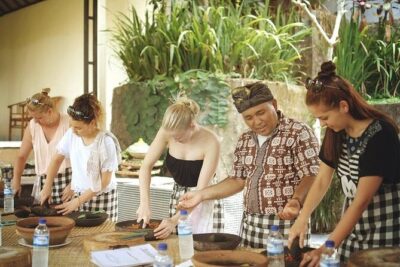
PRIVATE Authentic Balinese Cooking Class in Ubud at Putu’s Home
Read our review →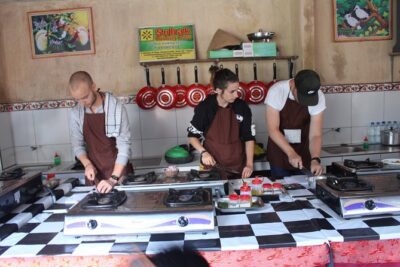
Balinese Ubud cooking school (9 Dish Cooking and Market Tour)
Read our review →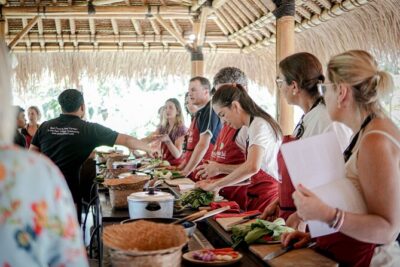

Learn to cook Indonesian food at Gili Cooking Classes Trawangan
Read our review →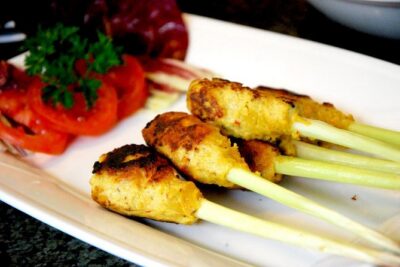
Browse the lists this tour appears in