
Reviewed · COOKING CLASSES
Balinese Cooking Class at Organic Farm
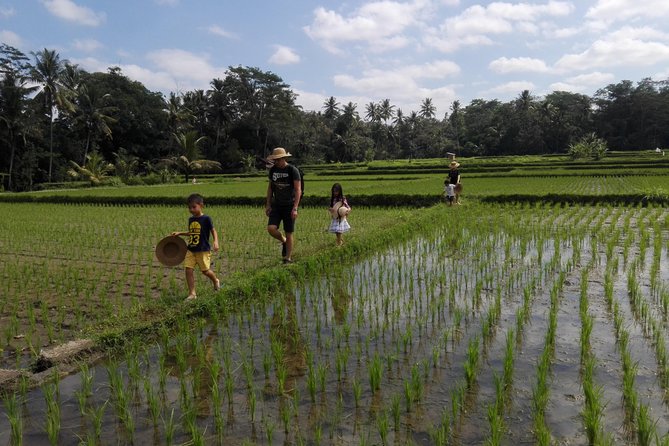
Food tells Bali’s story. This five-hour class at Mai Organic Farm combines a farm walk, hands-on cooking, and a shared meal in a quiet hut outside Ubud. I especially like picking ingredients straight from the garden and cooking with a traditional wood-fired stove, two details that make this feel like a community experience rather than a polished kitchen lesson. The main consideration is the rural setting: expect outdoor conditions, a possible weather change, and a meeting point outside central Ubud.
I also like the small-group format, the fresh drinks served through the morning, and the clear effort to support farmers in nearby Pejeng. The class costs $40 per person, which is good value if you want food, culture, transport, and lunch in one outing, though it may feel less worthwhile if you only want a quick recipe demonstration.
In This Review
- Key points to know before booking
- Starting with coconut, juice, and a farm welcome
- Walking the farm and learning about Bali’s subak system
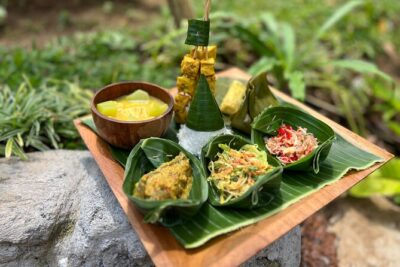
- Turning garden produce into six Balinese dishes
- Eating together in the gubuk
- Why the community purpose adds real value
- What the five-hour schedule means for your day
- Is $40 a fair price?
- The strongest parts of the experience
- Practical limits to keep in mind
- Who should book this cooking class?
- Should you book Mai Organic Farm?
- FAQ
- Where does the Balinese cooking class take place?
- How long does the experience last?
- Is pickup available from Ubud?
- How many dishes will I cook?
- What drinks are included?
- Will I visit the farm before cooking?
- How large is the group?
- Can I cancel for a full refund?
Key points to know before booking
- Harvest before you cook: You walk through Mai Organic Farm and collect many of the herbs, fruits, and vegetables used in the meal.
- Six Balinese dishes: The menu includes food such as tuna sate and corn fritters, with sate lilit kebab highlighted as a signature dish.
- Traditional cooking methods: Part of the meal is prepared on an outdoor grill and wood-fired stove.
- Small and active setting: The advertised group is capped at eight, while the additional details allow up to ten people, so confirm the final group size.
- A community-focused farm: Your booking helps support local farmers and villagers from Pejeng.
- Useful drinks and a full meal: Expect juice, infused water, herbal drinks, Balinese coffee, lemongrass tea, and the dishes you prepare.
Starting with coconut, juice, and a farm welcome
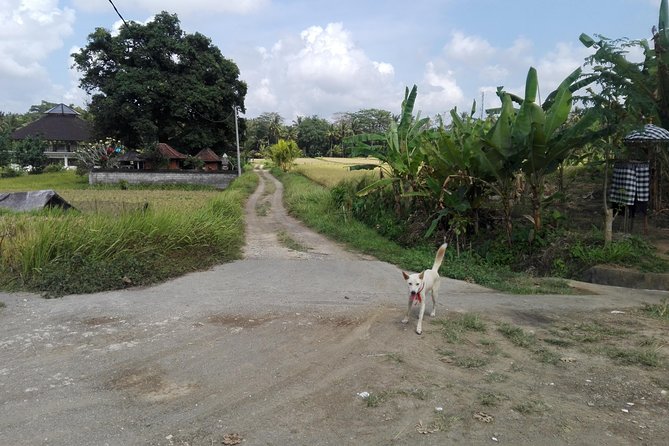
The experience begins at Mai Organic Farm in Pejeng, east of Ubud. If you arrange pickup, round-trip transfers are offered from central Ubud hotels and rentals. Otherwise, the meeting point is the farm itself at Subak Kana, Banjar Panglan, in the Tampaksiring area of Gianyar.
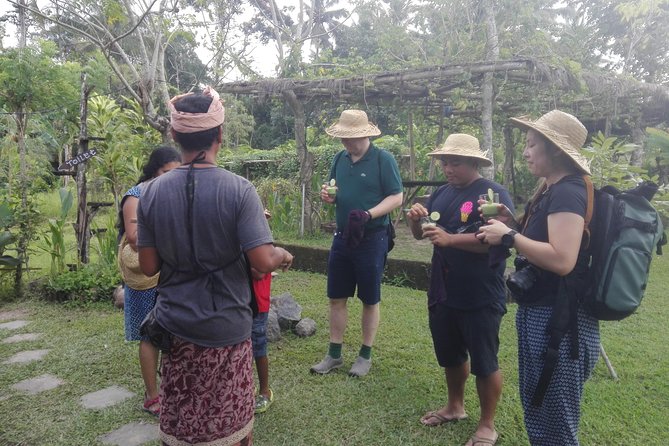
The welcome sets the tone. You receive a drink before settling into a shaded part of the farm, where the team explains its community movement and its approach to organic growing. Fresh coconut water is mentioned as one possible welcome, along with juices made from local fruit and vegetables later in the morning.
That opening matters because it gives you context before the cooking starts. You are not simply handed a basket of produce and told to chop. You learn why the farm exists, how local produce is grown, and how the class connects food with village income.
The setting is relaxed rather than formal. You can take part actively, or let the cooks guide you while you watch. That flexibility makes the class suitable for mixed groups, including families where younger children may want to pick ingredients but lose interest during longer preparation tasks.
More Cooking Classes in Ubud
- Ubud Cooking Class Bali with Balinese Chef
★ 5.0 · 1,609 reviews - PRIVATE Authentic Balinese Cooking Class in Ubud at Putu’s Home
★ 5.0 · 644 reviews - Balinese Ubud cooking school (9 Dish Cooking and Market Tour)
★ 5.0 · 540 reviews
Walking the farm and learning about Bali’s subak system
The farm walk is the part that gives this class its sense of place. You move through the community farm, see the crops, and collect ingredients for the meal. Along the way, you may taste fruit directly from the plant and smell spices before they reach the cooking area.
The staff also explain Bali’s subak system, the traditional cooperative approach to water management connected with rice farming. It is recognized by UNESCO, and learning about it here helps connect everyday agriculture with the wider culture of Bali.
This is useful background, not a long classroom lecture. You see how food begins in the soil, then carry that produce into the kitchen. I find that more memorable than hearing a guide list ingredients after everything has already been prepared.
The farm walk may be less appealing if you prefer a seated activity or have difficulty walking over uneven outdoor ground. The information provided does not give accessibility details, so you should ask the operator directly if that is important for your group.
Bring a hat, comfortable shoes, and clothes you do not mind wearing around a wood fire. The class requires good weather, and the farm portion is a central part of the experience rather than a minor extra.
Turning garden produce into six Balinese dishes
Once you reach the cooking center at Mai Organic Farm, you begin with a refreshing juice made from produce grown by local farms. Other drinks offered during the experience include infused water, herbal drinks, Balinese coffee, and lemongrass tea.
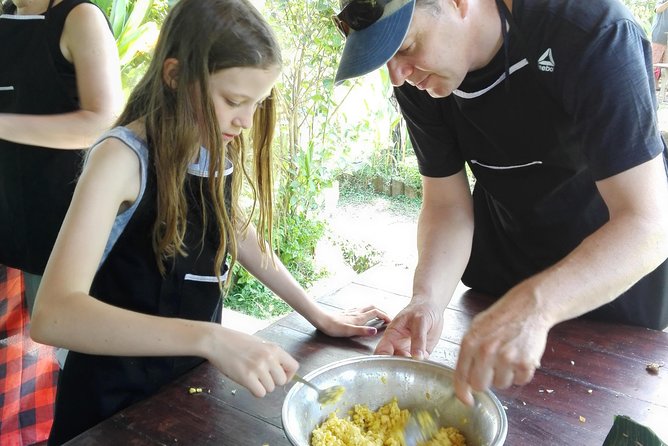
The exact six-dish menu can vary, but the examples given include tuna sate, corn fritters, and sate lilit. Sate lilit is especially interesting because the seasoned mixture is shaped around a skewer before cooking, rather than simply threading cubes of meat onto one. The result is a dish that shows off Balinese spice blends and cooking technique in a hands-on way.
You are involved in preparing the ingredients, sauces, and base components. That may include chopping, mixing, shaping, and cooking, though the precise tasks depend on the menu and the group. The class is designed so you can participate as much or as little as you like.
That is a practical advantage. If you already cook often, you can ask questions and take on more of the work. If you are new to Southeast Asian cooking, you can follow the demonstrations and join in without feeling pressured to keep up with a professional kitchen.
The use of a wood-fired stove and outdoor grill adds character, but it also means this is not a perfectly controlled cooking studio. Heat, smoke, and a slower pace are part of the experience. I would choose this class for its traditional feel, not for spotless counters or restaurant-style precision.
Eating together in the gubuk
After the cooking, you sit down to eat the meal in a tranquil gubuk, or hut, with the rest of the group. This shared lunch is the payoff for the morning’s work, but it is also where the social side of the class becomes strongest.
You have helped gather the produce, prepared the dishes, and watched them cook over fire. The food has a clear connection to the place where you are sitting. That makes the meal feel more personal than a standard restaurant stop.
The experience is especially well suited to couples, friends, and families. Two children, aged nine and six, were reported to have enjoyed both picking ingredients and cooking, while another family with girls aged twelve and thirteen found that the activity held everyone’s attention.
Still, children’s enjoyment will depend on their patience with walking and food preparation. There is no separate children’s program described, so young participants need to take part alongside the adults.
The group atmosphere is another reason the small capacity matters. The class is advertised for as few as eight people, although the additional information lists a maximum of ten. Either way, it is much more personal than a large demonstration where you watch from the back. Ask about the confirmed number if a very small group is important to you.
More Balinese cooking classes in Ubud:
- PRIVATE Balinese Cooking Class in Ubud with Dewa with Transfers
★ 5.0 · 213 reviews - Balinese Cooking class with traditional morning market visit
★ 5.0 · 161 reviews - Jambangan Bali Cooking Class
★ 5.0 · 142 reviews - PRIVATE Ubud Market Tour & Balinese Cooking Class with Putu
★ 5.0 · 125 reviews
Why the community purpose adds real value
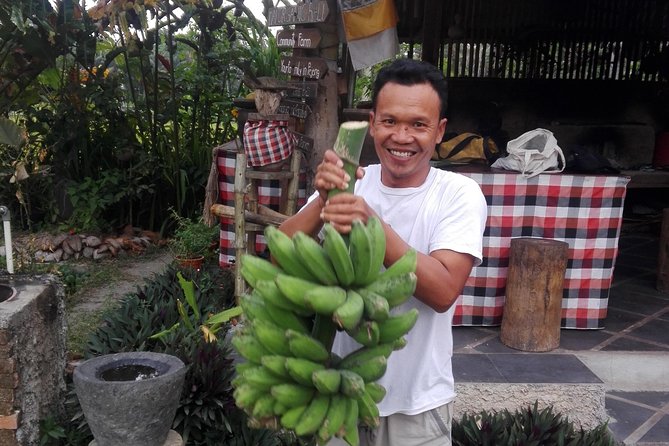
Mai Organic Farm is not presented as just a backdrop for cooking. Its purpose is to support local farmers from Pejeng and help improve income and resources for nearby villagers.
That gives the activity a useful local connection. Your fee helps support a community movement, while the class introduces you to the produce and farming practices behind the meal. The experience also promotes organic growing, which is part of the farm’s broader work.
I would not book this solely because of the community message. The class still needs to be enjoyable and well run. Here, the two sides fit together: you learn about the farm by walking it, then use its produce in the kitchen. The food is not an unrelated tourist add-on.
The no-plastic approach mentioned by one participant is another encouraging detail, though the supplied information does not provide a full environmental policy. It is best to view the class as a local farm activity with a community focus, rather than assume it solves every sustainability concern.
What the five-hour schedule means for your day
Plan on about five hours from start to finish. That includes the welcome, farm tour, ingredient gathering, cooking, drinks, and shared meal.
With central Ubud pickup offered, the morning is convenient if you are staying in the main town. The experience ends back at the meeting point, so confirm the exact pickup arrangement and allow time for the transfer to Pejeng.
The farm’s address is outside central Ubud, and the supplied details do not promise pickup from every hotel or area. If you are staying farther away, ask before booking rather than assuming transportation is included.
Five hours is long enough for the experience to feel substantial. You are not rushing through one recipe and leaving before lunch. At the same time, it takes a sizeable part of your day, so I would avoid scheduling another major Ubud activity immediately afterward.
The class is often booked well ahead, with an average booking time of 17 days before the date. That suggests you should reserve early during busy periods, especially if you need a particular day or want to coordinate a family schedule.
Is $40 a fair price?
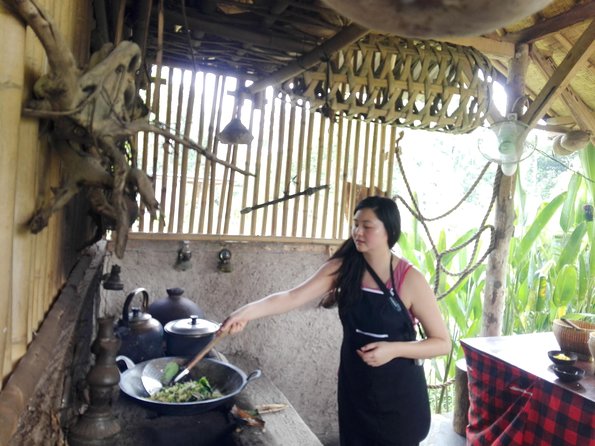
At $40 per person, the value is strong if you use the full experience. You receive a farm visit, local cultural explanation, ingredient gathering, instruction for six dishes, several drinks, a cooked meal, and pickup from eligible central Ubud accommodations.
A cheaper cooking lesson might teach you one or two dishes in a basic kitchen. A farm tour might not include lunch. Here, the price covers both activities and links them together.
The value is also better for people who want participation rather than a show. You are not paying only for a guide to cook in front of you. You help collect produce and prepare the food, with room to choose your level of involvement.
The price may be less attractive if you dislike group activities, already know Balinese cooking well, or want a short class focused on taking home recipes. One particularly useful touch is a recipe book provided at the end, according to one detailed account, but this is not listed as a formal inclusion, so you should not book solely on that expectation.
The strongest parts of the experience
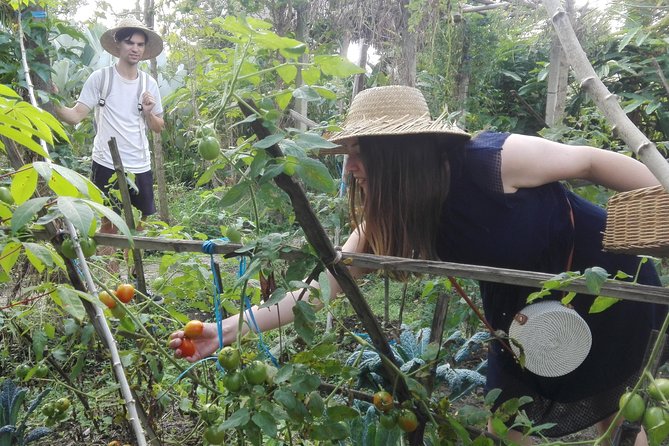
The most praised features are remarkably consistent. The hosts are warm and engaging, and the farm walk is not rushed or treated as filler. The chance to pick herbs, fruit, and vegetables, then turn them into lunch, is the heart of the day.
The cooking is described as fun and inclusive. You can work as part of a team, ask questions, and share the final dishes with new companions. The staff’s English is described as strong, which should help when following recipes and learning about farming.
The food itself receives high marks, especially because it is prepared from fresh farm produce and cooked in traditional ways. The outdoor grill and wood-fired stove give the meal a clear Balinese character.
The setting also gets attention. The kitchen and dining area are described as beautiful, while the gubuk provides a calm place to eat. This is a good choice if you want a break from Ubud’s traffic and busy streets.
One guide remembered as Korong was described as especially lively and informed, though the spelling of the name is uncertain. Kadek is also mentioned as someone who asked how the class could improve. That willingness to seek honest feedback suggests an attentive team, not a business simply repeating the same routine.
Practical limits to keep in mind
The class depends on the weather. If poor conditions force a cancellation, you can accept another date or receive a full refund. A full refund is also available if you cancel at least 24 hours before the start time. Cancellations or changes made less than 24 hours ahead are not accepted for a refund.
The outdoor format is central to the experience, so rain can affect more than transportation. It may change the farm walk, the wood fire, and how comfortably you eat outside.
The meeting point can also be confusing if you rely on a hotel pickup without confirming details. Keep the farm’s address available and make sure the operator has the correct accommodation or rental location.
Finally, the group limit needs clarification. The experience is promoted as capped at eight people, while the additional information says up to ten. That is not a major difference, but it matters if you are expecting a very intimate class.
Who should book this cooking class?
I would choose this for anyone who wants food connected to farming and local life. It suits first-time visitors to Bali, repeat visitors who want something beyond temples and markets, and families looking for an activity that adults and older children can share.
It is also a good pick for couples and friends who enjoy relaxed group experiences. The communal meal and shared preparation create easy conversation without forcing you into a formal cultural lecture.
You may want to skip it if you have limited mobility, dislike outdoor heat or smoke, or want a highly technical cooking course. The description does not provide a detailed accessibility plan or a fixed menu for every date, so ask questions before booking if either point matters.
Should you book Mai Organic Farm?
Yes, if you want a half-day activity that combines fresh produce, traditional cooking, and genuine community contact. The strongest reason to book is not the number of dishes. It is the complete chain from farm to table, with local hosts guiding you through every step.
At $40, the class offers good value, particularly with central Ubud pickup and a meal included. Book at least a couple of weeks ahead if possible, confirm your pickup location and the group size, and choose a day when you are comfortable spending time outdoors.
If that sounds like your kind of Bali, this is an easy class to recommend. You leave with a full stomach, new recipes, and a better sense of how food, farming, and village life connect.
FAQ
Where does the Balinese cooking class take place?
The class takes place at Mai Organic Farm Bali in Pejeng, at Subak Kana, Banjar Panglan, Tampaksiring, Gianyar, Bali.
How long does the experience last?
The experience lasts approximately five hours.
Is pickup available from Ubud?
Yes. Round-trip transfers are offered from central Ubud hotels and rentals. The activity ends back at the meeting point.
How many dishes will I cook?
You will prepare six Balinese dishes. Examples include tuna sate, corn fritters, and sate lilit kebab.
What drinks are included?
The experience includes juice, infused water, herbal drinks, Balinese coffee, and lemongrass tea. A fresh coconut is also mentioned as a possible welcome drink.
Will I visit the farm before cooking?
Yes. The experience begins with a welcome, followed by a walk around the community farm. You pick ingredients that will be used during the cooking class.
How large is the group?
The experience is advertised as capped at eight people, while the additional information lists a maximum of ten. Confirm the final group size when booking if this is important to you.
Can I cancel for a full refund?
Yes, if you cancel at least 24 hours before the experience start time. Changes or cancellations made less than 24 hours ahead are not refunded. If poor weather causes the operator to cancel, you can choose another date or receive a full refund.
More Workshops and Classes in Ubud
- Ubud Silver Class Jewelry making in bali
★ 5.0 · 978 reviews - Ubud Monkey Forest Silver Class – Craft Your Own Silver Jewelry
★ 5.0 · 254 reviews - Balinese Authentic Cooking Class in Ubud
★ 5.0 · 239 reviews - Canggu Scooter Lessons
★ 5.0 · 195 reviews
More Plantation Visits
- Balinese Farm Cooking Class by Pemulan Bali
★ 5.0 · 410 reviews - From Ubud: Authentic Bali Farm Cooking School & Organic Farm
★ 5.0 · 122 reviews - Small-Group Farm Tour & Balinese Cooking Class in Ubud with Kadek
★ 5.0 · 16 reviews - Yogyakarta Cycling Tour Around the Villages and Fish Farm
★ 5.0 · 16 reviews
Newest reviews from Ubud
- Explore Rice Fields and Hidden Villages with Ubud E-Bike Tour★ 5.0 · 7 reviews
- Monkey Forest Ubud Half day Tour★ 4.0 · 7 reviews
- Private Tour: Heaven Gate Temple, Tirta Gangga and Blue Lagoon Snorkeling★ 5.0 · 7 reviews
- Ubud Monkey Forest Rice Terrace Temple Waterfall Private Tour★ 5.0 · 7 reviews
- UBUD : Temple and Waterfall All Inclusive Day Tour★ 5.0 · 7 reviews
- Bali – Silver Jewelry Making Class★ 5.0 · 7 reviews
- One way fast Boat between Padangbai and Gili Islands or Lombok★ 5.0 · 7 reviews
- Bali ATV Quad Bike and White Water Rafting – All Inclusive★ 5.0 · 7 reviews
Cooking Classes, compared.

PRIVATE Authentic Balinese Cooking Class in Ubud at Putu’s Home
Read our review →
Balinese Ubud cooking school (9 Dish Cooking and Market Tour)
Read our review →

Learn to cook Indonesian food at Gili Cooking Classes Trawangan
Read our review →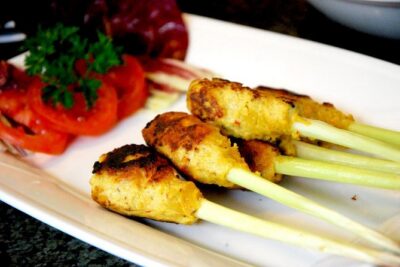
Browse the lists this tour appears in